Trump Pulls Endorsement of Colorado Republican Rep. Jeff Hurd, Citing Tariff Policy Split; Backs Challenger Hope Scheppelman
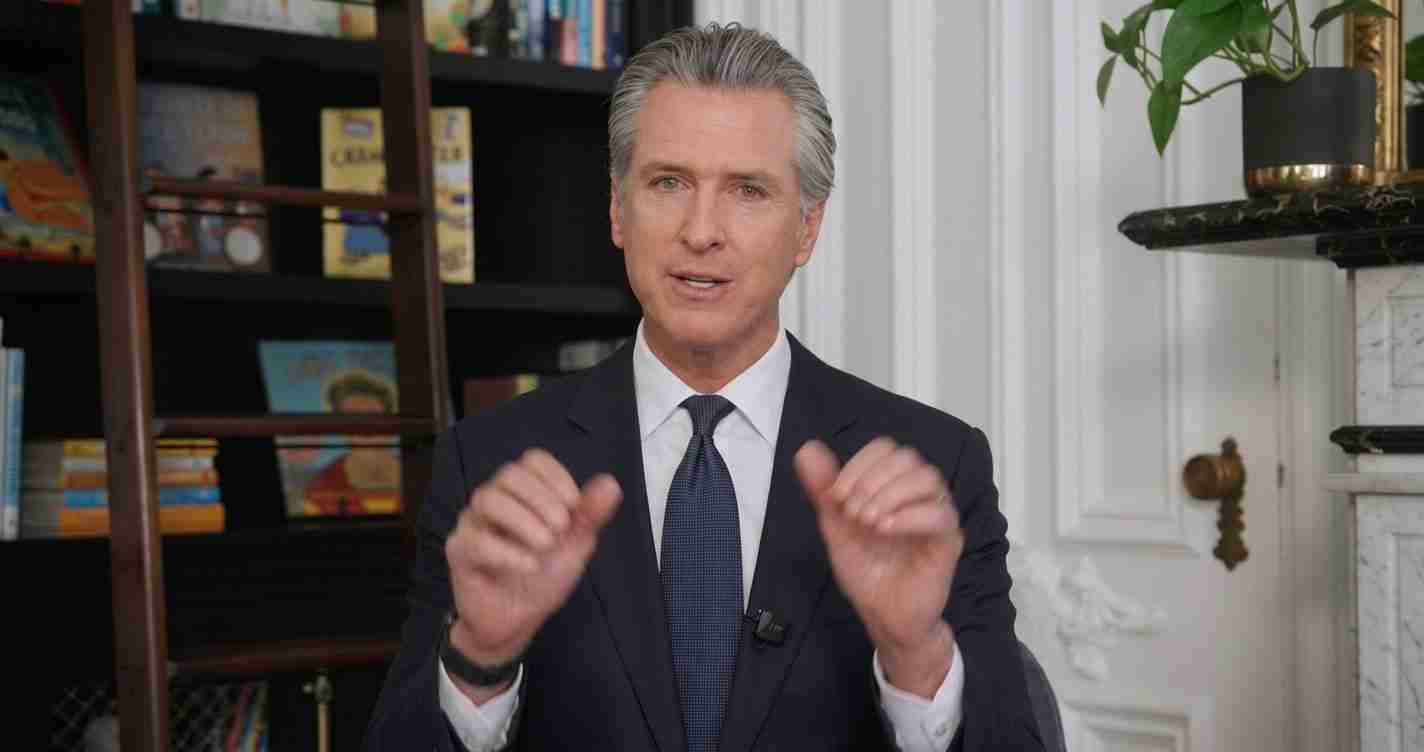
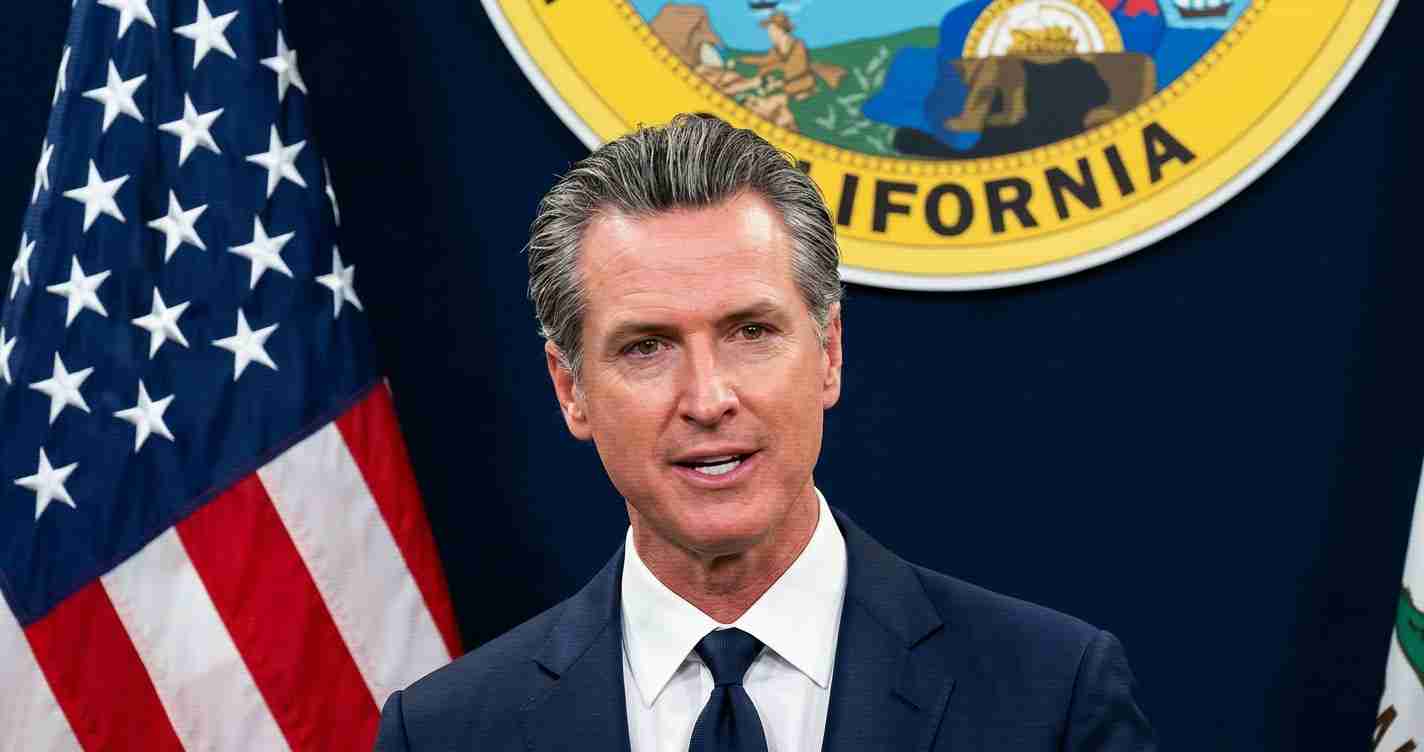
President Donald Trump withdrew his endorsement of Rep. Jeff Hurd (R-Colo.), accusing him of failing to support Trump’s tariff policies, and instead endorsed challenger Hope Scheppelman — intensifying a Republican fight over trade and loyalty in Colorado’s 3rd District.
- Trump rescinded his endorsement on Truth Social, labeling Hurd a “RINO” and endorsing Hope Scheppelman as a reliable supporter of “America First” tariffs.
- Hurd invoked constitutional limits after a Supreme Court ruling narrowed presidential tariff authority under the IEEPA and urged congressional action on major trade moves.
- Trump plans alternate tariff authority under Section 122 of the Trade Act of 1974 and has threatened to target primary opponents of his tariff agenda.
- National and local stakes: the dispute spotlights trade policy, legal authority, and how loyalty tests shape GOP primaries, with local economic implications for districts like Colorado’s 3rd and regions such as Fresno, California.
Trump’s announcement and message
On Truth Social, President Trump wrote he was “WITHDRAWING my Endorsement of RINO Congressman Jeff Hurd, of Colorado’s 3rd District,” saying Hurd had “let me and our Country down.” Trump praised Hope Scheppelman as a “Highly Respected Patriot”, a U.S. Navy veteran and critical care nurse practitioner who supports “America First Policies” and “will never let you down.” He also hailed tariffs as “unbelievably successful” for making America “Richer, Stronger, Bigger, and Better.” (Sources: Washington Examiner, Fox News)
This public withdrawal is rare — reports note it is only the second time Trump has publicly rescinded an endorsement of a sitting Republican (the other being Rep. Mo Brooks of Alabama in 2022) — underscoring how trade policy and loyalty remain potent in GOP primaries. (Source: Mediaite)
Hurd’s response and constitutional argument
Rep. Jeff Hurd said the Supreme Court had “clarified the scope of IEEPA, and that clarification matters.” He emphasized Article I’s assignment of tariff and trade authority to Congress and argued that “major trade decisions should rest on clear statutory authority, not expansive emergency interpretations.”
Hurd added that while he shares broader trade goals with the president, “strong trade enforcement must be grounded in durable legal footing,” and if tariffs are necessary, “Congress should debate them and vote on them directly.” His stance follows votes and statements — including support for H.J.Res.72 that rolled back some tariffs on Canada — that critics say put him at odds with Trump’s tariff strategy. (Sources: Fox News, Washington Examiner)
Supreme Court decision and the law at issue
The immediate trigger was a 6-3 Supreme Court ruling that limited the president’s ability to impose certain tariffs under the International Emergency Economic Powers Act (IEEPA). The decision curtailed planned “Liberation Day” levies set to begin in April 2025 and narrowed the emergency powers the White House had relied upon for trade actions. Trump called the ruling “ridiculous, poorly written, and extraordinarily anti-American.” (Sources: Washington Examiner, Fox News)
In response, Trump said he would pursue authority under Section 122 of the Trade Act of 1974 to impose a worldwide tariff — initially proposing 10% and then announcing plans to raise it to 15% — and warned he would punish Republicans who oppose his tariff plans in primaries. (Source: Washington Examiner)
Hope Scheppelman and the primary dynamics
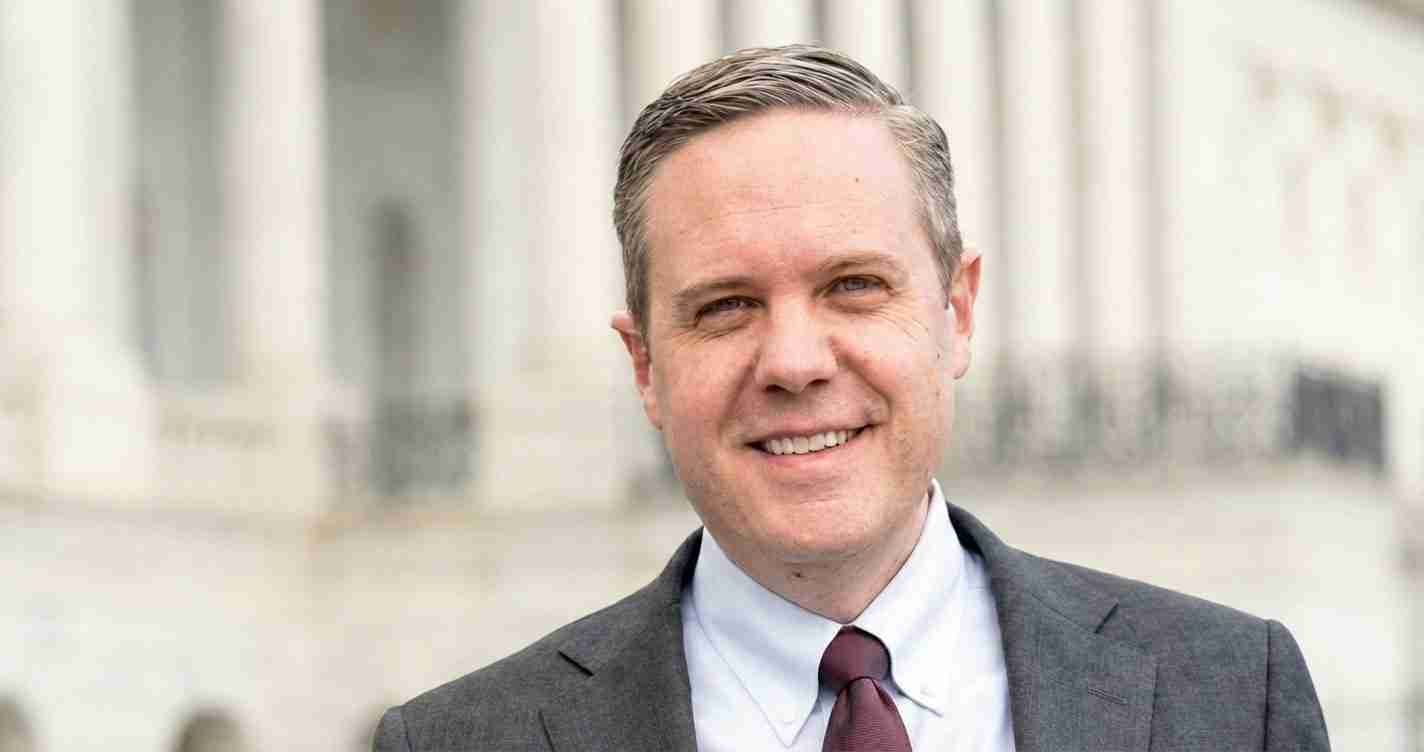
Hope Scheppelman is a U.S. Navy veteran, critical care nurse practitioner, and former vice chairwoman of the Colorado Republican Party. She is running as a staunch Trump ally who supports aggressive trade enforcement and “America First” policies. Trump’s endorsement aims to boost her primary bid and signal that loyalty to his tariff program is a litmus test for some GOP voters. (Sources: Washington Examiner, Fox News, Mediaite)
Why this matters nationally and in Colorado’s 3rd District
The rupture highlights an intra-party struggle over whether Republicans should back presidential unilateral tariff moves or insist Congress take primary responsibility for trade policy. Hurd’s appeal to Article I frames tariffs as congressional business, while supporters of Trump’s approach argue swift executive action counters foreign trade abuses and protects American workers. The debate has legal, economic, and political dimensions that could reshape GOP primaries and representation for sectors like agriculture, energy, and mining in Colorado’s 3rd District. (Sources: Fox News, Washington Examiner)
Implications for Fresno, California
- Economic impact: Fresno’s agriculture and food-processing economy could face higher input costs, disrupted export markets, and potential retaliatory barriers if worldwide tariffs rise — affecting commodity prices and supply chains. (Sources: Washington Examiner, Fox News)
- Political consequences: Fresno voters are mixed and pragmatic; national GOP fights like this can push local candidates to clarify trade positions and influence donor and party alignments. (Sources: Mediaite, Washington Examiner)
- Social effects: Farmworker communities and small agricultural towns may see shifts in labor demand and seasonal employment if trade uncertainty disrupts exports or input costs. (Sources: Washington Examiner, Fox News)
- Cultural relevance: Hurd’s constitutional argument may resonate with moderates who favor checks and balances, while appeals to economic nationalism may attract voters prioritizing domestic industry protection. (Sources: Fox News, Washington Examiner)
- Practical applications: Local officials and business groups should monitor tariff developments closely; agricultural associations, exporters, and chambers may need to brief members on supply, cost, and market risks. (Sources: Washington Examiner, Mediaite)
Sources
Original reporting and sources referenced in this article: