The Roman Catholic Diocese of Fresno files for Chapter 11 protection to address over 150 clergy sexual abuse claims, drawing criticism from survivors and legal experts
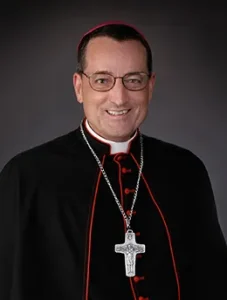 Joseph Vincent Brennan / Diocese of Fresno bankruptcy (Courtesy California Catholic Daily)
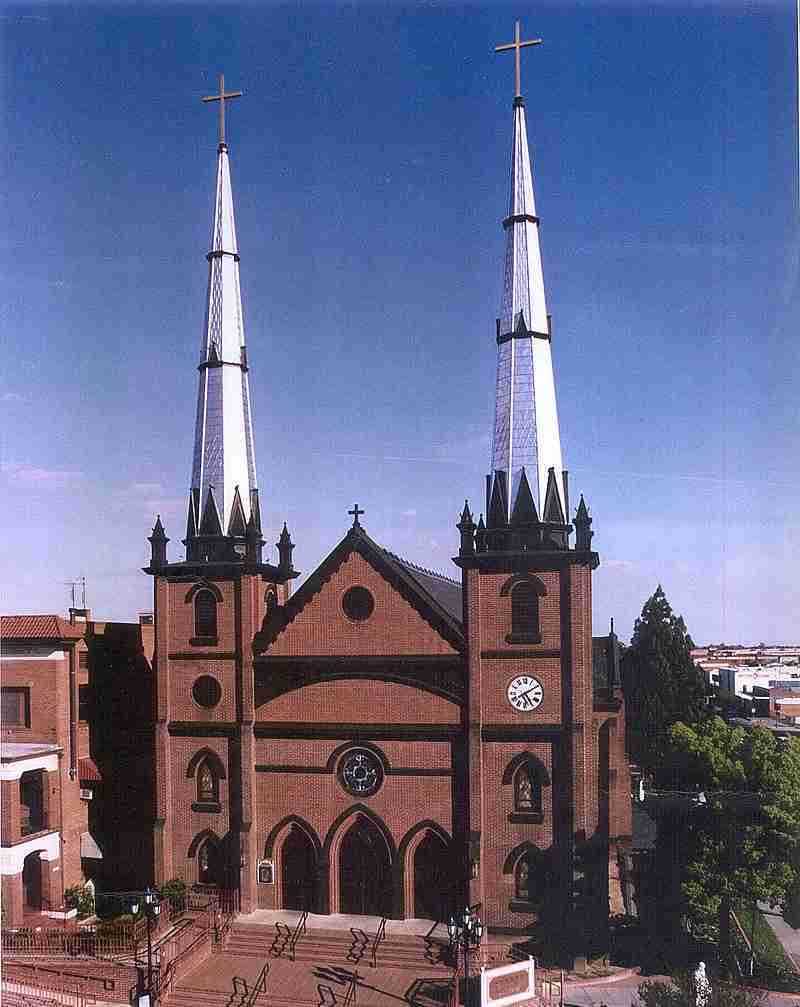
Fresno, California (Times Media Service) – The Diocese of Fresno bankruptcy filing on July 1, 2025 marks a pivotal moment as Church leaders seek Chapter 11 protection to manage more than 150 clergy sexual abuse claims. Advocates and survivors decry the move as a delay tactic, while Bishop Joseph Brennan frames it as a necessary step toward compassionate redress and continued ministry.
Diocese of Fresno Bankruptcy Filing Details
The Diocese of Fresno officially petitioned for Chapter 11 bankruptcy in U.S. Bankruptcy Court on July 1, 2025. Facing potential insolvency from hundreds of litigation costs, the diocese chose reorganization under Chapter 11 to consolidate claims, negotiate settlements, and maintain its ministries. This voluntary filing follows an initial announcement of intent in May 2024, when diocesan officials first signaled that legal pressures could threaten their financial stability.
Bankruptcy under Chapter 11 allows the diocese to continue day-to-day operations—such as parish services, schools, and charitable programs—while major financial decisions receive court oversight. The process will establish a creditors’ committee, including survivor representatives, to ensure claims are addressed equitably. Parishioners have been urged to remain prayerful and patient as legal proceedings unfold.
Scope of Abuse Claims
Since the California Child Victims Act opened a three-year window for historic claims, more than 150 survivors have filed lawsuits alleging sexual abuse by clergy dating back decades. Many of the accused priests served in rural and urban parishes across Fresno, Madera, Merced, Kern, Kings, Tulare, Mariposa, and Inyo counties. Over 50 clergy members were publicly named in 2021 as credibly accused; some claims involve incidents from the 1940s through the 1980s.
Survivors’ attorneys say the volume of claims reflects only a portion of unreported cases, as the Child Victims Act allowed time-barred allegations to be heard. Awards in similar diocesan bankruptcies in Northern California have ranged widely, underscoring the uncertainty survivors face. The diocese’s forthcoming restructuring plan must balance fair compensation with preserving enough resources to serve its one-million parishioners.
Bishop’s Statement and Diocese Operations
In a letter to the faithful, Bishop Joseph Brennan described the bankruptcy as part of a “journey of conversion through contrition,” acknowledging institutional failings while pledging continued pastoral care. He emphasized that Chapter 11 protection will secure the diocese’s future ministries, including education, homelessness outreach, and migrant support programs.
Brennan reassured parishioners that routine Masses, sacraments, and charitable services will proceed uninterrupted under court supervision. He invited dialogue and prayerful solidarity, asking the community to focus on healing victims rather than financial woes. Diocesan leadership has also launched a dedicated webpage to keep all stakeholders informed of legal updates and survivor resources.
Legal Challenges and Criticism
While diocesan officials frame bankruptcy as equitable, some legal experts and survivors argue it delays accountability. Plaintiffs’ co-liaison counsel filed a motion on June 30 to investigate whether the diocese misled courts by postponing the filing for 14 months after announcing its intent. He warns that delays can shield assets and limit survivors’ ability to pursue full discovery in civil court.
Attorneys for claimants caution that bankruptcy proceedings often drag on, adding years before victims see settlements. Under Chapter 11, many discovery processes become more limited compared to open civil trials, raising fears that the full extent of abuse may never be publicly revealed. Critics urge transparency and swift resolution to avoid retraumatizing survivors.
Impact on Fresno Community
The bankruptcy will have ripple effects across Fresno and the San Joaquin Valley. Local parishes may face tighter budgets as insurers and creditors assert claims over diocesan funds. Community programs—especially those serving low-income families—could see reduced grants or delayed expansions. Yet many hope that a structured settlement fund will bring closure to survivors, fostering renewed trust in the Church’s commitment to justice.
Civic leaders stress the diocese’s role as a major social service provider; any financial strain could widen gaps in food assistance, tutoring programs, and healthcare clinics. Nonprofit partners are monitoring the proceedings, ready to step in if certain services are curtailed. Meanwhile, supporters organize prayer vigils and listening sessions to foster dialogue between survivors, clergy, and the broader community.
Reaction from Survivors and Attorneys
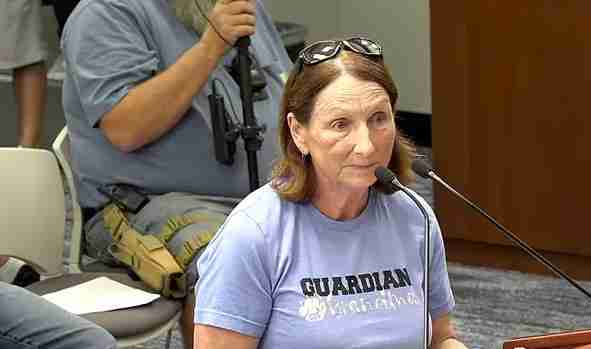
Survivor groups expressed deep frustration, viewing the Diocese of Fresno bankruptcy as a continuation of institutional delay rather than a step toward healing. “We’ve waited decades for acknowledgement,” said one survivor advocate. Attorneys for claimants vow to rigorously contest any plan that limits compensation or restricts evidence disclosure.
Conversely, some survivors welcome the centralized process, believing it may expedite payouts compared to protracted civil trials. They call on the court-appointed creditors’ committee to include survivor voices at every negotiation table. Local support networks are forming to guide victims through the bankruptcy system, offering legal referrals, counseling, and peer support.
Abagail Shields / Religion Contributor (Times Media Service)
As a historian and scholar of world religions, Abagail possesses a deep understanding of the rich diversity of faiths found across countries on every continent.
ashields@timesmediaservice.com