MADISON, Wis., Aug. 14 (Nationwide Times) — Augmental’s MouthPad is a custom-fitted device that lets users control phones, tablets and computers without using their hands. The $1,400 mouthpiece uses a touchpad placed against the roof of the mouth, along with head tracking, to move a cursor and perform common computer actions.
Augmental began public sales in the United States on July 22, 2026, after an Early Access program that began in 2024, according to a company announcement distributed through PRNewswire. The company says it currently sells and ships the device only to U.S. addresses.
How the MouthPad works
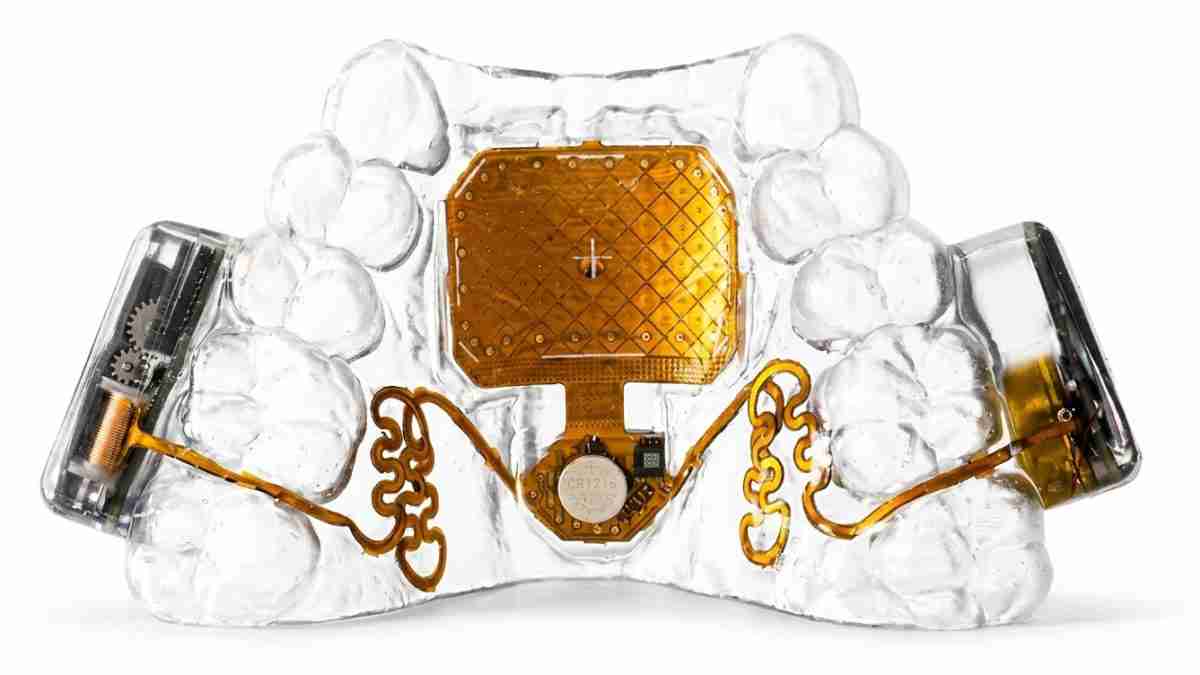
The device is fitted to an individual user through an intraoral or dental 3D scan. It is then manufactured in a shape designed to fit that person’s mouth, Augmental says.
A pressure-sensitive touchpad rests against the palate, or roof of the mouth. Tongue movements can move the cursor, while tongue presses can be assigned to actions such as a left click or click-and-drag. Augmental also describes a sip gesture for a right click.
Head movements provide another form of control. Together, the tongue and head inputs can be used for scrolling, dragging, swiping and other cursor actions, according to Augmental and MIT News.
The MouthPad connects through Bluetooth. Augmental says it works with macOS, Windows, Linux, iOS and Android, allowing it to control computers and mobile devices that support the connection.
Who it is designed for
Augmental says the product is intended to give people with limited mobility another way to interact with everyday technology. MIT News described the company’s work as focused on technology for people with movement impairments.
The company says users should be over 18 and have enough tongue dexterity to operate the device. That means the MouthPad is not a universal replacement for a mouse, keyboard or touchscreen; its usefulness depends on a person’s physical abilities and ability to adapt to the controls.
The supplied information does not include independent testing of the MouthPad’s accuracy, comfort, effect on speech or accessibility benefits. It also does not establish whether the device has received regulatory clearance or what health and safety testing has been performed.
Cost, fitting and availability
Augmental lists one MouthPad at $1,400. Two devices for the same user cost $1,900, according to the company’s website.
The required dental or intraoral scan is separate. Augmental says delivery takes about six months after it receives the scan. The company has also said scans generally cost between $50 and $150, depending on the provider.
Although sales and shipping are limited to U.S. addresses, Augmental says the device is not geo-restricted and can be used outside the United States. The company has not announced broader shipping in the information supplied for this article.
The price and custom manufacturing make the MouthPad a specialized accessibility device rather than a low-cost consumer accessory. Its central change is not that it adds another way to move a cursor, but that it moves basic computer control into the mouth for people who cannot reliably use their hands.