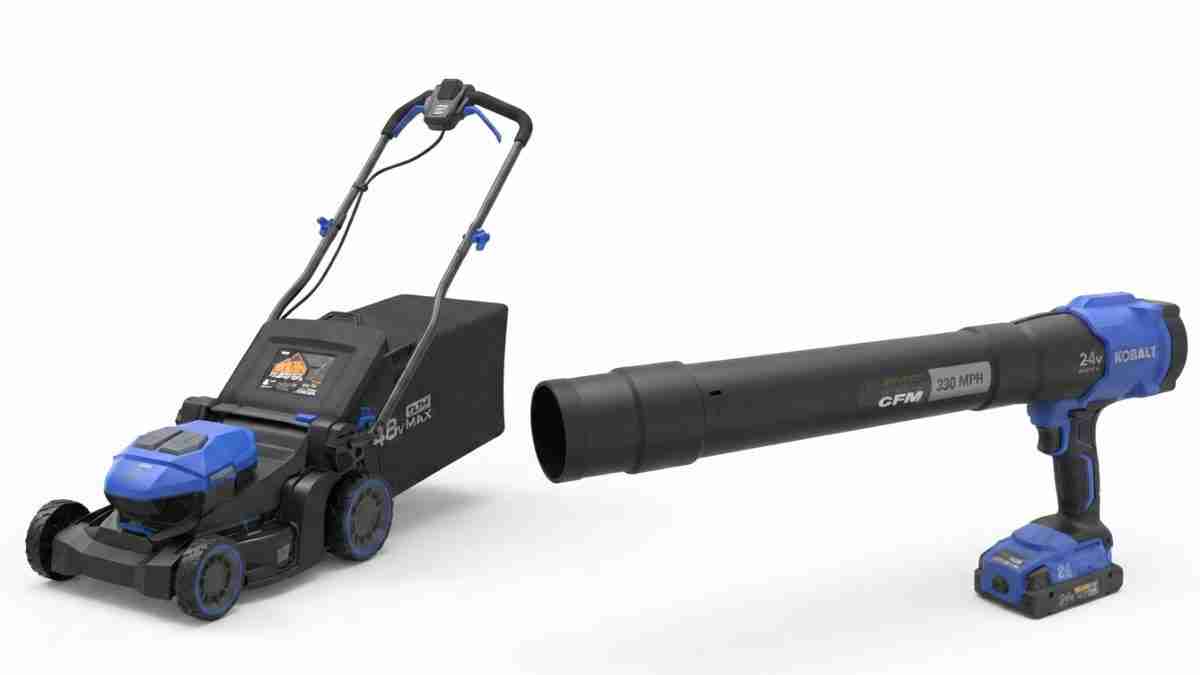
MOORESVILLE, N.C., July 11 (Nationwide Times) — The U.S. Consumer Product Safety Commission has recalled about 554,780 Kobalt 24V and 48V yard power tools because their USB-C rechargeable lithium-ion batteries can short-circuit and catch fire if they are charged through the USB-C port while still inserted in the tool.
The recall affects a wide range of Kobalt outdoor tools sold at Lowe’s stores nationwide and on Lowes.com, including string trimmers, leaf blowers, lawn mowers, chainsaws, pruning saws, power cleaners and bristle brush kits.
What is the hazard?
According to the CPSC, charging the recalled batteries through the USB-C port while the batteries remain in the yard tool can cause the battery to short-circuit. That creates a fire hazard.
Greenworks North America LLC, doing business as Greenworks Tools of Mooresville, North Carolina, imported the recalled products. The tools were manufactured in China and Vietnam.
Which batteries are included?
The recalled batteries came in 3.0Ah, 4.0Ah, 5.0Ah, 6.0Ah and 8.0Ah sizes. Each affected battery has a USB-C charging port.
The CPSC said the products were sold from January 2026 through May 2026.
How many problems have been reported?
Greenworks Tools told the CPSC it had received 34 reports of batteries smoking, sparking or catching fire while the battery was inserted in a tool and charged through the USB-C port.
No injuries or property damage had been reported in the sources supplied with the recall notice.
What should owners do?
The CPSC says consumers should stop charging the batteries through the USB-C port while the batteries are inserted in the yard tools.
Greenworks Tools is offering a free replacement battery without a USB-C port, along with a charger adapter, updated product manual, warning label and prepaid shipping label so owners can return the recalled battery.
The recall is listed by the CPSC under recall number 26-611.
Why does this recall matter?
Lithium-ion batteries power many cordless tools, but they can become dangerous if they overheat or short-circuit. In this case, the key problem is not the tool itself working incorrectly. It is the charging method: plugging the USB-C battery into power while it stays inside the tool.
For owners, that means the safest move is to stop using the USB-C charging setup described in the recall and follow the company’s replacement instructions.