Major Southern California hospice fraud bust nets 8 arrests in “Operation Never Say Die,” officials say
In a major crackdown, the U.S. Department of Justice launched “Operation Never Say Die” on April 2, 2026, resulting in eight arrests in Southern California tied to alleged sham hospices and other healthcare fraud that cost Medicare over $50 million.
Key takeaways
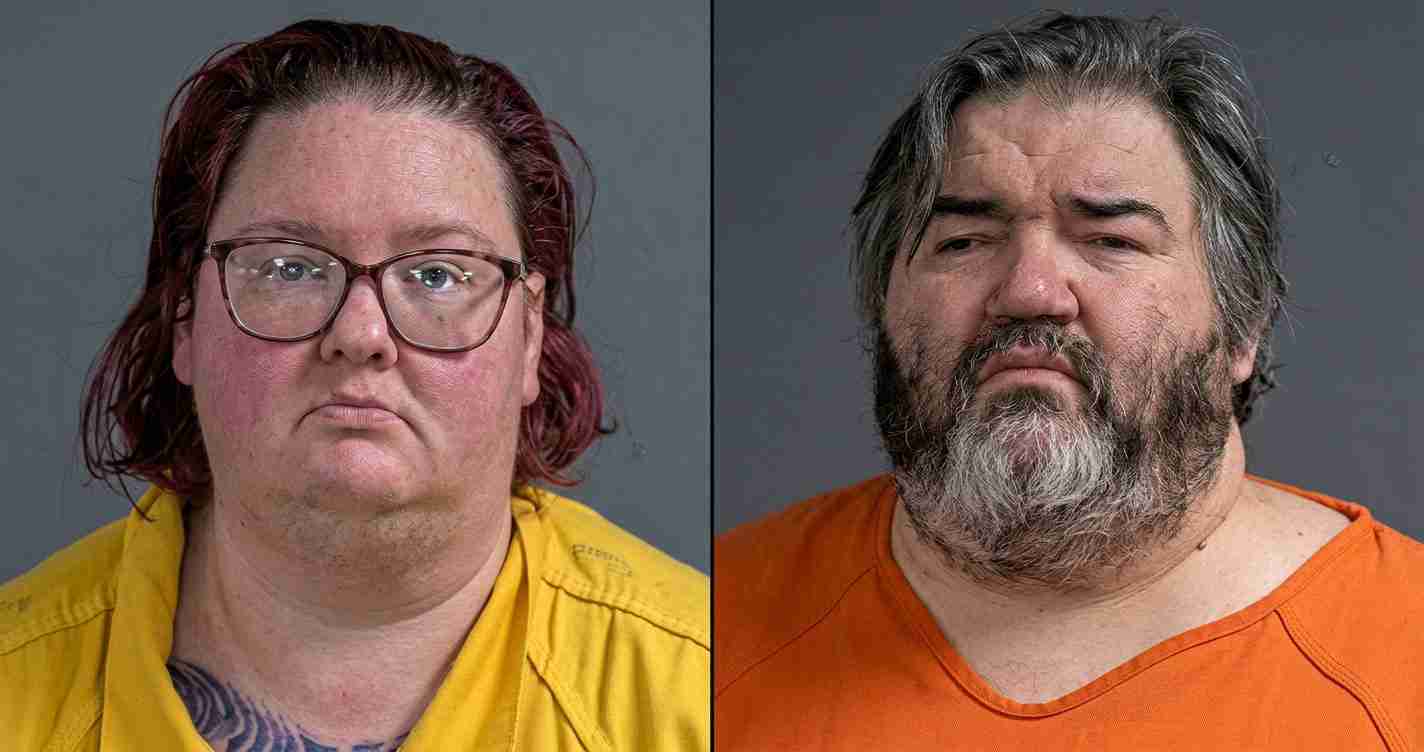
- Eight arrested: Federal authorities arrested eight people April 2 as part of a multiagency takedown; charging documents name 15 total defendants.
- Massive alleged losses: Prosecutors say the schemes caused more than $50 million — possibly approaching $60 million — in losses to Medicare and private insurers.
- Sham hospices and billing schemes: The operation targeted sham hospice businesses, chiropractic/therapy billing fraud, kickbacks, forged forms and “license flipping.”
- Broad enforcement ahead: Officials signaled statewide and national hospice reviews by CMS and continued audits and suspensions of providers.
What happened
On April 2, 2026, federal agents executed coordinated searches and arrests across Southern California — including in Covina, Glendale, Anaheim, Lakewood and Carson — as part of Operation Never Say Die. Authorities said the investigation targeted sham hospice businesses and related schemes that billed Medicare and private insurers for care that was not needed or not provided.
What federal officials described at the press conference
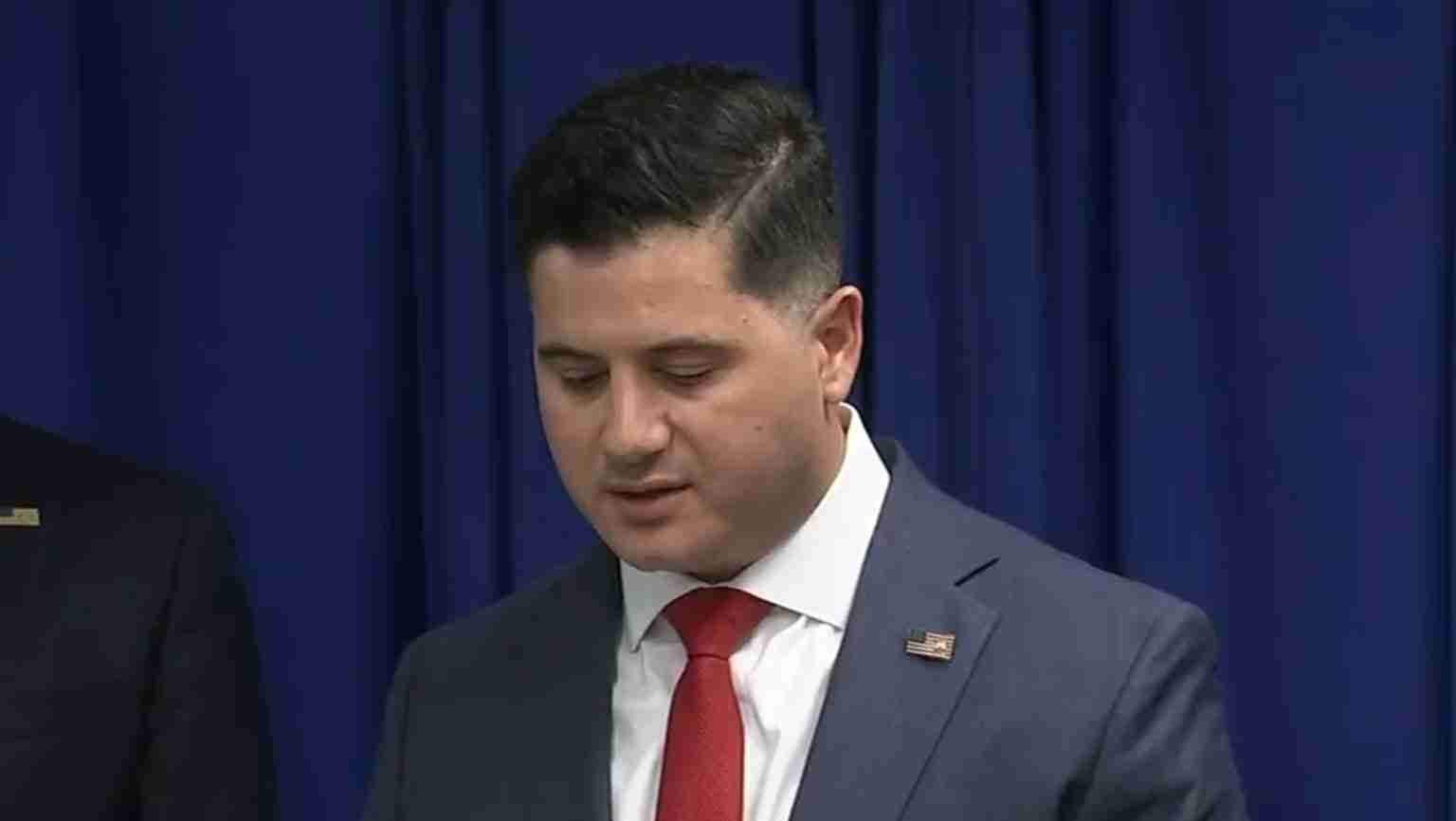
First Assistant U.S. Attorney Bill Essayli led a briefing with the FBI, HHS and the Centers for Medicare & Medicaid Services. Essayli described parts of the region as a “kingdom of fraud” and warned defendants could face up to 10 years for health-care fraud and 20 years for wire fraud.
“We will pursue aggressive enforcement,” Essayli said, outlining coordinated search warrants, arrests and efforts to recover taxpayer funds.
CMS Director Dr. Mehmet Oz framed the operation as part of a larger push to root out hospice fraud, saying CMS will review every hospice in California and may order moratoria on certain equipment tied to suspicious billing. Oz pointed to abnormal survival-rate statistics as one red flag and suggested many providers in Los Angeles County show indicators of fraud.
See the U.S. Department of Justice press release and the DOJ press conference video excerpt for official remarks and details.
How the fraud allegedly worked
Prosecutors described multiple schemes used to extract payments from Medicare and private insurers:
- Sham hospice enrollments: Hospices allegedly recruited beneficiaries who were not terminally ill and paid them to pose as patients, then billed Medicare for hospice care that was never needed or provided.
- Chiropractic and therapy billing fraud: Some schemes billed more than $19 million to private insurers for chiropractic and physical therapy services, according to investigators.
- Kickbacks, forged forms and license flipping: Officials allege illegal kickbacks, forged immigration-related medical forms and quick transfers of hospice licenses to hide operations, with clusters of suspicious licenses in small areas.
For reporting on these allegations, see Fox 11 Los Angeles reporting and ABC7 Los Angeles reporting.
Notable defendants and local details
Among those arrested were a Covina couple — Gladwin Gill, a 66‑year‑old psychologist, and his wife Amelou Gill, a registered nurse — whom prosecutors say ran a Glendale hospice that submitted more than $5.2 million in claims and collected more than $4 million from Medicare. Their attorney has denied the allegations and said the defendants look forward to their day in court.
Authorities also charged nurses, a chiropractor and individuals alleged to be tied to green‑card related fraud. Charging documents name 15 total defendants; some are being sought or face extradition from states such as Idaho and Washington.
Evidence, audits and the data claim
CMS officials cited survival statistics and billing patterns as evidence that prompted wider reviews. Dr. Oz said hospices with unusually high survival rates for patients certified to have six months or less to live are a warning sign. His comments drew pushback after a viral video showed him near a local bakery; officials clarified none of the arrested defendants are connected to that business or the video.
Officials emphasized that data-driven audits, license reviews and payment-suspension tools were used to identify suspicious clusters of providers.
Enforcement sweep and broader pattern
The takedown is part of an ongoing, multiagency anti-fraud initiative. Federal agents executed coordinated search and arrest warrants across several cities and reported a sharp increase in suspended providers — officials cited 221 Los Angeles providers suspended, up from roughly 70 the previous week — and warned more clusters and suspensions may follow as audits continue nationwide.
Political reaction
Gov. Gavin Newsom criticized federal officials’ tone and described the arrests as a political attack on the state, while Vice President J.D. Vance and federal leaders called the sweep evidence of a “rotten ecosystem” exploiting federal programs.
Next steps in the case
Arraignments for those in custody were scheduled to begin in U.S. District Court for the Central District of California starting April 2, 2026. Prosecutors said they will seek to recover funds and continue audits and enforcement into 2026. Charging documents include federal complaints, indictments and affidavits; additional defendants may be named as the probe continues.
Implications for Fresno, California
Economic impact: Fresno health-care providers that bill Medicare and Medi‑Cal should expect heightened scrutiny, potential audits, temporary payment suspensions and civil penalties that could disrupt cash flow.
Local enforcement and licensing: State and local licensing boards may intensify inspections, looking for patterns such as license flipping and geographic clusters similar to those flagged in Los Angeles.
Social and community effects: Families relying on hospice services may face confusion if local providers are audited or suspended; community groups should prepare to help verify licensure and care plans.
Political and public trust consequences: The sweep is likely to intensify debates about oversight versus stigmatizing legitimate providers — Fresno leaders may be called on to balance enforcement with protecting access to care.
Practical steps for Fresno residents and providers
- Patients and families: Verify hospice providers on Medicare’s Hospice Care Compare, request written care plans and report suspected fraud to 1-800-MEDICARE or local law enforcement.
- Local providers: Review billing practices, document patient eligibility clearly, and consider voluntary internal audits to identify and correct issues proactively.
- Community groups: Offer hotlines or workshops to help seniors and caregivers understand hospice eligibility and how to spot fraud.
Sources and reporting
This article draws on official materials and local reporting, including the following sources: