
Dodge County sheriff sues Skokie woman over alleged fabricated 40-hour ICE detention; investigation cites hotel records, messages, video
Dodge County Sheriff Dale Schmidt has filed a federal suit accusing Sundas “Sunny” Naqvi of fabricating a 40-hour ICE detention timeline. An investigation using hotel records, surveillance video and messages found her account inconsistent with official timelines.
- Key takeaway: Sheriff Dale Schmidt filed a federal complaint after investigators found no record Naqvi was booked, detained or released in Dodge County, Wisconsin.
- Evidence: Federal records and local evidence place Naqvi at O’Hare and a Rosemont hotel during the period she said she was in ICE custody.
- Context: Social coverage compared the episode to the 2019 Jussie Smollett case, and commentators raised questions about motive and public harm; see also Fox News reporting.
Key information — Dodge County ICE hoax, Sundas Naqvi lawsuit, Jussie Smollett comparison
Sheriff Dale Schmidt says his office filed a federal complaint after an investigation found no record that Naqvi was booked, detained or released in Dodge County. Investigators point to airport and hotel records that place her elsewhere during the alleged detention.
- Federal records and local evidence place Naqvi at O’Hare Airport and later at a Rosemont hotel during the period she said she was in ICE custody.
- Social media users and commentators compared the episode to the 2019 Jussie Smollett case, calling it a “hoax” in tone and raising questions about motive and public damage; Fox News also covered the developments.
What investigators say — timeline and evidence
Sheriff Schmidt and detectives compiled records from federal agencies, hotel operators and digital messages to test Naqvi’s claim that she was detained by immigration authorities in Illinois, moved across state lines and held at the Dodge County Jail for roughly 40 hours. Investigators report a timeline that contradicts those claims.
- CBP timeline: Customs and Border Protection records show Naqvi entered secondary inspection at O’Hare at about 10:46 a.m. on March 5 and was released around 11:42 a.m.; investigators say no record shows further federal detention or transfer after that release.
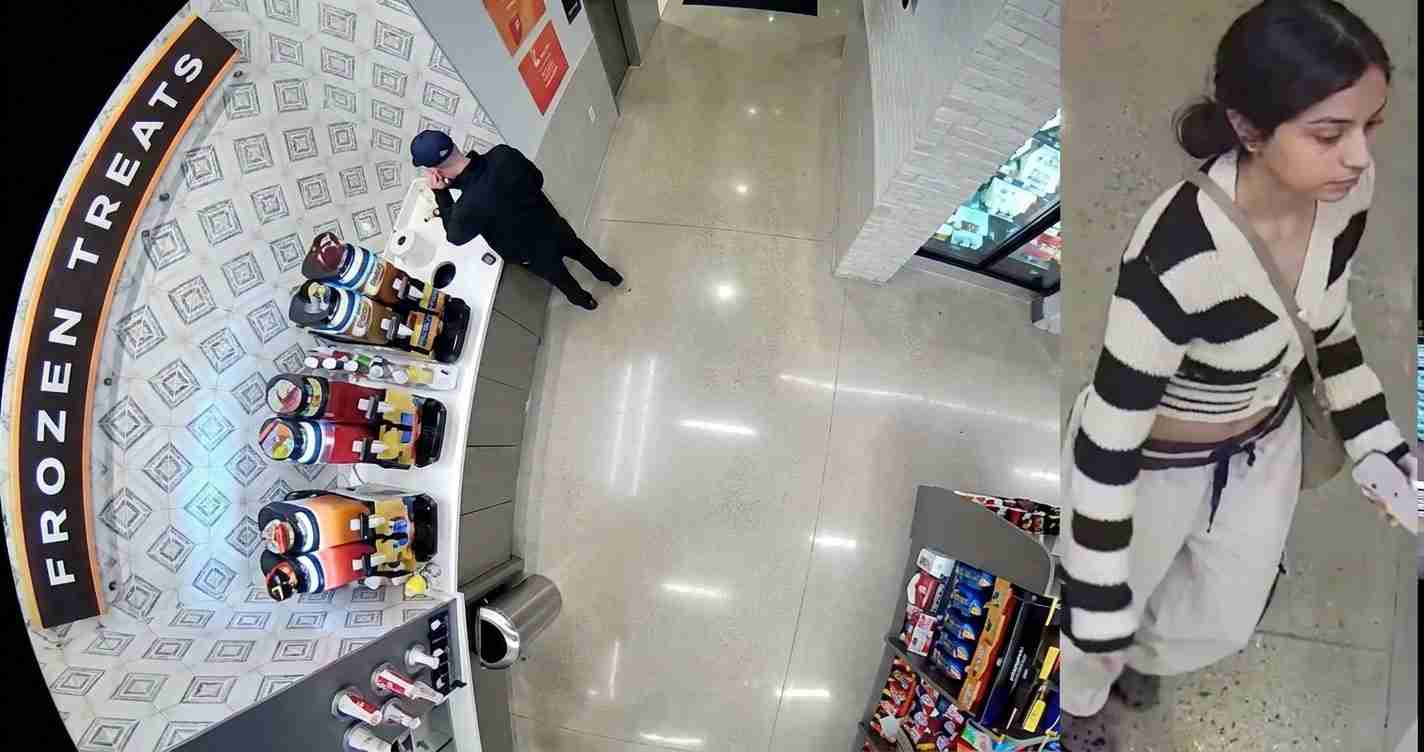
- Hotel evidence: Hampton Inn & Suites folio and surveillance video indicate Naqvi checked in at 1:17 p.m. on March 5 and remained through March 8, with room charges and transactions during the period she claimed to be detained.
- Digital communications: WhatsApp messages and phone activity show Naqvi communicating about food, work and daily plans, including requests to order food by card and references to spa services inconsistent with Dodge County facilities.
“I set out to present fact versus fiction,” Sheriff Schmidt said, describing the public timeline Naqvi offered as “not physically possible” given the records his office reviewed. (reporting)
Official responses and prior reviews
- The Department of Homeland Security previously said Naqvi’s claims were false, according to the sheriff’s complaint and public statements.
- Schmidt said his findings were shared with the FBI and the Illinois State Police as part of the review.
- The sheriff’s office noted earlier law enforcement inquiries involving Naqvi that they say produced unsubstantiated claims, including an alleged false sexual assault report.
Public amplification and political fallout
The complaint outlines how public figures and social accounts amplified Naqvi’s account. Cook County Commissioner Kevin Morrison publicly repeated the story, asserting that Naqvi and others were transported across state lines by immigration agents; Dodge County’s suit disputes those claims and says Morrison accused the sheriff’s office of a cover-up.
Social accounts including Libs of Chicago compared the incident to what they called “Skokie’s very own Jussie Smollett.” The Smollett episode became a national flashpoint over alleged staged incidents; see background on the Smollett case and related reporting for context.
Legal steps — the Sundas Naqvi lawsuit
Sheriff Schmidt’s federal complaint accuses Naqvi of fabricating the ICE detention story and seeks to remedy reputational harm and public confusion caused by the allegations. The complaint lays out the investigative timeline and notes the absence of any Dodge County custody records for Naqvi. (reporting)
Officials told Times Media Service and other outlets that while criminal prosecution may be difficult, the civil complaint is intended to clarify the facts and counter what Schmidt described as a widely spread false narrative. (Fox News)
Evidence used in the investigation
Investigators say their case rests on multiple, corroborating sources that together undermine the detention timeline Naqvi provided.
- CBP inspection logs and release times at O’Hare for March 5 (as cited in the sheriff’s complaint) were used to fix the airport timeline.
- Hotel folio records, credit-card transactions and elevator and lobby surveillance video from the Hampton Inn & Suites in Rosemont show Naqvi’s presence during the dates she said she was held in custody.
- WhatsApp messages and phone data indicate she was using her phone and communicating during the claimed detention window.
Sheriff Schmidt pointed to small but telling details — for example, messages referencing spa services at a facility Naqvi claimed — to challenge the credibility of the detention narrative. (Fox News)
Implications for Fresno, California
Economic Impact
- Immigrant-serving nonprofits, legal aid clinics and advocacy groups in Fresno may face increased demand when high-profile immigration claims circulate, straining limited resources.
- Tourism and hospitality businesses could be indirectly affected if similar stories drive protests or scrutiny of hotels and lodging records.
Political Consequences
- Local officials may be pressured to respond quickly to viral immigration stories; accuracy-first approaches may be urged to avoid amplifying misinformation.
- The episode could factor in election rhetoric on immigration enforcement and public trust in law enforcement.
Social Effects
- False detention claims that get wide attention can increase fear in immigrant communities and erode trust in institutions even after disproval.
- Schools, community centers and faith groups may need to ramp up outreach to reassure residents and explain reporting and verification steps.
Cultural Relevance
High-profile comparisons to staged incidents like the Smollett episode resonate in local conversations about credibility and media attention; community leaders may be called on to mediate between concerned residents and authorities correcting misinformation.
Practical Applications for Residents
- Verify claims through official channels—local law enforcement, federal agency statements or direct contact with named facilities—before sharing on social platforms.
- Community organizations can use this episode as a case study to train volunteers on fact-checking, record requests and supporting residents who believe they were detained.
What to watch next
The federal lawsuit filed by Sheriff Schmidt will proceed through court filings that may include additional details from agencies named in the complaint. Observers in Fresno and beyond will watch how courts, federal agencies and online platforms respond to disputes over facts and the spread of the story.
For background on the public conversation about staged incidents and hoaxes, see reporting on the Jussie Smollett case and additional coverage by Fox News.
Note: This article preserves reporting details and source links cited in the Dodge County complaint and related coverage.



