Trial of Zoe Rosenberg animal activist puts slaughterhouses and “open rescue” tactics under national microscope
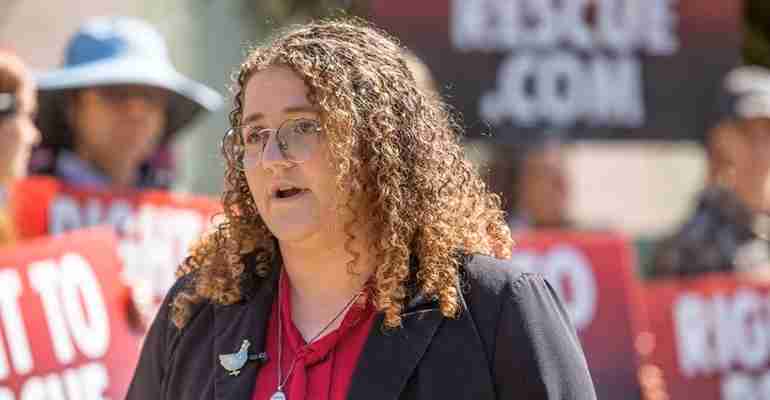
Zoe Rosenberg, a 23-year-old animal-rights activist, is on trial in Sonoma County for taking four chickens from Petaluma Poultry in June 2023 — a case that spotlights “open rescue” tactics and large-scale poultry welfare and accountability.
- Defendant: Zoe Rosenberg, founder of the Happy Hen Animal Sanctuary and an activist with Right to Rescue / Direct Action Everywhere (DxE) and covered by the San Francisco Chronicle.
- Incident: June 2023 — Rosenberg removed four chickens from Petaluma Poultry; coverage includes ABC7 News and the San Francisco Chronicle.
- Charges: One felony conspiracy charge and three misdemeanors (two trespass counts and tampering with a vehicle); maximum possible sentence approaches five years, per Right to Rescue and local reporting.
- Trial: Began Sept. 15, 2025; proceedings continued into late October 2025 (see Right to Rescue, a YouTube recording, and the San Francisco Chronicle).
Key takeaways
- Legal clash: Prosecutors emphasize property rights and formal enforcement; the defense argues a necessity defense to prevent animal suffering.
- Open rescue spotlight: The case amplifies debate over activists publicly removing animals to document alleged abuse versus following regulatory channels.
- National implications: Because the facility is connected to major suppliers, outcomes may influence activism, prosecutions, and industry inspections nationwide.
Main story
What prosecutors say
Prosecutors in Sonoma County urged jurors to focus on the facts: Rosenberg entered private property and removed animals without permission. They told the court that motive does not override the law and argued that allegations of cruelty should be handled through inspections, regulatory complaints, or criminal charges — not by unilateral action.
“Permitting unilateral rescues would undermine property rights and public safety,” prosecutors told the jury, urging jurors to weigh trespass and theft elements rather than motive alone.
What the defense argues
Rosenberg and her attorneys maintain she acted to prevent needless suffering. On the witness stand she described finding birds that were lethargic, feces-covered and injured, and testified she removed the four most distressed birds, provided medical care, and that they recovered at her sanctuary.
The defense frames the action as “open rescue” — a public tactic intended both to save animals and expose alleged mistreatment. Advocates note this draws attention to conditions in industrial facilities; critics warn of disease risks and property violations.
Legal questions: necessity and animal cruelty statutes
Central to the trial is whether California law permits a necessity defense when a person reasonably believes animals on private property are suffering. The defense points to animal cruelty statutes that make causing unnecessary suffering a crime; they argue Rosenberg reasonably believed intervention was required.
Prosecutors counter that allowing such a defense would let private citizens bypass official enforcement and erode statutory protections for property and public order. The jury must weigh Rosenberg’s beliefs against the elements of the charged offenses and statutory property protections.
Open rescue in context
Open rescue is a deliberate, public tactic used by some animal-rights groups, including Direct Action Everywhere / Right to Rescue, to document and remove animals they believe are suffering in industrial farms and slaughterhouses. Supporters say it exposes hidden cruelty; critics say it risks spreading disease, violates property, and can endanger workers and animals when not handled by trained professionals.
Why the case has national reach
Petaluma Poultry is owned by Perdue Farms, a major poultry supplier with nationwide operations. That connection, along with coverage from regional and national outlets, has turned a local Sonoma County trial into a flashpoint in debates over factory-farm welfare and enforcement practices. Observers are watching whether courts will accept necessity-style defenses in future open-rescue cases.
Rosenberg’s background and public profile
Rosenberg is a prominent animal-advocacy figure who founded the Happy Hen Animal Sanctuary as a child and later worked as a factory-farm investigator. DxE and allied groups have publicized footage and organized support outside the courtroom. Rosenberg spent more than 20 months under strict pretrial conditions, including wearing a GPS ankle monitor, while awaiting trial.
Media, public reaction and legal implications
Coverage in the Bay Area and beyond has been intense. Supporters say the trial forces scrutiny of industrial poultry practices and could push for tougher inspections or policy changes. Opponents warn against creating a precedent encouraging private citizens to take property or disrupt lawful business operations.
What evidence has been shown so far
Court testimony has included Rosenberg’s account, prosecutor statements, and media circulated by activists (video and photos). The chickens’ exact condition at removal remains a central factual dispute. The defense relies on Rosenberg’s observations and subsequent care; prosecutors stress formal verification via legal channels.
How this could affect future activism and enforcement
A verdict for Rosenberg could embolden more open-rescue actions and intensify calls for stricter enforcement of animal-welfare laws. A conviction could deter activists and reinforce property protections. Legal experts say the case may shape prosecutorial and judicial approaches to similar cases nationwide.
Implications for Fresno, California
Economic impact
Fresno, in California’s Central Valley, is part of a major agricultural region that could feel effects if scrutiny of poultry processing leads to regulatory shifts. Local suppliers, transporters and workers tied to large companies may face changes in audits, sourcing, or contracting.
Political consequences
Fresno policymakers may be pulled between constituents who seek tighter enforcement and those concerned about job protection and operational stability. Local officials could face pressure over measures related to inspections, animal welfare enforcement, and property protections.
Social effects and community response
The case may sharpen local debates on animal welfare and activism. Community groups, faith organizations and schools could see increased interest in volunteerism at shelters and sanctuaries, and local vets and rescue groups might face higher demand for assistance.
Practical applications for residents
Residents can engage with local supervisors, attend county agricultural commission meetings, or work with community-based animal-welfare organizations to shape balanced policies. Consumers may encounter campaigns or labeling aimed at informing purchasing choices.
Sources and coverage
- San Francisco Chronicle
- ABC7 News
- Right to Rescue (Direct Action Everywhere)
- YouTube courtroom recording
- Our Hen House podcast episode
Reporting draws on public court reporting and statements from multiple sources listed above.