
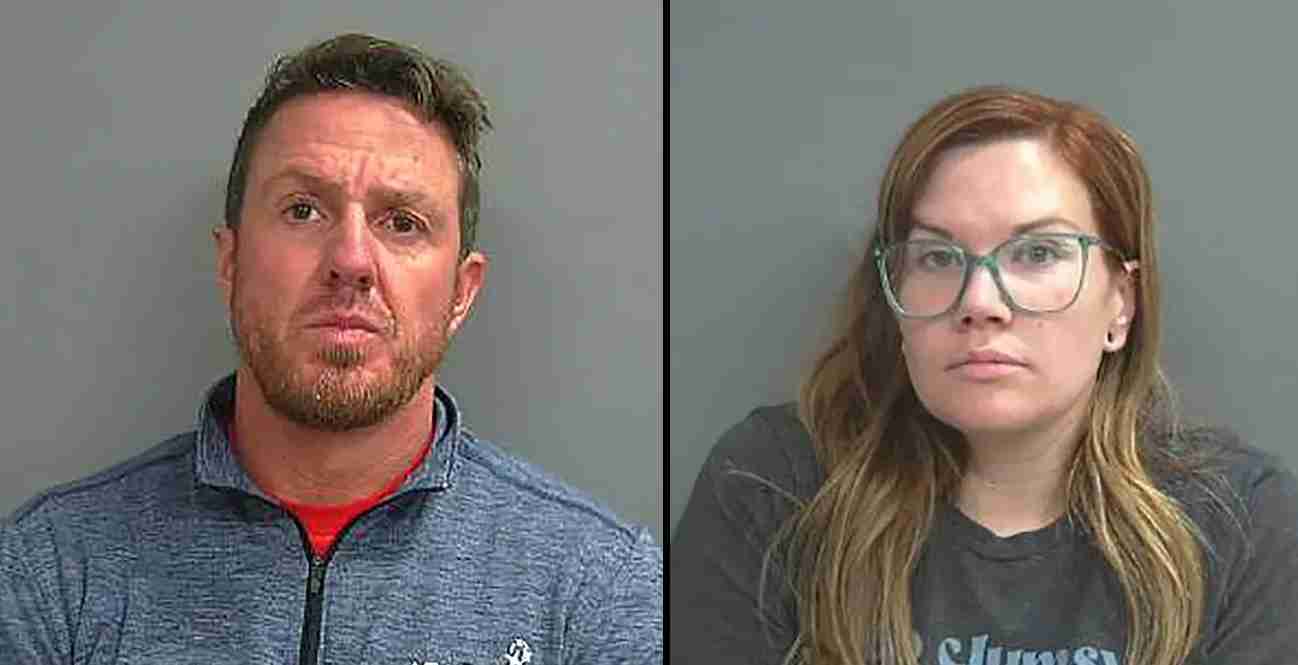
Former Fillmore Central Teacher, Boyfriend Charged With Sex Trafficking of Minor
Former Fillmore Central High School teacher Elizabeth Love and her boyfriend, Jarid Krause, were arrested in Fillmore County, Nebraska, on charges alleging sex trafficking of a minor, with authorities citing text messages and other digital communications as evidence.
Key takeaways
- Who: Former teacher Elizabeth Love and boyfriend Jarid Krause.
- What: Arrested and charged with sex trafficking of a minor and related offenses; prosecutors cite digital communications allegedly showing facilitation.
- Evidence: Investigators reference text messages and court records allegedly discussing “threesomes” and offers to “share” the boyfriend.
- Status: Both made initial appearances in Fillmore County District Court; ordered to avoid contact with minors and the alleged victim; investigations continue.
Investigation and allegations
Local law enforcement began an inquiry after reports from school staff and other authorities about inappropriate interactions between a teacher and a student. According to court filings and local reporting, investigators recovered electronic communications — text messages and other digital records — that they say show Love facilitating contact between the student and her boyfriend, Jarid Krause.
Court documents cited by reporters allege Love discussed sexual activity and encouraged or arranged meetings that involved Krause and the minor. Some records reportedly reference discussions of “threesomes” and an alleged offer by Love to “share” her boyfriend. Filings describe the victim as a minor who at times felt pressured and uncomfortable by the interactions.
Officials called the case “deeply troubling” and praised the student for reporting the alleged misconduct.
Evidence and legal process
Authorities say digital communications were central to the investigation. Investigators obtained messages they contend demonstrate Love’s role in facilitating contact and encouraging the student to engage in sexual encounters with Krause. Prosecutors allege Love used her position and trust as a teacher to influence the student and to allow the boyfriend access.
Charges against Love include sex trafficking of a minor, use of an electronic device to solicit sex, child abuse and related offenses. Krause faces charges including sex trafficking of a minor, attempted sexual assault and use of an electronic device to solicit sex. Both were arrested, made initial appearances in Fillmore County District Court, and were ordered to avoid contact with minors and the identified victim. Bond amounts were set as reported in local outlets; court scheduling and further discovery are ongoing.
The Fillmore County sheriff’s office has asked anyone with additional information to contact investigators as phone records, messages and other potential evidence continue to be reviewed.
School and community response
Fillmore Central Public Schools placed Elizabeth Love on administrative leave and stated the district is cooperating fully with law enforcement. District leaders publicly expressed shock and condemned any behavior that exploits students or violates trust.
Community reaction in the small Fillmore County towns has been one of concern and sadness. Local officials and families have expressed support for the student and called for transparency. The district offered counseling and resources to students and staff following the arrests, according to local reporting.
Local coverage has noted the strain such cases place on tight-knit communities where teachers, students and families often have overlapping relationships. School leaders reiterated child safety protocols and reporting channels for suspicious or troubling behavior.
Legal context and charges explained
Sex trafficking charges involving minors carry severe penalties and are treated distinctly from comparable adult offenses. Prosecutors allege when a minor is recruited, enticed, or facilitated into sexual activity, trafficking statutes and related charges can apply. In this case, trafficking allegations are combined with counts tied to electronic solicitation and child abuse.
Use of digital devices to arrange or encourage sexual contact with a minor can be prosecuted under state statutes that criminalize solicitation and distribution of sexually explicit material to minors. Prosecutors may add charges if additional victims or corroborating evidence emerge. Defense teams typically review digital evidence, challenge admissibility, and pursue pretrial discovery; upcoming hearings and filings will shape the case moving forward.
Sources and reporting
This article is based on reporting from local Nebraska news organizations and public records referenced in recent coverage, including Omaha World-Herald and Lincoln Journal Star, as well as statements from Fillmore Central Public Schools and law enforcement releases. Additional general coverage is available from the Associated Press.
Readers seeking court documents or official statements should consult Fillmore County District Court records and official law enforcement releases for the most current primary-source information.
Implications for Fresno, California
Though this is a Nebraska case, similar incidents can influence policy, budgeting and community trust in other districts, including Fresno. Below are potential local implications and practical actions for families and school leaders.
Economic impact
- Direct financial impact in Fresno is limited, but demand may rise for counseling and child-protection services, potentially shifting budgets.
- Districts might need funds for investigations, substitute staff, and additional training if similar misconduct is reported locally.
Political consequences
- Out-of-state incidents can spur local officials to review vetting, background checks and reporting policies.
- For a moderate audience, emphasis is likely to be on practical reforms: improved reporting channels, consistent background checks, and victim support.
Social effects
Families in Fresno may experience increased concern about student safety and staff-student boundaries. Schools should amplify communication with parents, offer informational sessions, and remind students about online safety and reporting options.
Cultural relevance
Trust between families and schools is vital in Fresno’s diverse communities. Leaders should engage community groups, faith-based organizations and youth programs to reaffirm protections and ensure culturally sensitive communication that avoids stigmatizing victims or families.
Practical applications for Fresno residents
- Parents: review district reporting procedures and ask administrators how suspected misconduct is handled.
- Students: be reminded about online safety, boundaries, and the importance of telling a trusted adult about uncomfortable interactions.
- School boards: consider reviewing staff training on grooming behavior, staff-student boundaries, and appropriate technology use.
For families and educators in Fresno, the Nebraska case underscores the importance of vigilance, clear policies and accessible support so that students receive appropriate care and communities retain trust in their schools.



