ICE arrest of driver in deadly June pileup reignites debate over California “sanctuary state” policies
An Indian national, Partap Singh, who entered the U.S. illegally in October 2022, was arrested by ICE in August 2024 after a June 20, 2024, 18-wheeler crash in California left a 5-year-old with catastrophic injuries.
- Driver: Partap Singh, an Indian national who crossed the southern border in October 2022 and later obtained a commercial license in California.
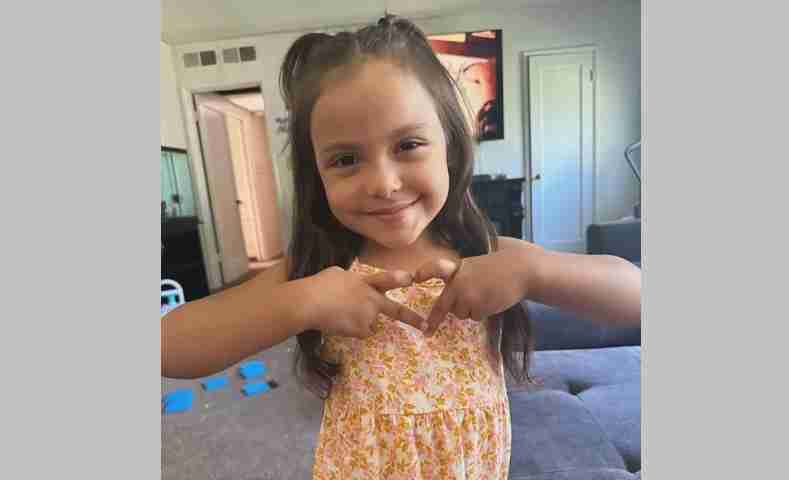
- Crash: June 20, 2024 — an 18-wheeler struck slowed construction-zone traffic, causing a multi-vehicle pileup that left 5-year-old Dalilah Coleman with life-altering injuries.
- Aftermath: ICE arrested Singh and he remains in federal custody pending immigration proceedings, renewing debate over state licensing and federal release policies.
What happened
On June 20, 2024, a commercial 18-wheeler driven by Partap Singh struck slowed traffic in a construction zone, triggering a multi-vehicle pileup. The California Highway Patrol said Singh was driving at an unsafe speed and failed to stop for traffic in the construction area, contributing to the chain-reaction crash (source: MENAFN).
The collision left 5-year-old Dalilah Coleman critically injured. Medical reports and family accounts say Dalilah spent three weeks in a coma, required six months of hospital care and multiple surgeries — including a craniectomy — and now faces lifelong disabilities including diplegic cerebral palsy and global developmental delay. She cannot walk, talk, or eat by mouth as before and will require ongoing therapy and support (reported by NDTV and MENAFN).
Other victims and family response
Other people were hospitalized, including Dalilah’s stepfather, Michael Krause, and several unnamed victims. Dalilah’s father, Marcus Coleman, has spoken publicly about the family’s suffering, which renewed national attention on the case and on immigration policy (NDTV).
Immigration and licensing timeline
Reporting that consolidated law enforcement and federal statements indicates Singh crossed the southern border illegally in October 2022 and was released into the country by federal officials under policies in place at the time. Despite undocumented status, Singh obtained a commercial driver’s license from the California DMV, a point critics cite when questioning state licensing rules for undocumented residents (NDTV; MENAFN; Times of India).
ICE later arrested Singh after investigators linked him to the crash; reports indicate he was taken into ICE custody and remains subject to immigration proceedings (NDTV; PTI).
Federal response and public statements
The U.S. Department of Homeland Security issued a public statement after Marcus Coleman spoke out about his daughter’s injuries, framing the case as an example of risks tied to unlawful entries and federal release practices (DHS statement).
Federal officials and commentators raised the incident as evidence for reexamining both border enforcement and state-level licensing rules. Supporters of California’s approach argue licensing undocumented drivers improves road safety by ensuring testing and insurance, while critics contend it undermines federal immigration enforcement and public safety.
Local and national political reaction
The crash intensified arguments over California’s so-called “sanctuary state” policies, which limit cooperation with federal immigration enforcement. Opponents pointed to this case as justification for stricter controls on commercial driving privileges and stronger federal immigration measures. Proponents countered that licensing undocumented drivers makes roads safer by ensuring drivers meet standards and carry insurance (NDTV; Times of India).
Some outlets and officials compared this crash to other high-profile incidents involving noncitizen drivers, prompting questions about DMV screening processes for commercial licenses and whether additional checks are needed (Daijiworld).
Medical and family impact
Medical accounts describe the scale of Dalilah’s injuries and the long path ahead: a three-week coma, multiple surgeries, months of hospitalization, and diagnoses of severe brain injury-related conditions requiring lifelong physical, speech, and occupational therapy. The family reports profound emotional, physical, and financial strain (MENAFN; NDTV).
Reporting consistency and sourcing
Multiple international and U.S.-based outlets have covered the case and generally agree on core facts: the June 20, 2024 crash; Singh’s entry in October 2022; his role as the 18-wheeler driver; the severe injuries to Dalilah; and his arrest by ICE. Sources cited across reporting include NDTV, MENAFN, Times of India, Daijiworld, PTI, and regional reporting (regional reporting).
Implications for Fresno, California
The case has potential local consequences across economic, political and social dimensions in Fresno, a region heavily dependent on trucking, distribution and agriculture. Below are implications grouped for clarity.
Economic impact
Fresno’s economy relies on trucking and immigrant labor. If state policies change to tighten licensing, local trucking firms may face driver shortages, higher hiring costs and additional training burdens. Conversely, stricter federal checks could increase insurer confidence and reduce perceived legal risk for some employers.
Political consequences
Local officials must balance agricultural business needs with public safety. Fresno County leaders could face pressure to reconsider cooperation with federal immigration authorities or to defend state licensing rules that keep drivers insured and on the road. The issue may influence local campaign messaging.
Social effects
Families may feel heightened anxiety about road safety, especially parents traveling on busy Central Valley highways like State Route 99 and Interstate 5. The story risks deepening divisions between community members over licensing as public-safety policy.
Cultural relevance
Fresno’s immigrant communities are central to the region’s culture and economy. Coverage focusing on individual cases can fuel stigma but may also prompt community discussions about safe driving, employer responsibility and access to support services for injured children.
Practical applications for residents
- For families: the case underscores the importance of car seats, safe driving habits and awareness of construction zones.
- For employers: trucking companies should review driver vetting, training and insurance requirements.
- For local officials: consider reviewing county coordination with DMV outreach and public-safety campaigns.
- For health providers and schools: plan for long-term care and special education services for children with severe disabilities.
Reporting notes and sources
This article draws on public reporting and official statements. Key sources include the DHS statement, NDTV, MENAFN, Times of India, Daijiworld, PTI, and regional coverage (regional reporting).
Sources report consistent core facts though timing and some details vary across outlets. Follow-up reporting should include court filings, official CHP collision reports, DMV commercial-licensing records, and statements from local Fresno officials and affected community groups.