Rep. Eric Swalwell launches 2026 bid for California governor, vows to be a “protector and fighter”
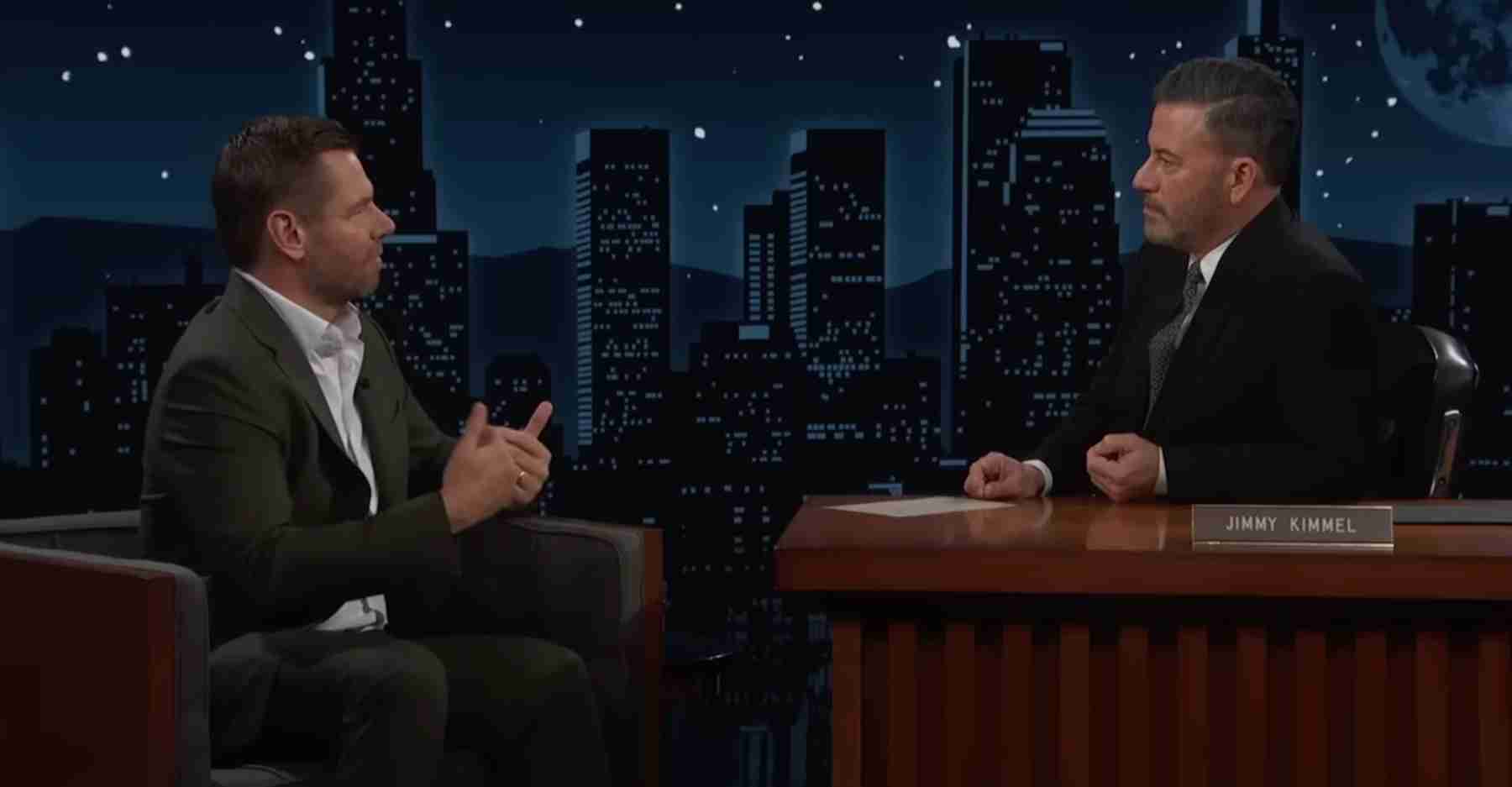
Rep. Eric Swalwell announced he is running for California governor in 2026 during a Jimmy Kimmel Live! appearance, pledging to be a “protector and fighter” opposing Trump-era policies, lowering living costs and tackling the housing crisis.
Key takeaways
- Rep. Eric Swalwell (D-Calif.) announced he will run for California governor in 2026.
- Launch platform: He framed the campaign as keeping “Trump out of our homes, streets and lives” while prioritizing affordability and housing.
- Strategic choice: Swalwell used national TV exposure to build name recognition and lean on national donors.
- Field and challenges: He enters a crowded Democratic primary and will face scrutiny tied to his national profile.
Announcement and national spotlight
Swalwell launched his campaign on Jimmy Kimmel Live!, calling it a bid “for all Californians” and centering his message on two priorities: keeping “Trump out of our homes, streets and lives” and writing “the story of a new California” focused on lowering prices and boosting business.
Choosing a late-night, national platform gave him immediate visibility beyond state lines. Analysts note that such nationalization could help with fundraising and rallying voters aligned with the broader Democratic agenda while also shaping a campaign narrative that links state policy fights to the national battle over former President Trump (Los Angeles Times; Politico).
Platform priorities: housing, cost of living, safety
Swalwell identified housing and affordability as central aims, arguing the state must lower prices and make it easier to buy homes or find decent rentals — linking these goals to job market health and long-term growth (Los Angeles Times).
On public safety, he referenced family ties and law enforcement connections to appeal to voters focused on safety and order, promising to protect communities while pursuing reforms he deems effective (Fox News).
Defending California’s values
A recurring theme is resistance to federal actions Swalwell calls threats to state priorities. He pledged to fight federal moves that could roll back California policies on immigration, science funding and civil rights, appealing to voters who want a governor to push back on Washington (Los Angeles Times).
Swalwell as a Trump critic
Swalwell has been a high-profile critic of former President Trump, notably during Trump’s second impeachment in 2021 and through frequent cable news appearances. He used those credentials in his announcement to emphasize blocking a return to Trump-era influence in California politics (Axios; Los Angeles Times).
Campaign field and competition
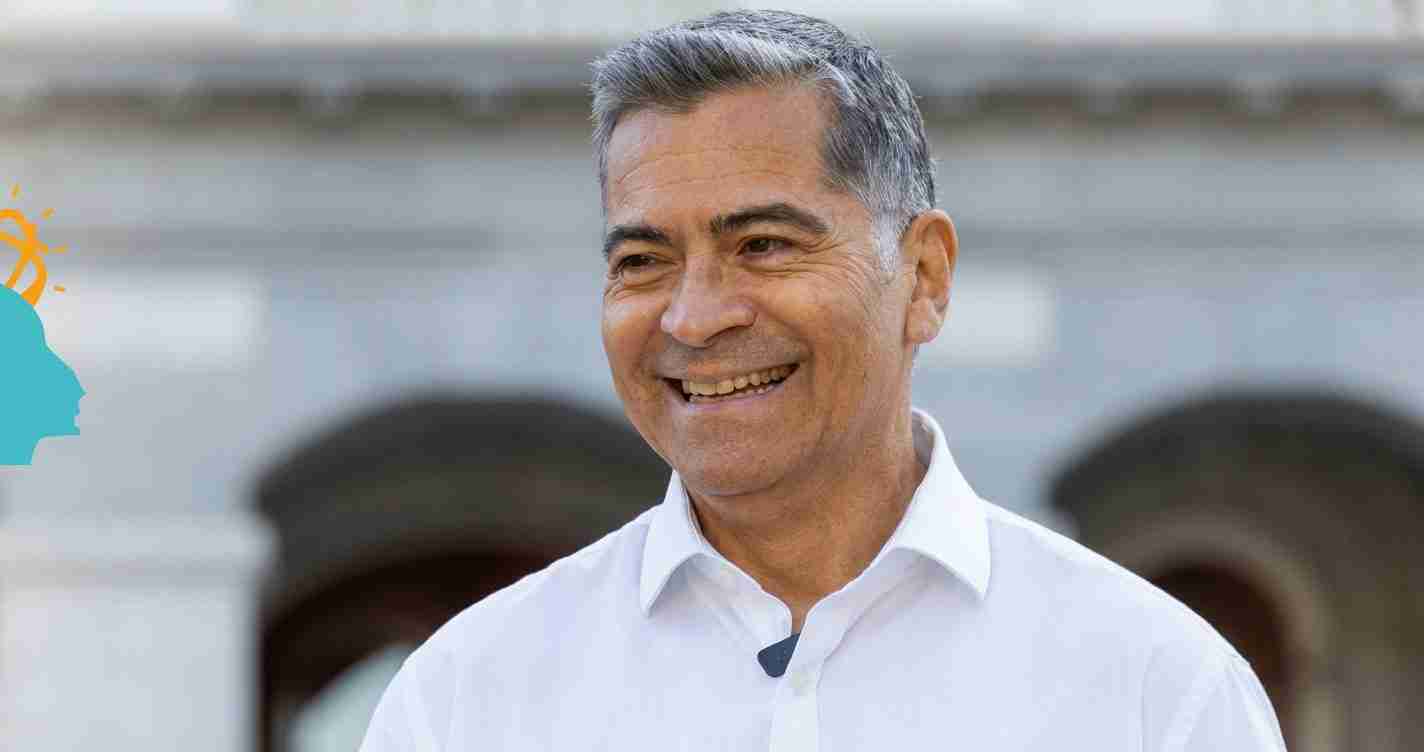
Swalwell joins a crowded Democratic primary that already includes notable figures such as Katie Porter, Xavier Becerra, Antonio Villaraigosa, Tom Steyer, Tony Thurmond and Betty Yee, among others — a mix of statewide leaders and fundraising heavyweights.
Republicans have also begun organizing, with names like Riverside County Sheriff Chad Bianco and commentator Steve Hilton positioning to mobilize conservative voters in a state that has leaned Democratic in statewide contests (Los Angeles Times).
Challenges and scrutiny ahead
Key hurdles include crowded donor pools and voter fragmentation: late-October polling indicated about 44% of California voters were undecided, leaving space but also potential fragmentation of support (Los Angeles Times).
Swalwell’s national visibility brings heightened scrutiny. Trump allies have already pushed back, and the former president’s administration recently referred Swalwell for a federal probe into alleged mortgage fraud — an issue opponents may repeatedly raise. Swalwell and his team will need to manage these attacks in coming months (YouTube appearance; Axios).
Finally, winning statewide needs deep grassroots organization across Southern California, the Central Valley and the Bay Area; competing with figures such as Becerra or Porter for Latino and suburban votes will be central to any path to victory (Los Angeles Times).
Funding, visibility and strategy
Swalwell’s approach pairs national visibility with state messaging: the late-night launch signaled reliance on national donors and TV exposure to build a war chest quickly. That strategy may raise money fast but could also feed narratives that he’s more of a national figure than a local problem-solver (Politico; Los Angeles Times).
Implications for Fresno, California
Economic impact: Swalwell’s emphasis on affordability and housing could appeal to Fresno and the San Joaquin Valley, where long-standing housing shortages, rising rents and a shortage of middle-income homes persist. A statewide push to expand supply could channel incentives and funding to Central Valley projects (Los Angeles Times).
Political consequences: Fresno is a swing area inside a deep-blue state. A Swalwell campaign stressing public safety and affordability could compete with other Democrats for suburban and working-class voters; success will depend on local outreach and coalition-building (KQED).
Social effects: Homelessness and public safety are top Fresno concerns. If Swalwell pushes state support for shelters, mental health services and law enforcement partnerships, Fresno could be an early test of how statewide policy shifts play out locally (Los Angeles Times).
Cultural relevance: Fresno voters value local engagement. Swalwell will need to connect national prominence to everyday issues — schools, water, farming and small business — to be perceived as a local champion rather than a distant TV figure (Politico).
Practical applications: Fresno residents should watch proposals on zoning, incentives for affordable housing and partnerships with county law enforcement and health agencies — details will matter more than late-night rhetoric (Los Angeles Times).
What to watch next
- Fundraising: early donor numbers and national fundraising traction.
- Endorsements: local endorsements in the Central Valley and among Latino leaders.
- Policy detail: specific housing, zoning and public safety proposals.
- Transparency: disclosures regarding any federal referrals or investigations.
Sources
- https://www.foxnews.com/politics/eric-swalwell-announces-run-california-governor-vows-protector-fighter
- https://www.kqed.org/news/12064922/eric-swalwell-california-governor-race
- https://www.latimes.com/california/story/2025-11-20/race-for-california-governor-continues-to-heat-up-with-trump-critic-rep-eric-swalwell-jumping-in
- https://www.youtube.com/watch?v=LTz2RuLrvQs
- https://www.axios.com/2025/11/21/swalwell-california-governor-race-trump-jimmy-kimmel
- https://www.politico.com/news/2025/11/21/eric-swalwell-runs-california-governor-00651742