
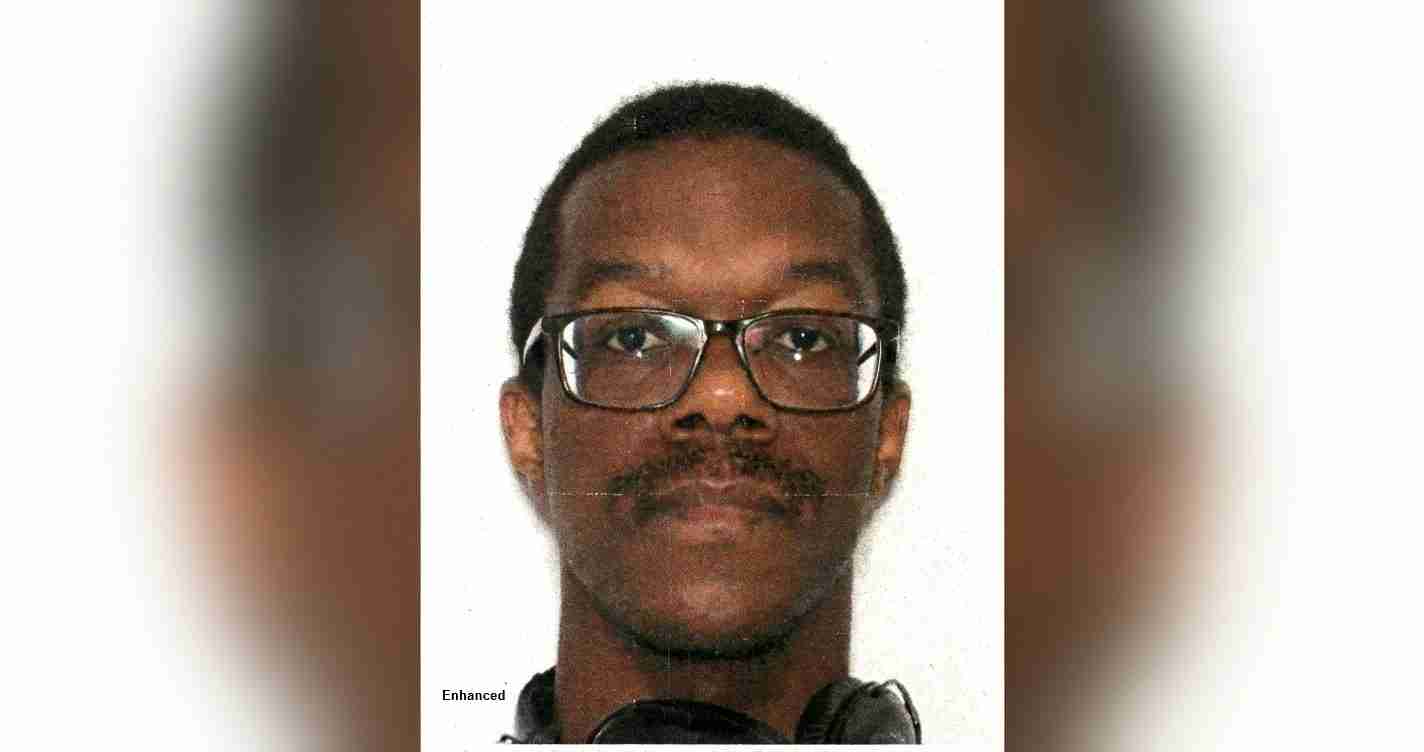
Jake Tapper Issues On-Air Correction After Misidentifying Brian Cole Jr.; Arrest Tied to Old FBI Evidence Draws Scrutiny
WASHINGTON — CNN anchor Jake Tapper issued an on-air correction after misidentifying Brian Cole Jr. as white during a Dec. 5 broadcast; Cole, a 30-year-old Black man, was arrested Dec. 4, 2025, in connection with undetonated pipe bombs.
Key takeaways
- Quick correction: Jake Tapper initially described the suspect as “a 30‑year‑old white man,” then corrected himself after CNN aired a booking photo; video of the segment shows the exchange.
- Arrest and charges: Authorities arrested Brian Cole Jr. on Dec. 4, 2025, announcing charges tied to devices placed outside the RNC and DNC on Jan. 5, 2021; see reporting on Cole’s arrest.
- Evidence reportedly old: DOJ officials said the case relied on evidence already in the FBI’s possession from 2021–2022, not a new tip, which drew criticism of prior handling; watch the press conference.
- Rival coverage: Media competitors replayed Tapper’s error and correction, including Fox News coverage, amplifying debate over reporting standards.
What happened and the on-air correction
Timeline: On Dec. 5, during an episode of The Lead, Jake Tapper introduced the story describing the suspect as “a 30‑year‑old white man from the DC suburbs.” Minutes later, CNN showed a booking or ID photo that clearly depicts Brian Cole Jr. as Black.
Reaction on air: Viewers and outlets noted the mismatch. Tapper issued an on-air correction acknowledging the mistake. The exchange is visible in the video of the segment.
“We want to correct — the individual in the photograph is Black,” Tapper said on air, acknowledging the earlier misdescription and moving on to coverage of the arrest.
Who Brian Cole Jr. is and the allegations
Identity and background: Authorities identified the suspect as Brian Cole Jr., a 30‑year‑old Black man from Woodbridge, Virginia, reportedly employed as a bail bondsman in Northern Virginia (see reporting on Cole’s arrest).
Allegations: Prosecutors allege Cole placed undetonated pipe bombs outside the Republican National Committee and Democratic National Committee headquarters on Jan. 5, 2021. The devices were discovered Jan. 6, 2021, and did not detonate.
Charges announced include malicious destruction or attempted malicious destruction by means of fire and explosive materials, and transporting an explosive device in interstate commerce with intent to kill, injure, intimidate, or unlawfully destroy property (DOJ remarks detailed in the press conference).
Evidence authorities described
At a Dec. 4 press conference, DOJ and FBI officials summarized multiple strands investigators say link Cole to the devices. Reporting and officials cited:
- Purchase records: Transactions between 2019 and 2020 for materials matching device components — galvanized pipe, end caps, 9‑volt battery connectors, kitchen timers, electrical wire — allegedly traced to Cole’s credit‑card and bank records (see reporting on Cole’s arrest).
- Phone and location data: Officials say Cole’s cellphone pinged near both the DNC and RNC buildings on Jan. 5, 2021.
- Vehicle tracking: A 2017 Nissan Sentra registered to Cole was allegedly captured by a license‑plate reader in D.C. near where surveillance footage first showed a person on foot.
- Surveillance video: The FBI previously released footage of a masked person placing suspicious devices near both headquarters; investigators now say that individual is Cole (video and coverage).
Officials noted that some purchases and records date to 2019–2020, which they say helped establish a chain linking Cole to materials consistent with recovered devices.
Possible motive
Investigators saidBlack Enterprise).
Arrest timing and claims about prior handling of evidence
Cole was arrested Dec. 4, 2025, nearly four years after the devices were placed outside party headquarters on Jan. 5, 2021. DOJ officials, including U.S. Attorney General Pam Bondi and FBI Director Kash Patel, described the arrest as a breakthrough in a case they said had “languished.”
Officials’ explanation: They said there was “no new tip” and that agents reassembled evidence collected years earlier. Bondi criticized the prior administration’s handling, saying agents “worked tirelessly for months, sifting through evidence that had been sitting at the FBI with the Biden administration for four long years” (see the press conference).
How media outlets framed the Tapper error
Coverage of the arrest quickly shifted to scrutiny of how outlets reported the story. Tapper’s on-air mistake was widely replayed by competitors and commentators:
- Fox News highlighted Tapper’s apology and cast the error as a notable lapse by CNN (Fox News coverage).
- Sky News Australia replayed the clip to criticize the mistake and question reporting standards (see the video of the segment).
- Black Enterprise contrasted CNN’s early description with law‑enforcement descriptions identifying Cole as Black and reported on his background (Black Enterprise reporting).
The episode prompted discussion about newsroom checks on race descriptions, the rush to air breaking news, and how rival outlets use mistakes to question credibility.
Implications for Fresno, California
Economic and security impact: Local law enforcement in Fresno and across California may review protocols for responding to older unsolved threats and for tracking long‑term evidence. Federal coordination tracing purchases, phone data, and vehicle records can involve firms and banks that operate in California.
Political and civic effects: The arrest and disputes over how long the case sat without charges could influence local political discourse in Fresno. Officials may face questions about public safety, resource allocation, and relationships with federal agencies.
Social and community considerations: The misidentification and correction can have local reverberations. Fresno newsrooms, civic leaders, and community groups may use the episode to discuss media accuracy and the potential harm of misreporting race, especially in high‑profile criminal cases.
Practical effects for residents: For residents, the case is a reminder that federal investigations can intersect with local lives through data, purchases, and travel; sectors like security, banking, transportation and tech may renew attention to record‑keeping and cooperation with legally requested inquiries.



