
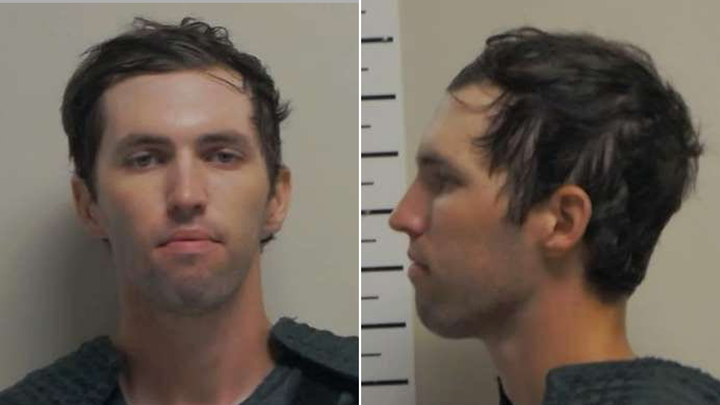
Alleged Charlie Kirk Assassin Tyler Robinson Makes First In-Person Utah Court Appearance as Media Fights Secrecy
Tyler Robinson, 22, appeared in person Dec. 11, 2025, in a Utah courtroom where arguments centered on media access and the scope of a broad gag order in the Charlie Kirk assassination case — a pivotal procedural step before trial.
- High-profile hearing focused on transparency: arguments on public access and gag limits, not guilt or evidence.
- Robinson’s formal charges: seven counts including aggravated murder; prosecutors say they will seek the death penalty for aggravated murder.
- Media coalition pushes back: news organizations and the victim’s widow seek fewer sealed records and narrower gag restrictions.
- Court rulings could set precedent: decisions on sealing and gag orders may influence other politically sensitive cases.
What happened at the December 11 hearing
First in-person appearance: Tyler Robinson, 22, made his first in-person court appearance on Dec. 11, 2025. Observers described him as calm; he wore a button-up shirt and tie, was handcuffed, and remained mostly still during the brief session. Earlier court business had been held virtually.
The hearing did not address the shooting itself. Instead, lawyers argued about how open future proceedings will be and about the reach of an existing gag order. Defense attorneys urged broad restrictions to protect Robinson’s right to a fair trial in an intensely public and politically charged case. Prosecutors and representatives of multiple news organizations countered that the public’s right to see court business is especially important in a case with implications for political violence and free speech. See KUER coverage.
Background: the assassination and surrender
Charlie Kirk, a conservative activist, was shot and killed while speaking at Utah Valley University on Sept. 10, 2025. Authorities say the gunman fired from a rooftop about 130 meters from the stage. Details of the incident are compiled in public reporting and records, including Assassination of Charlie Kirk.
The day after the shooting, Tyler James Robinson — then 22 — surrendered after his parents recognized him in news images and arranged the surrender with assistance from a retired detective in their congregation, according to reporting and public records summarized in the same source.
Charges and potential penalties
Robinson faces seven counts, including aggravated murder, felony discharge of a firearm, obstruction of justice, witness tampering and committing violence in the presence of a child. Prosecutors have said they will seek the death penalty if Robinson is convicted of aggravated murder, citing alleged aggravating factors such as targeting Kirk for his political expression and the presence of children as witnesses. See Assassination of Charlie Kirk and KUER coverage.
Allegations, evidence and investigation so far
Prosecutors say messages and physical evidence link Robinson to planning and carrying out the shooting. Investigators allege messages recovered from a roommate show Robinson discussed retrieving and hiding a rifle, watching the area where the rifle was left, and using a scope and engraved bullets.
Authorities also say Robinson’s DNA matched material found on a towel wrapped around the suspected rifle and on a screwdriver recovered from the rooftop believed to be the shooting location. Law enforcement has said Robinson’s roommate is not a suspect and cooperated by turning over messages and other information. These materials are central to ongoing disputes over what court records should remain sealed. See Assassination of Charlie Kirk.
Gag order and the fight over secrecy
Core dispute: the hearing’s main focus was the breadth of a gag order already in place and whether it should be narrowed. Defense counsel argued that broad public statements from prosecutors, witnesses or family members could taint potential jurors and jeopardize a fair trial. Media groups and civic transparency advocates argued the current level of sealing and restrictions is excessive and prevents the public from understanding how the justice system is handling a politically charged killing.
News organizations have filed motions pressing for greater access, framing the matter as an open-courts principle — the public’s right to see government action — and noting the case’s national importance because it involves alleged political violence and potential threats to free expression. See KUER coverage.
Kirk’s widow and public transparency
In a notable development, Kirk’s widow has publicly urged for more openness in the proceedings, saying the public deserves to know how and why the assassination occurred and how authorities are responding. Her position complicates the typical prosecution-versus-media dynamic by adding a family member of the victim as an advocate for transparency even as prosecutors press measures they say protect the integrity of a capital case.
“The public deserves to know how and why the assassination occurred,” the widow has said through counsel and statements supporting greater access.
Procedural status and why this hearing matters
Robinson has been formally charged and was advised that prosecutors plan to seek the death penalty if he is convicted of aggravated murder. No trial date has been set. Legal experts describe the Dec. 11 hearing as the most significant procedural move to date because it addressed the rules that will govern future filings, hearings and potentially the trial itself.
Rulings opening or further sealing records can shape public discussion of evidence, lawyers’ strategies and potential juror perceptions. Judges will need to balance fair-trial protections for the defendant with the constitutional presumption of open courts; their decisions could set precedents for how Utah courts handle other politically sensitive, high-profile cases. See KUER coverage.
Courtroom atmosphere and public interest
Observers described the hearing as formal and focused on legal argument rather than emotional testimony. Intense national attention — including filings from major news organizations — has underscored the case’s wide public interest. Media requests for access are tied not only to reporting needs but also to broader questions about transparency in the justice system when public figures and political motives are involved.
Implications for Fresno, California
Economic impact: Local media and event businesses in Fresno may feel effects as national stories draw audience attention away from local news and advertising. If courts adopt stricter sealing norms, Fresno newsrooms could face reporting hurdles and higher costs to secure records or access.
Political consequences: Fresno leaders and candidates often focus on public safety and free speech; how Utah courts handle gag orders and transparency could shape local debates and election messaging.
Social and cultural effects: Fresno’s campuses and event venues may re-evaluate security, evacuation plans and credentialing for speakers and audiences. Community groups and faith leaders might use the case to discuss de-escalation and protecting democratic norms.
Practical applications for residents and journalists: Fresno reporters should monitor Utah rulings on gag orders and sealed records because those decisions could influence litigation strategies in California and guidance local attorneys provide to clients.
Sources and further reading
- KUER: Charlie Kirk suspect Tyler Robinson makes 1st in-person appearance in court, Dec. 11, 2025
- Assassination of Charlie Kirk — Wikipedia
- Video of hearing excerpts
Legal observers say the dispute over gag orders and sealed records will shape how much the public can see as the case moves toward trial and whether broad secrecy restrictions will be narrowed to allow more reporting on the facts, filings and courtroom proceedings.



