
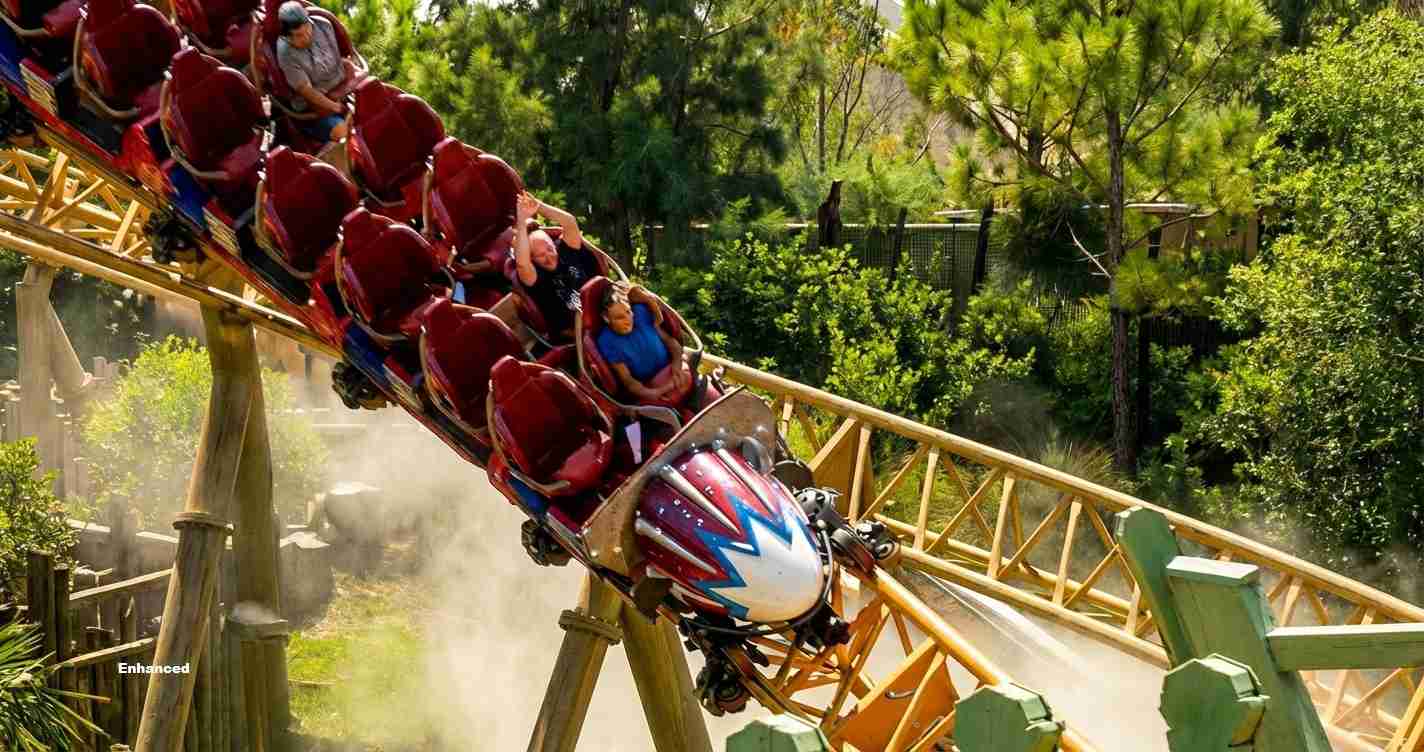
Stardust Racers death at Universal’s Epic Universe ruled accidental by medical examiner
The Orange County Medical Examiner has ruled the September 17 death of Kevin Rodriguez‑Zavala on Universal Orlando’s Stardust Racers roller coaster an accident, citing multiple blunt‑impact injuries and finding no criminality after a months‑long investigation.
Key takeaways
- Manner of death: Orange County Medical Examiner classified it as accidental — cause: multiple blunt‑impact injuries.
- Investigation: Orange County Sheriff’s Office found no criminality after reviewing video, witness statements and records.
- Ride and restraints: Witnesses reported multiple attempts to lock the lap bar; investigators said the ride was functioning properly.
- Family response: The family retained attorney Ben Crump and reached an amicable resolution with Universal Orlando.
Who was the victim — reporting differences
Local reporting in Orlando identified the rider as Kevin Rodriguez‑Zavala, listed as 32 years old in law‑enforcement and local records, though some national outlets at times cited his age as 35. Rodriguez‑Zavala’s girlfriend, Javiliz Cruz‑Robles, was seated beside him during the ride and provided critical statements to investigators.
How the incident unfolded on the ride
Orange County investigators reviewed security video and witness statements. Video reportedly shows Rodriguez‑Zavala “engaged and well” at the start and later slouched and unresponsive at the end, according to the sheriff’s report.
Cruz‑Robles told investigators a ride operator had to push the lap bar down several times before it locked; she said she saw Rodriguez‑Zavala lurch forward as the coaster crested the first hill and hit his head on a metal bar.
When the train returned to the station, staff found Rodriguez‑Zavala unresponsive, bleeding from the face and contorted in his seat. A Universal paramedic reported the lap bar remained engaged and required about ten minutes to release; the paramedic described the guest as “face down, falling out of his seat, with legs inverted.”
Injuries and cause of death
Medical findings: The Orange County Medical Examiner listed the manner of death as accident and the cause as multiple blunt‑impact injuries. The report documented severe facial trauma, a broken nose, internal bleeding and a fractured femur described by a doctor‑witness as “completely broken in half.”
A bystander who identified herself as a doctor told deputies she believed Rodriguez‑Zavala was already lifeless before being removed from the coaster; he was later pronounced dead at a hospital.
Disability, medical history and questions that followed
Records and witness statements show Rodriguez‑Zavala used a wheelchair and had prior spinal surgeries with metal rods in his back, according to his girlfriend and the sheriff’s report. His family has maintained that his spinal disability did not cause his death. A doctor who rendered aid at the scene told investigators she did not believe inability to use his legs alone explained the injuries.
Ride operation, restraints and technical findings
Multiple witnesses and reports said ride workers made several attempts — described as “three or four” by some accounts — to secure the lap bar at dispatch. Cruz‑Robles said an operator pushed the lap restraint down multiple times to lock it. Despite those efforts, Rodriguez‑Zavala was later found still restrained and difficult to remove from the seat.
The Orange County Sheriff’s Office stated investigators examined security video, witness statements and medical records and found the ride itself was functioning properly, concluding there was no criminal conduct and closing the case as accidental.
Official rulings and law‑enforcement conclusions
- Orange County Medical Examiner: Manner — accident; Cause — multiple blunt‑impact injuries.
- Orange County Sheriff’s Office: After a months‑long probe of video, witness accounts and records, found no indication of foul play and closed the case as accidental.
Legal and family response
The family retained civil rights attorney Ben Crump. Universal Orlando announced it reached a “resolution” with Rodriguez‑Zavala’s family, saying the matter was amicably resolved and the family requested privacy; the company did not disclose terms of the resolution.
About Stardust Racers and Epic Universe
Stardust Racers is a high‑thrill, dual‑launch roller coaster at Universal Orlando’s Epic Universe. It reaches speeds of about 62 mph and heights of roughly 133 feet, making restraint fit and proper securement essential to rider safety given the ride’s layout and high forces.
Public concerns and unresolved questions
The incident raised questions about:
- Restraint fit and inspection: Why the lap bar required multiple attempts to lock and how fit is verified for riders with nonstandard body positions or mobility aids.
- Screening and guidance for guests with disabilities: How parks assess riders with spinal hardware or wheelchair use and whether staff training and signage are sufficient.
- On‑ride distress response: How staff monitor trains in real time and how companions can alert ride operators during a run.
- Transparency: Investigators said the ride was operating properly, but detailed technical findings or regulatory follow‑ups have not been fully publicized.
Implications for Fresno, California
Fresno residents and travel businesses may follow the case closely. Major theme‑park incidents can temporarily affect travel demand; local travel agencies, tour operators and ride‑sharing services should be prepared for customer questions about safety and accessibility at major parks.
Policy and advocacy impacts could include constituent inquiries to Fresno officials and state legislators about ride safety, disability access and whether current rules sufficiently protect travelers with disabilities. Community groups may use the incident to spur discussions about inclusive recreation and safe participation in high‑thrill activities.
Practical applications for residents and travelers
- Review a park’s accessibility policies and contact their disability services before travel.
- Carry medical records or provider notes explaining spinal hardware or mobility limits and discuss them with ride attendants.
- Ask park staff about restraint testing and procedures if a lap bar or seat belt does not fit on the first attempt.
- For caregivers: plan alternate activities in case a rider is advised not to attempt a high‑force attraction.
Sources and reporting
This article draws from official statements, law‑enforcement reports and local news accounts, including:
For accuracy, all facts above reflect official reports and local reporting from the listed sources.


