
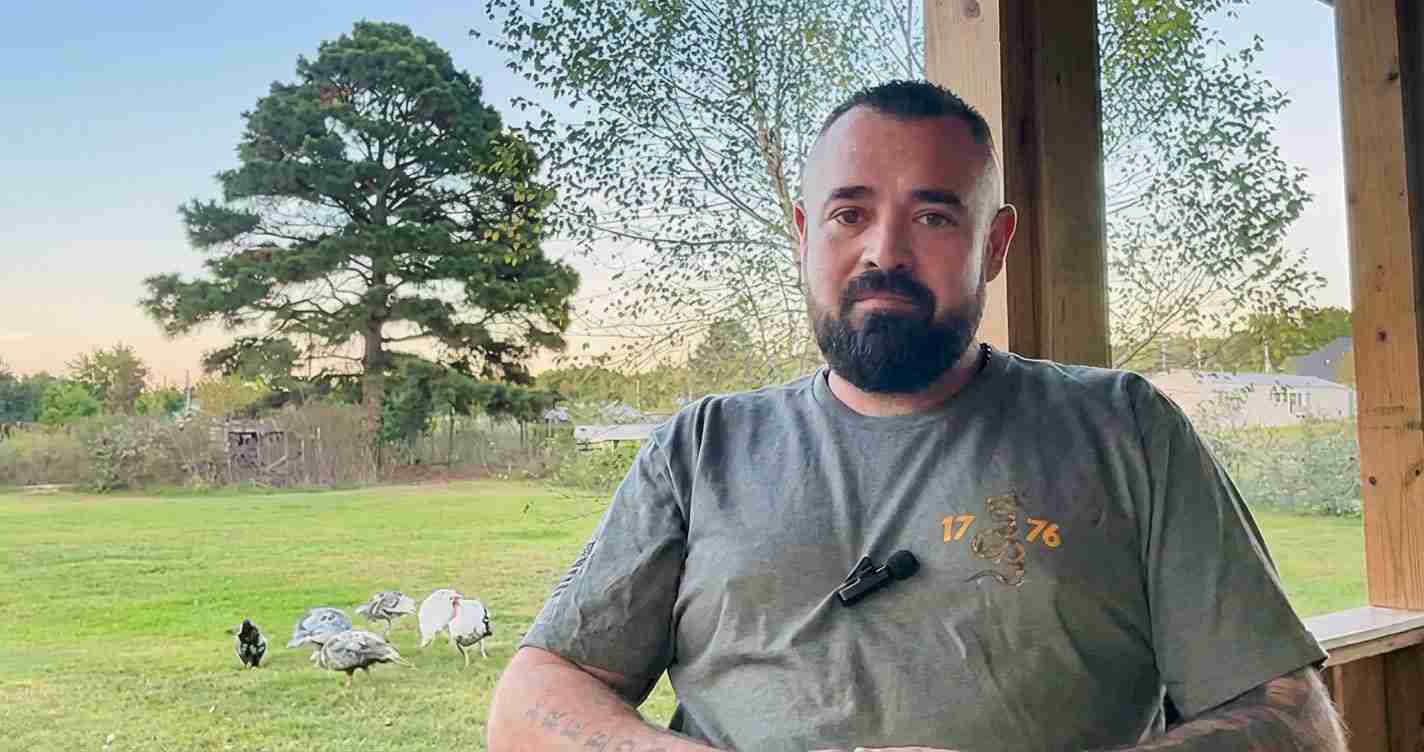
Arkansas father charged in fatal shooting of alleged predator wins Lonoke County Republican primary
Aaron Spencer, charged with second-degree murder in the Oct. 8, 2024, death of Michael Fosler, won the Lonoke County Republican primary with just over 53% of the vote and will advance to the November general election amid a delayed trial.
- Decisive primary win: Spencer received more than 53% of the Republican primary vote, according to unofficial results reported by KATV.
- Pending criminal case: He is charged with second-degree murder in the Oct. 8, 2024, death of 67-year-old Michael Fosler; Spencer has pleaded not guilty and is free on bond (KATV).
- Campaign focus: An Army veteran and farmer with no prior law-enforcement experience, Spencer campaigned on a SAFE Unit and raising bonds in violent child‑crime cases (KATV).
- Legal uncertainty: The Arkansas Supreme Court removed the original judge in Spencer’s case, delaying the trial and raising questions about eligibility to serve if convicted (KATV).
What happened in October 2024
Timeline and allegations: Court records and local reports say that on Oct. 8, 2024, Aaron Spencer returned home, discovered his teenage daughter missing and later located her in a truck driven by 67‑year‑old Michael Fosler. Prosecutors allege Spencer forced the truck off the highway; an altercation followed and Fosler was shot and died. Spencer called 911 after the shooting, according to reports (KATV).
Before his death, Fosler faced multiple sexual‑offense charges tied to Spencer’s daughter and was out on bond at the time of the incident. Authorities charged Spencer with second‑degree murder; he has pleaded not guilty and is out on bond awaiting trial (KATV).
A high-profile race and national attention
From local contest to national spotlight: Spencer’s decision to run for sheriff transformed a routine county primary into a nationally watched race. He built his campaign around his family’s case and criticisms of how courts and prosecutors handle sex‑crime cases involving children, arguing low bonds and limited victim support leave families vulnerable (KATV).
Campaign platform: SAFE Unit and higher bonds
SAFE Unit proposal: Spencer — an Army veteran and farmer with no prior law‑enforcement experience — proposed a Sexual Assault and Family Endangerment (SAFE) Unit focused on prevention, prosecution, victim mental‑health services and advocating for higher bonds in violent child‑crime cases. He used blunt messaging about perceived systemic failings, saying some offenders are released on bonds “for the price of a lawnmower,” to stress reform needs (KATV).
Campaign message: Spencer told voters his run was “not about me,” framing the bid as service to parents and neighbors who need to feel safe. “The sheriff works for the people… I’m literally just a neighbor,” he said in his campaign video announcing the run (KATV).
Legal status and court delays
Court developments: The trial was initially set for January but has been delayed after the Arkansas Supreme Court removed the original judge assigned to the case. That decision left the matter without a scheduled trial date and raises uncertainty about whether legal proceedings will conclude before the November general election. Legal experts note that a conviction would make Spencer ineligible to serve as sheriff (KATV).
Responses from law enforcement and prosecutors
Incumbent reaction: Sheriff John Staley, who led the deputies that arrested Spencer in 2024 and was defeated in the primary, posted on Facebook after the primary: “Tonight the voters made their decision in the Republican Primary, and I respect the decision.” (KATV).
Prosecutors’ caution: Prosecutors and critics warned that private citizens taking violent action against suspects raises serious legal and ethical concerns. One prosecutor warned plainly:
“We don’t live in the Wild West.”
That comment underscores the state’s position that the justice system — not individuals — must handle crimes and suspects (KATV).
What the vote shows
Electoral implications: Spencer’s primary victory with just over 53% in unofficial returns signals strong support among Republican primary voters despite his pending criminal case. He will face Democrat Brian Mitchell Sr. in November. Supporters frame his actions as parental protection and a call for reforms; opponents caution that electing someone charged with murder raises rule‑of‑law concerns and questions about entrusting public safety to an accused felon (KATV).
Questions of law enforcement accountability and public safety
Central tension: Spencer’s platform centers on accountability — arguing that prosecutors and courts sometimes set low bonds that release dangerous people. That message resonated with voters who feel the system failed victims. Critics say change should come through law and policy, not vigilantism. The case forces a difficult question: can a person accused of a violent crime credibly promise to reform the system he allegedly bypassed with force? (KATV).
Implications for Fresno, California
Local lessons: Though the race is in rural Lonoke County, the issues echo in Fresno and across Central California. Leaders, candidates and residents can draw policy and political lessons on victim protection, public trust and crime‑response strategies.
- Economic impact: A high‑profile sheriff’s race or criminal case that undermines trust in law enforcement can affect investment and neighborhood stability. Strong public‑safety perceptions support commerce and housing; victim‑centered policies may reduce long‑term costs.
- Political consequences: The Spencer win shows emotion around child protection can reshape local elections. Fresno politicians may face pressure to adopt tougher stances on child‑sex crimes and reforms to bond‑setting and prosecution transparency.
- Social effects: Community anger at perceived system failures highlights a need for outreach, clear communication and services for families affected by sexual crimes. Specialized units for sexual assault response and family support — like Spencer’s SAFE Unit proposal — could enter local policy debates.
- Cultural balance: Calls for stronger child protections resonate across communities but raise due‑process concerns. Leaders must balance urgent protection with legal norms to avoid endorsing vigilantism.
- Practical applications: Fresno agencies could review bond policies, victim‑witness services and interagency coordination; invest in victim mental‑health services, rapid forensic response and public education; and hold forums on bond practices and family resources.
Reporting and next steps
What to watch: Spencer’s primary victory focuses attention on the November general election and whether courts will resolve his case before then. The legal delays raise practical questions about ballot access, eligibility to serve and whether a conviction would remove an elected official from office. Local officials and residents in Lonoke County — and observers in places like Fresno — will watch proposals aimed at improving child protection while preserving the legal system’s integrity (KATV).


