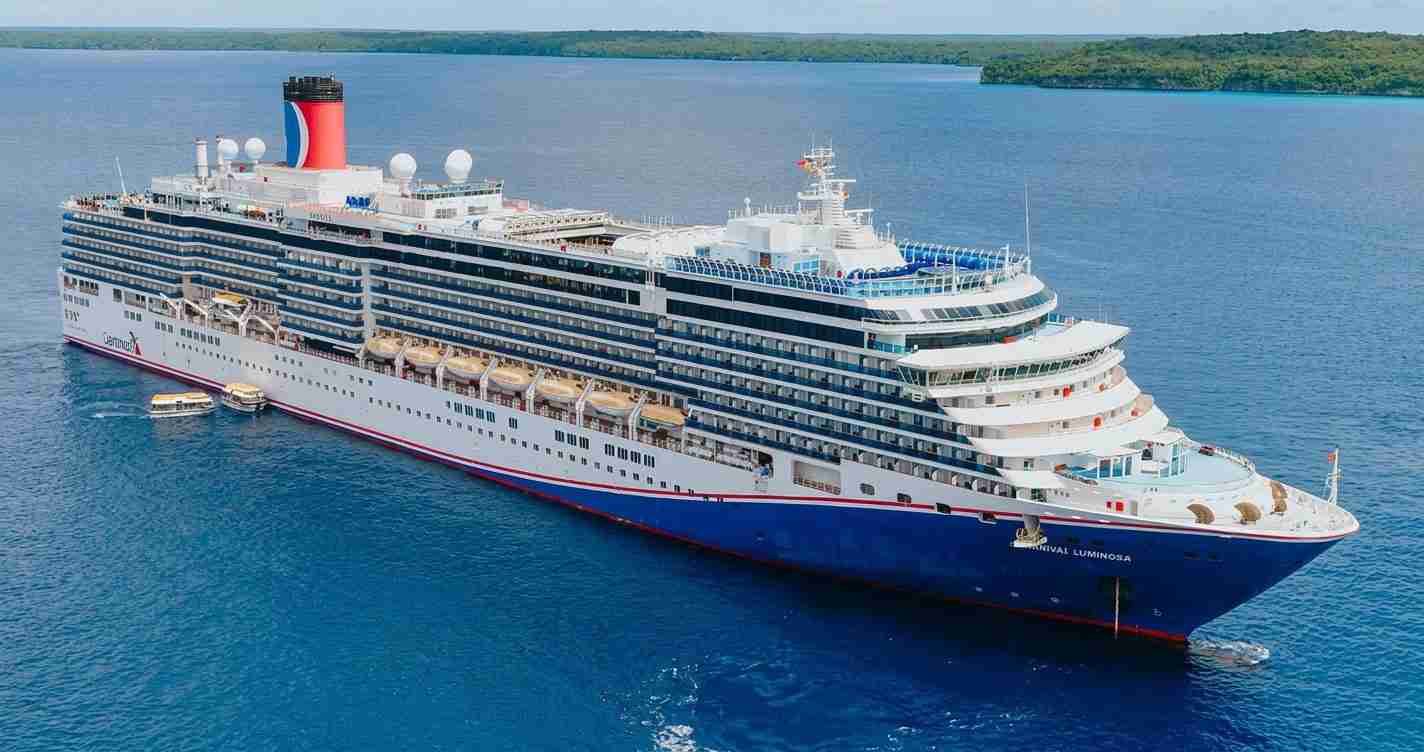
Carnival warns passengers to cover up in Lifou as cruise line stresses respect for local customs
Carnival Cruise Line warned passengers visiting Lifou, New Caledonia, to wear conservative swimwear and cover-ups ashore to respect indigenous and religious customs, noting that non-compliance could potentially jeopardize future port calls and local community relations.
Key takeaways
- Destination-specific guidance: Carnival notified guests on Carnival Splendor that Lifou asks for more conservative attire than what’s acceptable onboard—one-piece or full-coverage suits are suggested. See Carnival’s dress-code page.
- Reported restrictions: Media outlets quoted guidance discouraging G-strings, thongs, monokinis, mankinis and prohibiting topless sunbathing off-ship, per coverage by Cruise Hive.
- Respect and access: Carnival linked modest dress to cultural sensitivity and warned that ignoring local norms could affect future port access.
- Practical tips: Pack at least one modest swimsuit, light cover-ups, and follow local guides and Carnival staff when ashore.
What Carnival told passengers and what reports say
Ahead of the June 2 Lifou stop during an eight-night sailing from Sydney, passengers on Carnival Splendor reportedly received a written reminder about appropriate dress ashore. Coverage by Cruise Hive and other outlets quoted guidance that Lifou is a tribal island with proud indigenous communities and that visitors should be mindful of local, often religious, customs.
“We kindly ask guests to respect the local culture and rules in the ports we visit,” the line’s public guidance notes, while identifying Lifou as a destination where more conservative swimwear is requested.
Carnival’s public dress-code guidance
Carnival’s published swimwear rules emphasize respect for local culture and make clear that ports of call can have different standards. The company’s online guidance—see Carnival’s dress-code page—mentions Lifou among destinations where local communities ask visitors to choose more conservative swimwear such as one-piece or full-coverage suits.
Which items have been singled out in reports
Press and blog reports have been specific about swimwear reportedly discouraged ashore in Lifou. Those accounts list:
- G-strings and thongs
- Monokinis and mankinis
- Topless sunbathing
Reports add that the expectation applies beyond beaches to public areas such as markets, churches and community gathering places, aligning with Carnival’s broader reference to community requests for traditional one-piece or full-piece swimsuits near villages.
Why Carnival is emphasizing Lifou now
Carnival’s reminder appears driven by cultural sensitivity, port-access risk and an industry trend toward destination-specific reminders. Travel industry experts and local tourism officials in many destinations have grown stricter about public attire.
- Cultural sensitivity: Lifou is home to indigenous Kanak communities where modest dress and religious observance often shape public norms. See Carnival’s dress-code page.
- Port-access risk: Press accounts said Carnival warned ignoring customs could make future Lifou calls harder; local authorities can restrict visits when communities object to tourism behavior—reported by Cruise Hive.
- Industry trend: Similar measures elsewhere have included bans on camouflage clothing and restrictions in religious areas; see related travel discussions on YouTube.
Onboard rules vs. ashore expectations
Onboard Carnival’s dress code is more relaxed—dividing attire into Cruise Casual and Cruise Elegant for dining and events—while enforcement typically focuses on decency and safety. Pool decks commonly feature bikinis and revealing suits, but Carnival asks guests to wear cover-ups when moving through indoor public spaces.
Passengers should expect to change behavior ashore: a bikini acceptable by the pool may be seen as disrespectful in village areas or near churches. Practical solutions include carrying a cover-up, T-shirt, shorts or a one-piece for visits to villages, markets and community areas.
Passenger reactions and public debate
The reminder has sparked discussion online. Some passengers assert personal freedom to dress as they like, while others emphasize the obligation to respect local communities—especially in family-oriented or religious settings. Cruise message boards and social platforms show divergent views, from “Wear what you want” to calls for greater restraint in public spaces.
Balance: Carnival’s approach allows relaxed swimwear on board while urging caution and respect ashore, attempting to mediate between passengers and host communities.
How passengers can prepare for Lifou and similar ports
Practical tips from Carnival and travel advisers include:
- Pack a modest swimsuit (one-piece or full-coverage) for beach visits near villages; see Carnival’s guidance.
- Bring light cover-ups, sarongs, T-shirts and shorts for markets and community areas.
- Follow directions from local guides and Carnival staff about where conservative dress is required.
- Remember that ignoring local requests may affect a community’s willingness to host cruise ships in the future, as reported by Cruise Hive.
Sources and reporting
This article is based on Carnival’s publicly posted dress-code guidance and on coverage of the June 2 Splendor notice by cruise industry outlets. Primary sources include Carnival Cruise Line’s dress-code page and Cruise Hive, with additional context from travel commentaries and online forums (see related video discussion).
Implications for Fresno, California
Although Fresno is inland and not directly tied to cruise tourism, the Lifou advisory carries practical and cultural relevance for Fresno travelers, agencies and community groups.
Economic impact
Residents who fly to embarkation ports or travel agencies in Fresno that sell cruise packages should update clients about Lifou dress-code expectations to avoid complaints and last-minute shopping. Local travel retailers could benefit by stocking modest swimwear and cover-ups.
Political consequences
The Lifou guidance highlights broader policy conversations about cultural respect and tourism. Fresno leaders working with immigrant and indigenous communities may find parallels in educational efforts advising travelers about culturally sensitive behavior.
Social effects
Fresno’s diverse population includes Pacific Islander and Indigenous families who may welcome stricter respect for cultural norms. The debate about tourist attire ties to local discussions on public decency and family-friendly spaces.
Cultural relevance and practical applications
Fresno cultural centers, churches and schools can use this example to teach travelers about local customs. Practical steps for Fresno residents planning cruises that include Lifou or similar ports:
- Check Carnival’s website and daily ship notices for port-specific guidance: Carnival’s dress-code page.
- Pack at least one modest swimsuit and lightweight cover-ups for shore excursions.
- Talk to travel agents about destination rules when booking shore tours.
- Be prepared to change attire depending on whether you are on the ship or in village and market areas.
Conclusion
Bottom line: Carnival’s Lifou advisory is a reminder that shipboard norms do not always apply ashore. Travelers should plan, pack and act with cultural respect in mind to preserve community relationships and future port access.