
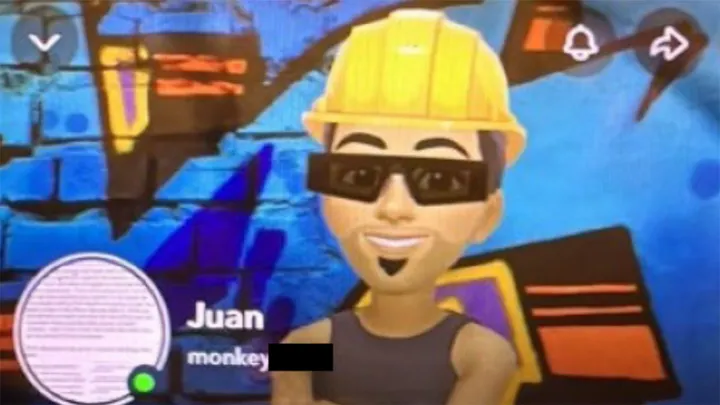
Federal prosecutors charge alleged Chicago gang member with soliciting murder of immigration officer
Lede: Federal prosecutors charged Juan Espinoza Martinez, an alleged high‑ranking Chicago gang member, with soliciting the murder of a senior Border Patrol agent tied to Operation Midway Blitz; authorities say Martinez offered payment via Snapchat.
- Defendant: Juan Espinoza Martinez, described in charging papers as a high‑ranking member of a Chicago street gang (U.S. Department of Justice press release).
- Allegation: Martinez allegedly placed a bounty on a senior immigration enforcement official involved with Operation Midway Blitz, offering money via Snapchat messages, according to prosecutors (WTTW Chicago coverage).
- Investigation: Federal and local law enforcement coordinated the probe; Martinez was arrested and faces federal charges, and the investigation is ongoing (DOJ video briefing).
Details of the charges and alleged plot
Federal prosecutors allege that Juan Espinoza Martinez used Snapchat to solicit the killing of a senior immigration enforcement official — a Border Patrol agent involved in Operation Midway Blitz. The charging document filed in federal court states Martinez placed a bounty on the agent and offered payment to anyone who would carry out the killing.
The charging document reportedly contains intercepted messages in which Martinez described explicit offers of payment; prosecutors have characterized the conduct as solicitation of murder‑for‑hire, a serious federal offense. Martinez was taken into custody and has been formally charged in U.S. District Court in Chicago (U.S. Department of Justice press release).
“Prosecutors say the messages were explicit offers of payment for murder, which is central to the murder‑for‑hire charge.”
Operation Midway Blitz: what it is and why it matters
Operation Midway Blitz is described by authorities as a multiagency initiative to disrupt organized‑crime and gang activity in Chicago. The operation brings together federal, state and local agencies to investigate and prosecute violent gangs, drug trafficking and related networks (WTTW Chicago coverage).
Officials told reporters the operation resulted in arrests and seizures tied to gang networks, increasing the profile — and potential risk — for investigators and leaders involved. Prosecutors say the alleged bounty was motivated by the agent’s role in that operation.
Snapchat, social media and recruitment
Charging documents allege Martinez used ephemeral messaging on Snapchat to communicate offers of money and to attempt recruiting others to commit violence. The use of temporary social‑media platforms has raised concerns about how gang members coordinate threats.
Prosecutors did not publicly specify whether the alleged messages were sent to known associates or strangers; the filing focuses on the explicit payment offers, which form the basis of the federal solicitation charge (U.S. Department of Justice press release).
Coordination between agencies and public‑safety response
The Department of Justice said the investigation was the product of coordination between federal agents and local law enforcement partners. That collaboration enabled authorities to monitor the alleged plot, gather digital and physical evidence, and arrest Martinez before any reported violence occurred (DOJ video briefing).
Officials have not publicly named every local agency involved. Prosecutors and spokespeople emphasized that protecting investigators and officers remains a top priority during operations like Midway Blitz.
Investigation status and public records
As of published filings and news reports, there is no public evidence that an attack was attempted or completed. Martinez faces federal charges for solicitation; the case is active and moving through the U.S. District Court in Chicago. Further details may emerge as the court docket advances and journalists or public‑records requests uncover more information (WTTW Chicago coverage).
Implications for Fresno, California
Although the alleged plot occurred in Chicago, the case carries potential implications for Fresno-area agencies and communities:
- Economic impact: Federal task‑force funding and grants tied to operations like Midway Blitz can lead to increased resources, training and equipment opportunities for local partners in Fresno.
- Political consequences: Local elected officials may review cooperation with federal partners; the case could shape campaign messaging on gang enforcement and immigration policy.
- Social effects: High‑profile threats against law enforcement can heighten community anxiety, particularly among neighborhoods affected by gang activity and immigrant populations.
- Practical guidance: Residents should follow trusted local updates, report suspicious activity to law enforcement, and consult local legal or immigrant‑advocacy groups for civil‑rights guidance.
Sources and further reading
Primary public sources cited in coverage and filings include:
Note: The case against Juan Espinoza Martinez continues through federal court; federal filings and agency statements remain the primary public record as the investigation progresses (U.S. Department of Justice press release).


