
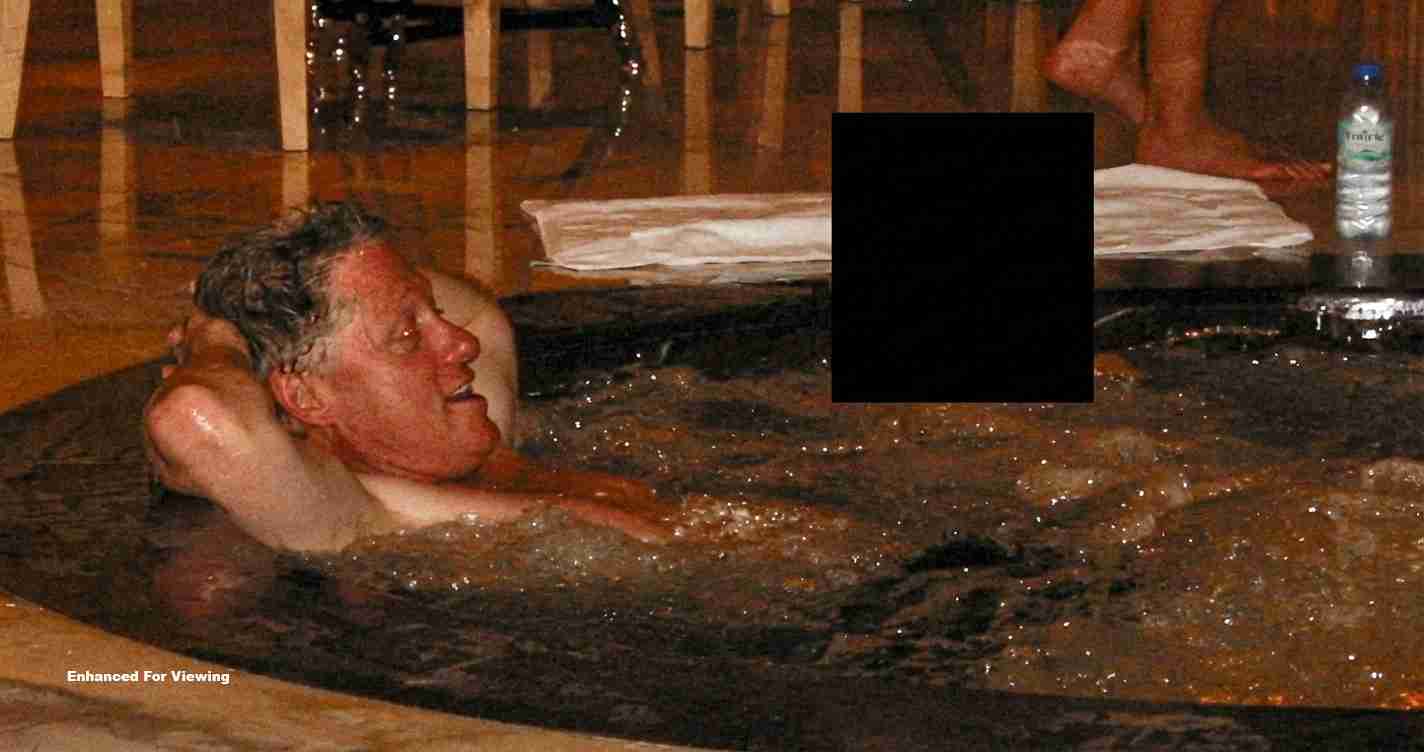
DOJ releases tens of thousands of “Epstein files” — property photos, personal images and redacted records include Bill Clinton in newly released pictures
The Department of Justice has published tens of thousands of files from the Jeffrey Epstein investigation — including property photos, personal images and heavily redacted records — revealing photographs that include former President Bill Clinton among other figures.
Key takeaways
- Epstein Files Transparency Act (H.R. 4405) required the DOJ to publish prosecution files in a searchable, downloadable format within 30 days.
- The DOJ’s public portal, the DOJ Epstein Library, contains four major data sets: property imagery, personal photos, redacted investigative documents and technical/chain‑of‑custody records.
- The personal photo collection includes images showing Jeffrey Epstein with high‑profile people, including a photo set that shows former President Bill Clinton; photos do not by themselves prove criminal conduct.
What the DOJ release includes
The DOJ says the public collection derives from evidence inventories and prosecutorial files related to Jeffrey Epstein. The release comprises tens of thousands of pages and several hundred gigabytes of digital media organized in large batches called data sets or phases to ease review and download.
Data set 1: Property and scene imagery
This batch contains thousands of photos documenting exteriors and interiors of Epstein properties, including his New York townhouse and Little St. James island in the U.S. Virgin Islands. Images show rooms, safes, computers, artwork, docks and other items noted in search warrants. Source: DOJ Epstein Library.
Data set 2: Personal photographs
This set includes informal photos taken at homes, on boats and at other locations. Images show Epstein in casual settings — shirtless on a sofa, beside helicopters, on boats — and include photos with well‑known figures, among them former President Bill Clinton. Source: DOJ Epstein Library.
Data set 3: Redacted investigative documents
These are FBI and DOJ records such as interview reports (302s), memos, search-warrant affidavits and internal correspondence. Many pages are heavily redacted to protect victim identities and other sensitive material. Source: DOJ Epstein Library and the House Oversight Committee release.
Data set 4: Ancillary and technical records
Includes chain‑of‑custody logs, inventories of seized drives and recording devices, and legal memos explaining redactions and privacy protections. Source: DOJ Epstein Library and background materials on the Epstein Files Transparency Act.
Why the release happened: the Epstein Transparency Act
Congress passed the Epstein Files Transparency Act (H.R. 4405) to make prosecution files public and to require DOJ to provide Congress with an unredacted list of government officials and “politically exposed persons” named in the documents. The bill passed the House 427–1, cleared the Senate by unanimous consent and was signed into law on Nov. 19, 2025. The law imposed a 30‑day deadline for DOJ to publish responsive records, prompting an accelerated review and redaction process.
How DOJ handled redactions and sensitive material
DOJ states it made “all reasonable efforts” to remove victim identities and to exclude child sexual abuse material (CSAM) prior to posting files online. The agency diverted staff, including counterintelligence specialists and attorneys, to the review task and processed large numbers of documents weekly to meet the statutory deadline. Some names and details remain withheld where national security or legitimate investigative interests require it. Source: DOJ Epstein Library.
House Oversight’s separate release
The House Committee on Oversight and Accountability issued its own production — 33,295 pages — which it says were provided by DOJ under subpoena. The committee, led by Oversight Chairman James Comer, maintains mirror servers to handle public interest and downloads. The committee’s release overlaps with the DOJ collection but is not identical; Congress is entitled under the law to receive more detailed, unredacted lists of “politically exposed persons.” Source: House Oversight Committee release.
What the photos show — and what they do not prove
The personal photos document Epstein’s travel and social life, showing him shirtless on sofas, on boats, and near aircraft. Some images include Epstein with well‑known public figures; among those pictured is former President Bill Clinton. Photos document presence and association, but DOJ officials caution that images alone do not prove criminal conduct by anyone shown. Investigators and legal experts stress that context — interviews, logs, receipts and other evidence — is required to determine legal culpability.
“A photograph alone does not establish criminal behavior; it is one piece of a broader evidentiary record.” — DOJ statement on the public release
How to access the files
The public collection is available via the DOJ Epstein Library. The House Oversight Committee provides its own portal and mirror access to manage heavy traffic. Users should expect large files and many redactions that protect victims and remove CSAM.
Quick links:
- DOJ Epstein Library
- House Oversight release
- Epstein Files Transparency Act (H.R. 4405)
- Background summary
Interpreting the release responsibly
Officials and journalists urge careful review. Photo evidence shows relationships and movement, but is only one piece of a larger record that includes interviews, travel logs and receipts. Redactions protect victims and obey the law. Reviewers should avoid jumping to conclusions about individuals who appear in images.
Implications for Fresno, California
Economic impact: Direct economic effects on Fresno are likely limited because the files focus on Epstein’s properties and travel records that do not center on Fresno. However, the release may prompt scrutiny of philanthropy and large donations nationwide; local nonprofits and universities may review past donations and vetting practices.
Political consequences: Central Valley members of Congress and local officials may face constituent questions about federal transparency and how the law applies to any named regional figures. The Transparency Act requires Congress to receive an unredacted list of government officials found in the files, which could raise local inquiries.
Social effects: Survivor advocates and victim-service groups in Fresno may see renewed attention and demand for resources. The public release can reopen painful discussions for survivors and increase calls for counseling and legal help.
Cultural relevance: The files feed national conversations about power, privilege and accountability, and may sharpen local debates over institutional responses to allegations against powerful people.
Practical applications for residents
- Access and use: Fresno residents can view the collection via the DOJ Epstein Library and the House Oversight mirrors; respect redactions and avoid sharing unverified claims.
- Media and records requests: Local newsrooms and watchdogs can file targeted public‑records requests or query representatives about any local ties in the files.
- Seeking help: Survivors affected by the release should contact local victim‑service providers, hotlines and mental health services for support.



