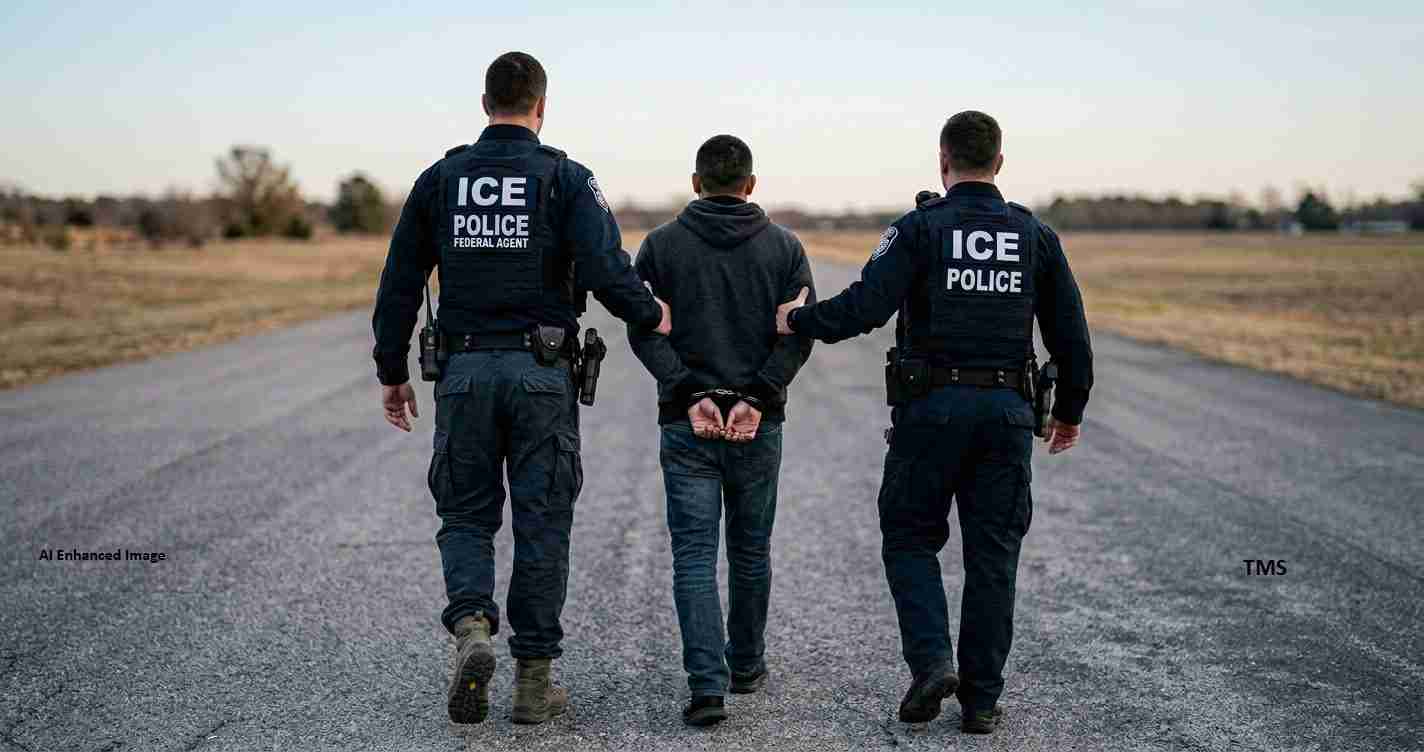
ICE arrests in Los Angeles plummet in early 2026 after 2025 surge, raising questions about enforcement shifts
ICE arrests in the Los Angeles area plunged in early 2026 after a record 2025 surge, prompting questions about shifting enforcement priorities, operational changes and the impact on Southern California communities and nearby Fresno’s labor and social networks.
Key takeaways
- Massive rise then sharp fall: Arrests jumped from about 4,684 in 2024 to roughly 14,302–14,394 in 2025, then dropped sharply in early 2026.
- Composition changed: Analysis shows 39% of those arrested had no criminal history while 61% had convictions or pending charges, drawing scrutiny of targeting choices.
- Operational and political drivers: The February 2026 decline followed public pressure after high-profile incidents and appears tied to tactical shifts toward intelligence-led operations.
Main
What the data shows
Federal records compiled by the Deportation Data Project (DDP) and reviewed by local outlets show a large spike in ICE activity across Southern California in 2025 followed by a steep fall early in 2026. The LA reporting area includes Los Angeles County plus Orange, Riverside, San Bernardino, Ventura, Santa Barbara and San Luis Obispo counties. Reporting and datasets are summarized by NationalToday, ABC7 Los Angeles and the Long Beach Post.
Monthly tallies in 2025 illustrate the enforcement intensity: arrests crested in June 2025 with nearly 2,500 arrests, then moderated through late 2025 and fell sharply in early 2026 — dropping from more than 1,500 arrests in January 2026 to 809 in February 2026. So far in 2026 ICE recorded more than 2,612 arrests in the LA area in the reporting window.
Who was arrested
The DDP analysis, cited by local reporting, provides a demographic and criminal-history profile of people taken into ICE custody during the surge:
- 39% had no criminal history (no convictions or pending charges).
- 46% had criminal convictions and 15% had pending charges — together 61% had convictions or pending charges.
- Average age: 41; 87% were men; 52% were born in Mexico.
These breakdowns have drawn scrutiny because they show a large share of people removed from communities without a criminal record — a shift researchers link to the jump in total arrests (Long Beach Post).
Why arrests fell in early 2026
The sudden February decline followed public pressure after the deaths of protesters Renee Good and Alex Pretti in Minneapolis, which prompted calls for federal officials to scale back aggressive tactics. Immigration attorneys reported ICE “pulled back in general” and shifted toward “more intelligence, more data gathering to look for people who have removal orders.” Analysts point to a mix of public scrutiny, tactical recalibration and resource shifts as likely drivers (ABC7, NationalToday).
DHS response and disputes over the data
The Department of Homeland Security (DHS) disputed some interpretations of the DDP data, saying the agency focuses on arresting and deporting “criminal illegal aliens including murderers, rapists, pedophiles, gang members, and terrorists.” DHS cautioned that the Deportation Data Project relies on raw information not reviewed or audited by the department and said DDP methodology and conclusions have not been verified. Agency spokespeople have argued that a majority of arrests nationwide had convictions or pending charges, disputing some DDP findings (ABC7, Long Beach Post).
Broader research and context
Independent academic analyses show an inverse relationship in 2025: as ICE arrests rose, the share of people with criminal records fell — dropping to about 37% in the first 10 months of 2025 and roughly 30% by October 2025. University reporting and reviews from University of Colorado and UC Berkeley document those trends.
Other reporting documents a rise in ICE detentions of Latino immigrants beginning in January 2025 and at least six deaths and multiple fatal shootings tied to ICE operations through early 2026 — events that increased public scrutiny and legal attention (American Immigration Council, UCLA Luskin Center).
Implications for Fresno, California
Economic impact: Fresno’s large agricultural and service economy depends in part on immigrant labor. A return to high-volume ICE arrests in the broader Central Valley could reduce available workers, raise labor costs, and disrupt planting and harvest cycles. The recent drop in LA-area arrests may offer temporary easing for labor networks tied to Fresno, but businesses remain vulnerable to renewed enforcement spikes (NationalToday, ABC7).
Political consequences: Fresno’s moderate voters and local officials will watch federal enforcement patterns closely. Large arrests or high-profile operations can become campaign issues; local leaders may press congressional delegates for clearer guidance or funding for legal aid and community resources (Long Beach Post).
Social and cultural effects: Enforcement spikes have produced fear, reduced trust in institutions, interrupted schooling and health care use, and strained family networks. Community organizations, churches and schools may need to expand supports if operations resume.
Practical applications: Local service providers in Fresno should prepare contingency plans — legal aid organizations may see higher demand, school districts and employers can update guidance on students’ and workers’ rights, and clinics can prepare for patient-flow changes. Monitoring DDP and DHS trends will help officials plan for sudden shifts.
Reporting note
This article relies on federal arrest records compiled by the Deportation Data Project and reporting from local outlets. DHS and ICE have not formally verified the DDP’s methodology or findings and have disputed parts of the analysis; journalists and officials should review multiple sources and agency statements (ABC7, Long Beach Post).
Sources and documentation
- NationalToday coverage summarizing DDP data
- ABC7 Los Angeles reporting
- Long Beach Post analysis
- University of Colorado report on national arrest composition
- UC Berkeley evidence review on arrest trends
- American Immigration Council overview of ICE-related deaths and shootings
- UCLA Luskin Center report on Latino detentions
“Data show a dramatic enforcement spike in 2025 and a rapid recalibration in early 2026 — the composition of arrests and operational choices raise questions about targeting and community impacts.”
Reporting note: All factual figures and source URLs above are preserved from federal records and local reporting cited in this piece.