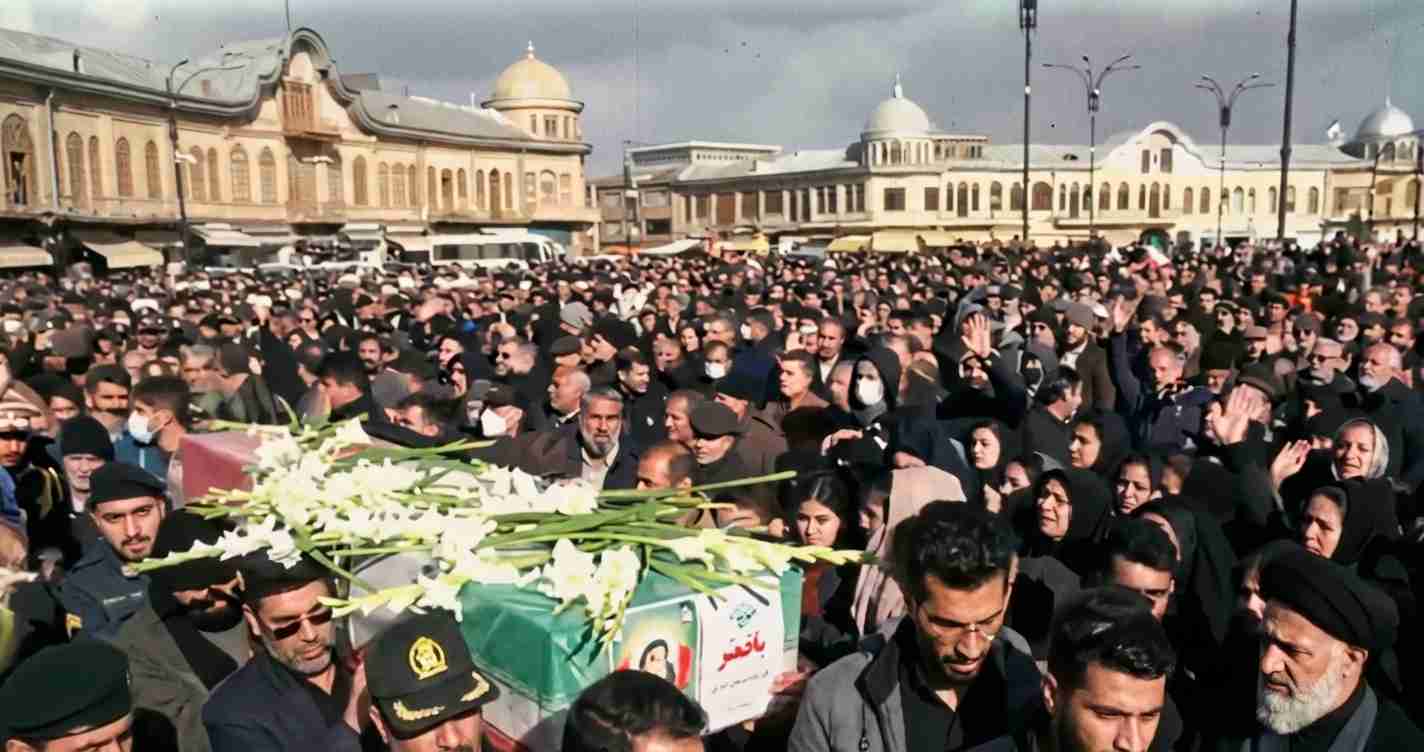
Iran set to hang protester in what would mark first execution tied to anti-regime demonstrations
Erfan Soltani, 26, has been scheduled for execution on January 14, 2026, after his arrest during protests in Fardis, Karaj on January 8, 2026; rights groups say a rushed Revolutionary Court trial and lack of counsel violated due process.
Key takeaways
- Execution scheduled: Erfan Soltani, 26, arrested Jan. 8, 2026, is set to be executed Jan. 14, 2026.
- Charge: Convicted of moharebeh — “waging war against God” — a capital offense under Iran’s penal code.
- Rights concerns: NGOs report a fast-tracked trial, limited access to counsel and blocked appeals; organizations warn this would be an escalation against protesters.
- Verification limits: Reporting hampered by internet blackouts and restricted access; multiple NGOs and regional outlets provide the primary accounts.
Arrest, trial and the charge
Arrest: Human rights groups state Soltani was detained during street protests on January 8, 2026 in Fardis, Karaj, near Tehran. Sources reporting on the case include Iran Human Rights (IHRNGO), the NDTV report and the Hengaw Organization for Human Rights.
Trial: NGOs report Soltani was tried in Iran’s Revolutionary Court in an accelerated process with minimal access to legal representation and restricted avenues for appeal. The court reportedly convicted him of moharebeh — commonly translated as “waging war against God” — a charge that carries the death penalty (NDTV report, regional agency report).
Family notification: Rights groups report that family members were informed days after the arrest that the sentence was final and that Soltani was allowed a brief final visit. Those accounts are based on NGO monitoring and have not been independently confirmed due to severe communication restrictions inside Iran (video briefing, regional agency report).
Protest context and scale
The arrest and sentence come amid a wave of demonstrations that began in late December 2025 over economic distress and political grievances. Reports indicate unrest continued into January 2026 under intermittent internet blackouts, complicating outside verification (NDTV report, video report).
Human rights monitors provide differing casualty and detention figures: Iran Human Rights (IHRNGO) reported at least 648 deaths, including nine minors, while other groups reported 544 deaths and more than 10,600 detentions. The range reflects barriers to independent reporting during the blackout (IHRNGO, regional agency).
NGO warnings and calls for action
NGO stance: IHRNGO, the National Union for Democracy in Iran (as cited), and the Hengaw Organization for Human Rights have confirmed the Soltani case and denounced it as a tactic to intimidate protesters.
“His only crime was calling for freedom for Iran,”
— statement cited by the NDTV report
Groups warn the prosecution and use of capital charges mirror earlier harsh repression and could represent a mass-scale human rights violation; they urge international governments and bodies to intervene to stop the execution (IHRNGO, Hengaw).
Verification limits and sources
International rights groups and media caution that Iran’s communication blackouts and restrictions on independent journalists limit outside confirmation. Multiple NGOs and regional outlets report the accelerated timeline and family notifications, but no official Iranian government statement confirming the execution appeared in reviewed sources (video briefing, NDTV report, Hengaw, Fox News overview).
An online clemency effort — a Change.org petition — had recorded signatures at the time of reporting, reflecting digital activism calling for international pressure to halt the sentence.
Regime response and wider messaging
State-aligned forces have staged pro-government rallies and officials, including Supreme Leader Ayatollah Ali Khamenei, have described the unrest as instigated by “foreign enemies” seeking to destabilize Iran. Authorities frame the events as part of a broader security narrative used to justify countermeasures and arrests (NDTV report).
Why rights groups call this an escalation
Human rights organizations argue that applying the death penalty to someone linked to public protest marks a severe escalation. They emphasize international law standards for fair trials, access to counsel and transparent procedures — all of which they say were not met in Soltani’s case. Using moharebeh against demonstrators creates a chilling precedent that could deter public dissent (IHRNGO, Hengaw).
Coverage and reporting sources
This article draws on reporting and statements from multiple organizations and outlets, including:
- Iran Human Rights (IHRNGO)
- NDTV (media report citing NUFD and others)
- Hengaw Organization for Human Rights
- Regional agency coverage (Mezopotamya)
- Fox News overview compiling NGO reporting
- Video statements and briefings (recorded)
- Additional video report
- Public petition seeking clemency
Implications for Fresno, California
Economic impact: Fresno’s economy—centered on food processing, agriculture and trade—won’t be directly altered by a single Iranian legal case, but broader geopolitical tensions and sanctions can affect trade costs, energy prices and shipping, indirectly affecting local exporters and farmers.
Political consequences: Fresno’s engaged and diverse electorate includes members of the Iranian diaspora and Middle Eastern immigrant communities. Local officials may face constituent pressure to issue statements, hold town halls, or press federal representatives to act.
Social effects: Human rights crackdowns abroad often spark vigils, protests and solidarity events in diaspora communities. Fresno-based civic and social service groups may see increased demand for counseling, legal assistance and community dialogue.
Cultural relevance: The case touches on universal civic principles—due process, limits on state power and rights to peaceful protest—that resonate with Fresno cultural and faith organizations and advocacy groups.
Practical applications for residents
- Connect with local human rights or immigrant-support organizations and attend peaceful vigils or solidarity events.
- Join letter-writing campaigns to federal representatives or sign public petitions such as the Change.org petition.
- Rely on multiple reputable sources when sharing information due to reporting limits inside Iran; verify before amplifying.
- Seek support from community centers or legal aid groups if personally affected by developments.
Why Fresno should pay attention
Although the case involves Iran, its implications for rule-of-law principles, civil liberties and the right to peaceful protest are broadly civic concerns. Monitoring developments, supporting fact-based local dialogue and channeling civic energy into lawful advocacy align with Fresno’s values of fairness and civic engagement.
Reporting note: Details in this article are drawn from the cited NGOs, regional outlets and recorded briefings. Due to communication restrictions within Iran, some specifics remain unverified.