
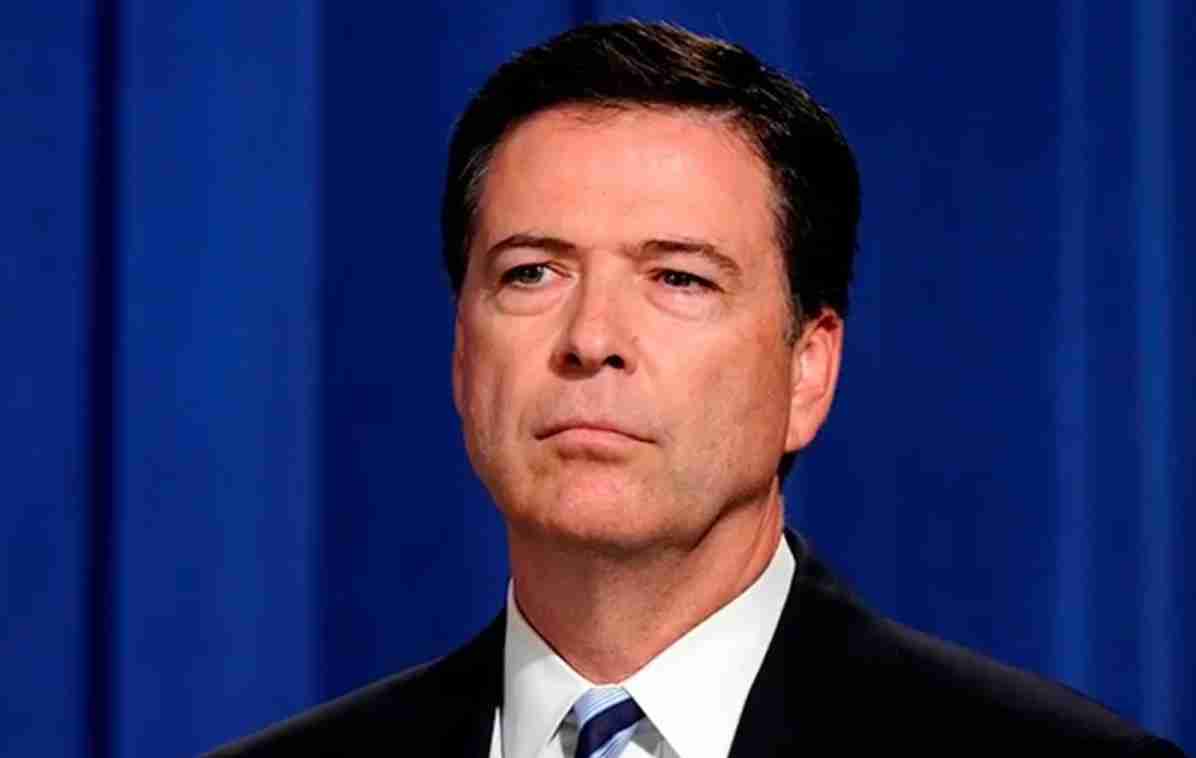
James Comey indicted on false statements, accused of obstructing congressional probe into Russia inquiry
Former FBI Director James Comey was indicted in the Eastern District of Virginia on Sept. 25, 2025, on felony counts of making false statements to Congress and obstructing a congressional proceeding tied to Crossfire Hurricane testimony.
- Who: Former FBI Director James Comey.
- What: Indicted on two felony counts — making false statements to Congress and obstructing a congressional proceeding.
- Where/When: U.S. District Court, Eastern District of Virginia; indictment filed Sept. 25, 2025, just before the five‑year statute of limitations expired.
- Why it matters: Allegations concern Comey’s 2020 congressional testimony about authorizing anonymous FBI contacts with the press during the Crossfire Hurricane matter.
Charges and allegations
Prosecutors presented evidence to a grand jury that returned two counts: obstructing a congressional proceeding and making a false statement to Congress. The indictment alleges the false statement occurred during Comey’s Sept. 30, 2020 testimony when he denied authorizing any FBI personnel to serve as anonymous sources for news stories. The Justice Department filing contends Comey had approved such contact about an FBI probe, a claim reported by national outlets and affiliates (Axios; local‑affiliate reporting).
Obstruction count
The obstruction allegation centers on a congressional investigation into disclosures tied to Crossfire Hurricane, the FBI’s 2016 probe into possible Russian interference and related contacts. Prosecutors say Comey acted to prevent or impede that inquiry. Documents show prosecutors sought an additional count that the grand jury did not return (local‑affiliate reporting).
Legal and political context
The timing — filed just before the five‑year statute of limitations for the alleged false testimony would have expired — drew immediate scrutiny. The prosecution followed a recent period of internal change at the Justice Department, including installation of an acting U.S. attorney viewed by some observers as aligned with former President Donald Trump. That context has fueled debate about whether political pressure influenced the charging decision (coverage of Justice Department staffing and decision‑making).
Grand jury and prosecutorial notes
Media reports indicate some prosecutors and at least one senior department official expressed concerns about the case’s strength. Still, at least twelve grand jurors concluded probable cause existed to indict on the two returned counts. Reports also note prosecutors considered additional charges that the grand jury declined to return (local‑affiliate reporting).
Reactions so far
Former President Donald Trump praised the indictment as “justice,” using strong language to criticize Comey and suggesting the action vindicated him and his allies (Axios). Comey had not issued a public statement when the indictment was unsealed; his legal team had not provided substantive public comment as of late September, with at least one report noting they had received no updates from DOJ as of Sept. 24 (coverage of Justice Department staffing and decision‑making).
“This is an almost unprecedented move,” legal observers said, noting the rarity of indicting a former FBI director for actions taken while leading the bureau.
Case background and why it matters
At issue is how the FBI handled sensitive information and media contacts during the politically charged aftermath of the 2016 election. Supporters of the Crossfire Hurricane probe described it as a legitimate national security inquiry; critics said the bureau improperly influenced politics. This indictment brings those disputes into a criminal forum and raises questions about DOJ independence and prosecutorial judgment (Axios).
What happens next
Comey will be arraigned in federal court and may enter a plea. The defense is likely to file pretrial motions, including motions to dismiss or to challenge evidence. Expect prolonged litigation, potential appeals, and broad media coverage. Key evidence will likely include internal DOJ memos, communications by FBI officials, and witness testimony (local‑affiliate reporting).
Implications for Fresno, California
Economic impact: Direct effects on Fresno are limited; the case will be litigated in Virginia. Indirectly, national media interest may benefit regional outlets and freelance journalists.
Political consequences: The indictment could energize voter discussion in Fresno and prompt local officials to respond to constituent concerns about DOJ independence and federal oversight.
Social effects and public trust: Community organizations and residents may debate trust in federal law enforcement and whether politics affects federal investigations and public-safety resources.
Practical applications: For most residents, daily life will not change. Local leaders and candidates may incorporate the case into broader conversations on checks and balances and federal policy priorities.
Reporting and sources
This article is based on federal court documents and reporting by national outlets. Key sources include Axios, local‑affiliate reporting, and coverage of Justice Department staffing and decision‑making. Further court filings and attorney statements are expected as the case proceeds.



