
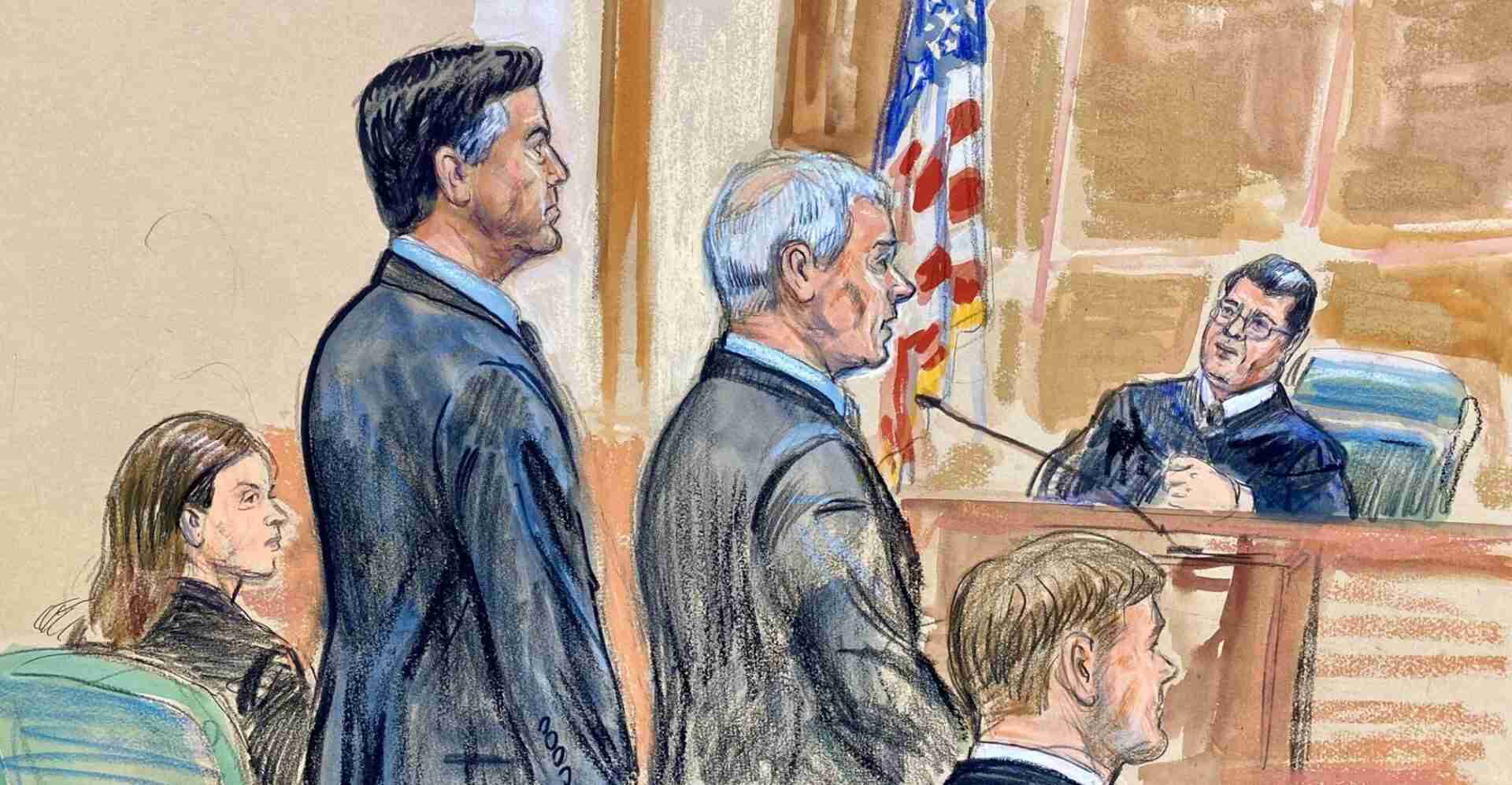
Judge’s discovery pressure deepens flaws in Trump administration’s James Comey prosecution, experts say
Alexandria, Virginia (Times Media Service) — Judicial scrutiny of discovery has amplified legal experts’ concerns that President Trump’s public pressure and unusual personnel moves undermined the prosecution of former FBI director James Comey, creating serious constitutional and evidentiary vulnerabilities that could doom the case.
- Political intervention: Experts say presidential statements and personnel changes suggest charges were driven by politics, not independent legal judgment.
- Prosecutorial red flags: An initial declination by the Eastern District of Virginia office followed by a replacement prosecutor has raised questions about DOJ independence.
- Legal exposure: Defense theories of selective and vindictive prosecution, plus judge-led discovery, could substantially weaken or end the case.
Why experts call the case weak
Legal analysts point to multiple, interlocking problems. First, there is extraordinary presidential involvement: President Trump publicly urged action against figures including Comey, a dynamic that critics say risks turning charging decisions into political theater rather than neutral law enforcement. The Brennan Center has warned about the peril of “subservient prosecutors” acting under political direction.
Second, the Eastern District of Virginia initially declined prosecution. The original U.S. attorney, Erik Siebert—a Trump appointee—decided evidence did not support an indictment and career prosecutors circulated a declination memo. Trump then replaced Siebert with Lindsey Halligan, a lawyer with limited prosecutorial experience, who filed the indictment. Observers say that personnel maneuver is a classic indicator of political motive rather than neutral legal judgment (CBS News).
“The president won’t shut up,” former Judge John Jones said, suggesting presidential comments are likely admissible and damaging to the prosecution’s posture (see The Daily Beast).
Prosecutorial misconduct and DOJ independence concerns
Constitutional and institutional alarms: Constitutional scholars and former prosecutors emphasize how the sequence of events — declination, public presidential pressure, and replacement of the U.S. attorney — fuels a narrative of politicized charging that undermines Department of Justice independence. The Brennan Center frames the indictment as emblematic of the danger posed by prosecutors who answer to politics.
Former federal prosecutor Randall Eliason called the flip-flop in the Virginia office “all kinds of red flags,” a view that echoes widespread concern that politically motivated prosecutions could chill independent enforcement and damage public trust (The Daily Beast).
Evidentiary hurdles at trial
Even if a motion to dismiss fails, prosecutors must still convince a jury beyond a reasonable doubt. Comey has retained seasoned counsel, including former U.S. Attorney Patrick Fitzgerald, and the defense will press on perceived gaps in the government’s proof. A noteworthy sign of difficulty: a grand jury declined one of three proposed counts, an unusual result that defense teams can use to argue the remaining counts are weak (CBS News).
Defense strategy will focus on: (1) establishing political motive, (2) highlighting investigative gaps, and (3) asking judges to exclude or limit presidential statements and any tainted evidence discovered through questioned processes.
Judges, discovery and courtroom pressure
Media reporting suggests judges in high-profile matters are increasingly pressuring parties on discovery and evidence. Publicly available reporting does not yet show detailed accounts of specific discovery pressure in Comey’s case, but legal observers warn that any judge-led scrutiny that forces full disclosure could expose prosecution weaknesses early and be dispositive before trial (The Daily Beast).
Voices from the bench and bar
Retired judges and scholars have been unambiguous. Judge John Jones suggested Comey has a credible vindictive prosecution argument, while Judge Shira Scheindlin labeled the prosecution “clearly vindictive,” pointing to the pattern of public pressure and personnel changes as evidence of targeting regardless of legal merit (The Daily Beast).
CBS News documented the declination memo and the unusual replacement of the U.S. attorney who declined to prosecute with a lawyer willing to bring charges — a sequence critics call more vendetta than independent judgment (CBS News).
Implications for Fresno, California
- Local trust in justice institutions: Fresno residents may lose confidence in federal prosecutors if high-profile cases appear politically driven, complicating federal-local cooperation.
- Political consequences: The case may spur local leaders and voters to defend DOJ norms and pressure elected officials to protect prosecutorial independence.
- Social effects: Polarized media coverage could fray community relations and deepen skepticism about federal investigations.
- Economic and practical impacts: Concerns about DOJ independence could influence corporate cooperation with federal regulators and affect businesses that depend on federal contracts.
- Cultural relevance: Allegations of politically motivated prosecution conflict with Fresno’s community norms of fair play and rule of law, potentially prompting civic responses.
What to watch next
Observers will follow:
- Motions to dismiss: Any filings that challenge prosecutorial motives or allege selective/vindictive prosecution.
- Discovery orders: Judicial orders compelling disclosure that could reveal internal communications about presidential statements or personnel changes.
- Court rulings on admissibility: Decisions about whether the president’s comments may be introduced as evidence.
- Precedent risks: Outcomes that clarify how far a president may go in urging prosecutions without breaching DOJ independence.



