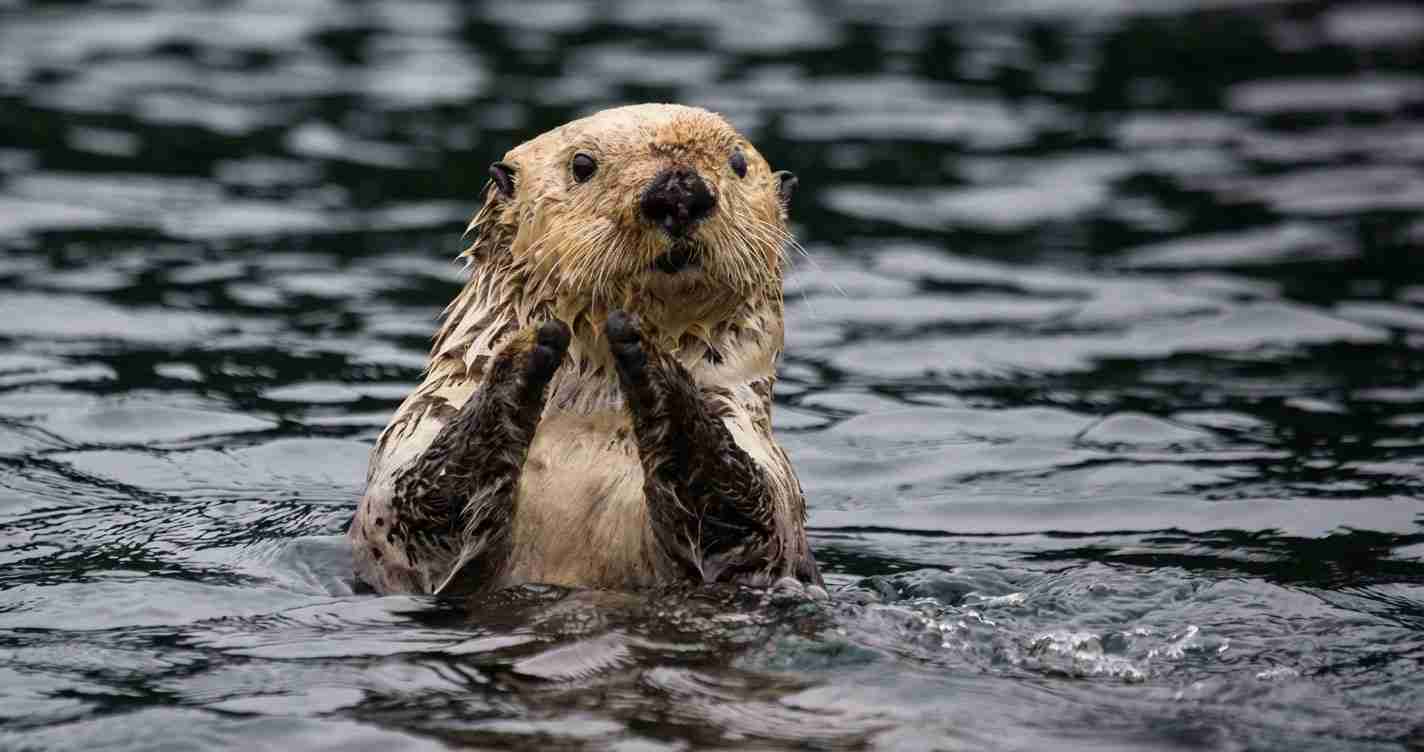
Where to see baby sea otters in Santa Cruz — and how to watch them ethically
Santa Cruz is one of Monterey Bay’s best places to spot southern sea otters, including newborn pups. This guide lists reliable viewing sites, ethical practices and nearby hotspots to help visitors observe otters safely and responsibly.
Key takeaways
- Southern sea otters (Enhydra lutris nereis) breed year-round; the largest pupping season runs from late winter into early spring.
- California’s sea otter population has rebounded to roughly 3,000 individuals but remains endangered and protected in Monterey Bay.
- Human disturbance matters: experts urge viewers to stay at least 60 feet (18 meters) away, giving mother–pup pairs extra space.
- For better sightings without disturbance, bring binoculars, visit early and join guided or staffed viewing options.
Where to look in Santa Cruz
Santa Cruz’s coastline offers reliable shore-based vantage points for observing otters. Visit calm mornings and low tides, use optics and always prioritize distance.
- Santa Cruz Wharf — elevated, family-friendly views; otters often rest near pilings. See related observations from Ocean Safaris.
- Natural Bridges State Beach — kelp beds and tide pools are prime feeding and resting habitat; low tides increase chances of seeing mothers and pups.
- Steamer Lane and nearby cliffs — famed surf spot with playful otters (including local individuals such as Otter 841); cliffs offer vantage points but viewers must avoid drawing animals closer.
- Coastal cliffs and kelp forests — otters anchor rafts in kelp; coastal trails at dawn or guided cruises improve sightings without intrusion. See local habitat notes from Santa Cruz Whale Watching and Santa Cruz County wildlife guide.
Nearby Monterey County hotspots
Monterey Bay’s adjacent shores concentrate otters in predictable places — excellent for day trips from Santa Cruz.
- Moss Landing and Elkhorn Slough — high-density rafts and guided kayak tours provide informed, low-impact viewing.
- Fisherman’s Wharf, Cannery Row and the Monterey Bay Coastal Trail — shore paths and tours frequently encounter feeding and socializing otters.
- Lovers Point Park — calm waters for paddling; operators stress respectful distance.
- Point Lobos State Natural Reserve (Carmel) — hikes to coves like Sand Hill and Whalers offer shoreline otter viewing.
- Monterey Bay Aquarium — reliable exhibits when field conditions limit sightings.
Other Pacific Coast locations worth knowing
Beyond Monterey Bay’s central coast, several programs support viewing and recovery efforts.
- Elkhorn Slough and Moss Landing — top spots for numbers and guided eco-tours.
- Morro Bay State Park — official viewing stations during Sea Otter Awareness Week and volunteer-led spotting.
- Pacific Grove and other Central Coast towns — partner events with trained volunteers for ethical viewing.
- Emerging northern efforts — groups such as regional alliances and organizations are engaged in reintroduction planning and monitoring to expand awareness beyond California’s central coast.
Why ethics matter: disturbance, Otter 841 and the science
Close human contact alters otter behavior and can force animals to expend energy they need to survive and care for pups. Local reporting has shown how interactions can escalate and harm vulnerable individuals.
“Human-caused disturbances are alarming and could be fatal to the sea otters if the disturbance causes them to over-expend energy, especially mothers who need energy reserves to have the strength and stamina to feed and raise their young pups,” said Gena Bentall, director of Sea Otter Savvy, as cited in local reporting. Read the reporting.
Guidance: federal and local partners recommend keeping at least 60 feet (18 meters) distance and giving mothers and pups extra space when possible.
How to view otters ethically and get the best sightings
- Keep your distance. Use optics; the 60-foot rule is the minimum — give mothers and pups more space.
- Visit early. Calm water and low sun angles help you spot otter heads and rafts more easily; plan for morning sessions (Ocean Safaris).
- Join guided options. Staffed viewing stations, licensed boat or kayak tours and guided walks reduce disturbance and provide education (Sea Otter Savvy; Santa Cruz Whale Watching).
- Avoid feeding or touching. Do not throw food or objects — it changes behavior and increases disease and safety risks (local reporting).
- Respect signage and volunteers. During events like Sea Otter Awareness Week, follow expert guidance (Sea Otter Savvy).
Implications for Fresno, California
Fresno is inland, but sea otter recovery and ethical viewing have direct ties to Central Valley communities through economics, policy and education.
Economic impact
Day trips and extended visits from Fresno support coastal hotels, restaurants and tour operators. Promoting ethical sea otter viewing helps sustain eco-tourism revenue while protecting the resource that draws visitors (See Monterey).
Political and policy consequences
Inland voter priorities can influence funding for coastal conservation. Fresno water and land-use policies also have downstream impacts that affect coastal ecosystems and species recovery.
Social and cultural effects
Sea otter recovery offers educational opportunities for Fresno schools and nature centers and creates avenues for volunteerism, citizen science and partnerships linking inland communities with coastal groups (Sea Otter Savvy).
Practical applications for Fresno residents
- Plan responsible visits: Choose licensed tours, stay on marked trails and bring optics to avoid risky close approaches (Santa Cruz Whale Watching; See Monterey).
- Spread the word: Encourage friends and family to follow guidance from Sea Otter Savvy and federal agencies when visiting Santa Cruz and Monterey.
Sources and further reading
- Santa Cruz County wildlife guide
- Lookout reporting on local otter interactions and expert warnings
- Ocean Safaris Santa Cruz wildlife guide
- Monterey County sea otter viewing guide
- Sea Otter Savvy viewing stations and awareness week
- Santa Cruz Whale Watching marine life
- Santa Cruz Wharf guest reviews and sightings
For those traveling to Monterey Bay this pupping season, Santa Cruz offers reliable spots for viewing baby sea otters — but the best wildlife experience is also the safest for the animals: observe with distance, patience and respect.