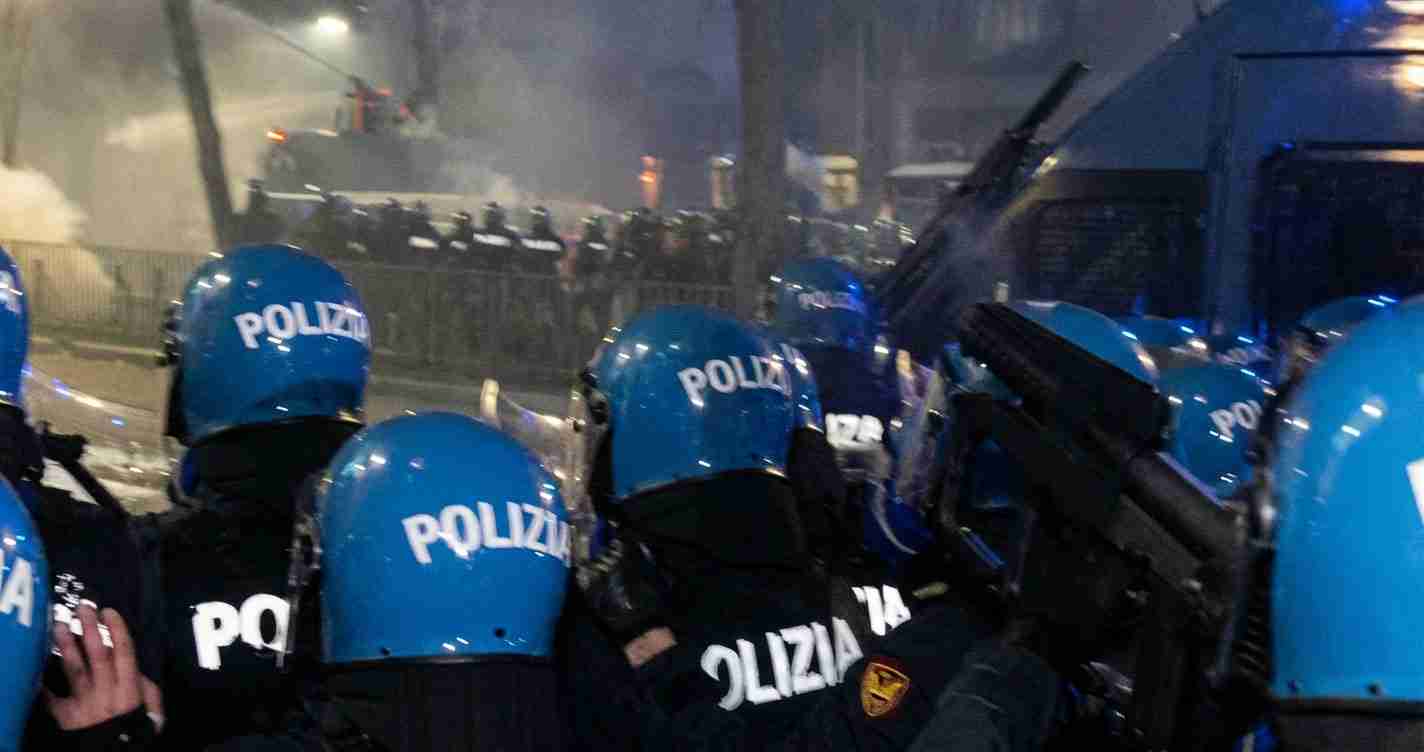
Violent Turin riots after Askatasuna eviction leave scores of police injured; Giorgia Meloni condemns violence and vows firm response
Turin erupted in violent clashes on Jan. 31, 2026, after police evicted the long-occupied Askatasuna social center; far-left demonstrators attacked officers, leaving scores injured and prompting Prime Minister Giorgia Meloni to demand a firm state response.
- Large march turned violent: An estimated 15,000–20,000 attended a solidarity march for Askatasuna, with a masked black bloc launching coordinated attacks on police.
- Injuries and damage: Reports vary — from dozens to more than 100 police injured; many civilians treated and substantial property damage reported.
- Government vows action: Prime Minister Giorgia Meloni visited injured officers, called the attacks an assault on the state and pledged tougher public-safety measures.
- Investigations ongoing: Authorities report evidence of coordination and have made arrests and exclusion orders while pursuing further prosecutions.
How the protest unfolded
Organizers said the demonstration began as a march in solidarity with Askatasuna, the decades-long far-left social center evicted in December. Crowd estimates ranged from 15,000 to 20,000 people from across Italy and parts of Europe. Many protesters remained peaceful, but a coordinated black bloc of masked demonstrators launched violent attacks during the rally, according to reporting by Brussels Signal.
Video and photo evidence
Clips and images circulated online showing groups in black throwing objects, pushing police lines and riot police amid red smoke. One widely shared video shows an officer struck with a hammer, sustaining helmet and facial damage. See the Video footage from the scene and additional coverage by Brussels Signal.
Types of violence and damage reported
Authorities and media described a broad array of attacks: objects hurled at police, fireworks, homemade incendiary devices (including Molotov cocktails and nail-filled devices), fires set to rubbish bins and even a police armored vehicle. Protesters reportedly used street furniture, paving slabs and uprooted lampposts as weapons. Banks, shops and public spaces were damaged during the unrest, according to reporting by Brussels Signal and Anadolu Agency.
Police response and public order measures
Security forces used tear gas, water cannons and charges to regain control after clashes that lasted over an hour in parts of the city. Police said they intercepted knives, batons and heavy tools before and during the event, and later issued exclusion orders to suspected troublemakers. Two arrests were reported immediately after the riots; investigations continue to identify those behind the worst attacks (Brussels Signal; Anadolu Agency).
Discrepancies in injury counts
Figures for injured officers and civilians vary widely. Anadolu Agency reported 29 officers hospitalized, while other outlets ranged from at least 11 officers injured to reports of as many as 108 security personnel hurt. The range reflects chaotic conditions and ongoing official tallies (Brussels Signal; Fox News).
Background: Askatasuna and the eviction
Askatasuna operated as a far-left social center in Turin for nearly three decades. Authorities moved to evict the group after activists occupied and vandalized the offices of La Stampa, accusing the paper of pro-Israel bias. Experts describe Askatasuna as a hub for anarchists, communists, pro-Palestinian groups and Antifa networks in Italy and Europe; the eviction became a flashpoint for supporters and opponents alike (Brussels Signal; Fox News).
Government and political reaction
Prime Minister Giorgia Meloni visited injured officers at a Turin hospital and posted photos on her X account, condemning the unrest as an assault on the state. She said rioters “were there to kill us,” and described the attackers as organized criminals using hammers, Molotov cocktails and other deadly tools. Meloni chaired a public-safety meeting and vowed a firm response (Brussels Signal).
Interior Minister Matteo Piantedosi called the protesters a “danger to democracy” and accused political opponents of shielding violent elements. Deputy Prime Minister Matteo Salvini urged rapid arrests and tougher measures, including evictions and a broader security package. President Sergio Mattarella and senior security commanders expressed solidarity with police and warned against attacks on public order (Anadolu Agency).
Voices from the left
Left-leaning groups and some marchers framed the action as solidarity with Askatasuna and resistance to what they call creeping militarization and repression. A left outlet criticized state efforts to criminalize dissent and described the eviction as an attack on freedom of assembly. At the same time, mainstream labor unions and many progressive voices condemned the violence and urged peaceful protest (People’s Dispatch).
Ongoing investigations
Investigations are underway to identify those who planned and executed the most violent acts. Authorities reported evidence of coordination, including distribution of explosives and heavy tools among some groups during pauses in the march. Officials said they will press charges and seek exclusion orders and preventive measures for suspected organizers (Brussels Signal; Anadolu Agency).
Implications for Fresno, California
While direct economic effects in Fresno are limited, the Turin riots underline risks when long-running squats or activist centers are closed. Local city leaders and businesses should monitor protests tied to national or international causes; disruptive demonstrations can affect foot traffic, small retailers and downtown services.
Political consequences: The events may shape debates in Fresno about public safety and policing, creating pressure for both stronger police tools and protections for protest rights.
Social effects: International issues (from Palestine to press freedom) can mobilize local activists. Community groups, religious organizations and student groups in Fresno could see renewed organizing efforts; agencies and nonprofits should prepare for peaceful solidarity actions and the risk of fringe escalation.
Practical applications: Residents and institutions should track permits for large marches, prepare communication plans for businesses and schools near protest routes, and coordinate with police and community leaders on de-escalation. Local law enforcement can review crowd-control training and evidence-handling protocols while civil-liberty groups press for transparency.
Sources and further reading
- Brussels Signal: Far-left riots shake Italy
- Anadolu Agency: 29 Italian police officers injured in clashes at Turin protest
- Fox News: Italy rocked by anarchist-led riots; more than 100 police injured
- Video footage from the scene
- People’s Dispatch: Partisan Turin rises against militarization and repression
Reporting for this story drew on local media, international news services and open-source video and photo material. Investigations by Italian authorities are ongoing and official figures may be updated as inquiries proceed.