
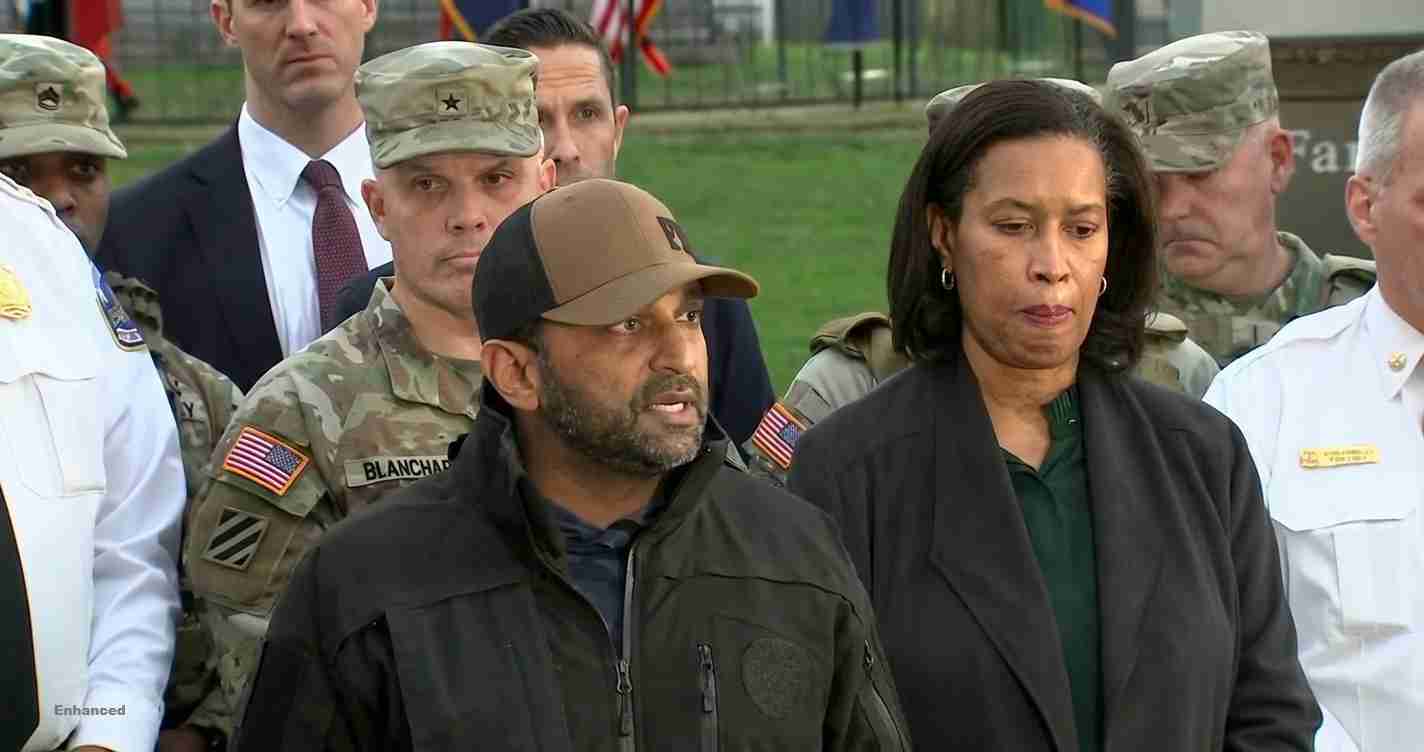
White House shooting suspect worked with U.S. forces and CIA-linked partner unit in Afghanistan, officials say — suspect named as Rahmanullah Lakanwal
Rahmanullah Lakanwal, a 29-year-old Afghan national with prior ties to U.S. military and CIA-linked forces in Afghanistan, has been identified as the suspect in the November 26, 2025 shooting near the White House that critically injured two National Guard soldiers.
Key takeaways
- The suspect: Law enforcement named Rahmanullah Lakanwal, 29.
- Afghanistan ties: Officials say Lakanwal worked with U.S. military units and a CIA-backed partner force in Kandahar, including the Kandahar Strike Force.
- Victims and probe: Two National Guard soldiers were critically wounded; the FBI is treating the case as a potential international terrorism probe (Time magazine; video reporting).
- Presidential reaction: President Trump called the attack “a heinous assault” and described it as “an act of terror.”
Main content
Background on the suspect
Law enforcement sources and reporting identify the man taken into custody as Rahmanullah Lakanwal, an Afghan national who arrived in the United States during the evacuation of Afghan allies. He was born in Kabul in 1996 and later lived in Alexandria, Virginia, where neighbors described him as increasingly withdrawn in recent months.
Reporting indicates Lakanwal initially arrived under Operation Allies Welcome in 2021. He filed for asylum in December 2024 and, after interagency vetting that reportedly included biometric checks and interviews, was approved for asylum in April 2025, receiving protected status and a work permit, according to reporting.
Work with U.S. military and intelligence in Afghanistan
Multiple reports say Lakanwal worked closely with U.S. forces before his arrival in the U.S. He is described as serving as a logistics coordinator for a U.S. contractor and supporting supply runs tied to Special Forces operations in Helmand Province. Most notably, reporting cites statements that he worked with a CIA-backed partner unit known as the Kandahar Strike Force (KSF) and served at Firebase GECKO alongside U.S. Special Forces.
A veteran’s post cited in reporting says he held the rank of E-5 and was a badged member of that unit. Officials and sources say the connection included American training, equipment and operational direction. Times of India and Time magazine highlight how those ties complicate vetting and resettlement efforts.
Asylum, vetting and resettlement
Officials describe a formal asylum process culminating in approval for Lakanwal in April 2025 after what reporting described as a “rigorous vetting process” with biometric checks, interviews and interagency reviews. Neighbors and public records cited in reporting indicate he had a work permit and no prior criminal record in the United States.
Experts and former officials say cases like this test the limits of vetting and raise questions about monitoring potential radicalization after resettlement.
The shooting and the investigation
According to reporting, on the afternoon of November 26, 2025, the suspect allegedly fired shots roughly 50 yards from the White House, wounding two National Guard troops who were posted in the area. Both soldiers were taken to a hospital in critical condition, and the suspect was detained at the scene as a person of interest (Times of India; video reporting).
Law enforcement said the suspect was identified through fingerprint analysis while investigators continue building the evidence picture. The FBI is investigating the shooting as potential international terrorism and is working to determine whether the suspect had contacts with extremist groups abroad. Officials have not publicly linked the suspect to any named terrorist organization.
Investigators are examining social media activity, travel history and contacts. Reporting notes the suspect’s now-deleted X (formerly Twitter) account contained anti-Western posts, shares of Taliban propaganda and critiques of U.S. drone strikes, items drawing scrutiny.
Pre-incident indicators and community accounts
Neighbors in Alexandria said they noticed the suspect had become more withdrawn in the months before the shooting. Public records and reporting show no prior criminal history in the United States. Investigators are tracing his time in the U.S., employment and contacts that could explain a shift to violence.
The case raises broader questions about monitoring and support for evacuees and asylum recipients who worked with U.S. forces overseas.
Statements from leaders
“A heinous assault… an act of evil and act of hatred and an act of terror. It was a crime against our entire nation. It was a crime against humanity.” — President Trump
FBI and local police spokespeople say the investigation is ongoing and that officials are pursuing every lead to determine motive, possible foreign ties and whether others were involved (video reporting; Time magazine).
Implications for Fresno, California
Economic impact: Fresno, with a large immigrant community and ties to refugee-sending countries, may see local leaders review support services for recent arrivals — including mental health care and job assistance — while nonprofits could face increased demand for screening and counseling programs.
Political consequences: The incident may shape local debates about immigration, asylum processing and public safety, and officials could be asked to press federal authorities for clearer oversight of vetting and post-arrival monitoring.
Social effects: Community organizations in Fresno may step up outreach to prevent backlash against Afghan and Muslim residents, with schools, mosques and centers offering reassurance and countering misinformation.
Cultural relevance: The case spotlights tensions between humanitarian obligations and security concerns; local leaders can use the conversation to reinforce shared values and integration programs.
Practical applications for residents
Employers and social service providers should review policies to support employees with trauma-related histories, especially those who arrived after serving with U.S. forces. Schools and health providers can prepare to offer mental health resources. Residents with questions can contact Fresno County public health and social service agencies for guidance.
Sources
Ongoing coverage
Investigators continue to gather evidence. Authorities have asked anyone with information about the shooting or the suspect to contact the FBI or local law enforcement. Journalists and officials say more details will be released as the probe advances (Time magazine; video reporting).
If you have tips, contact the FBI and local authorities — do not approach suspects or share unverified content on social platforms.



