DOJ opens probe after Pennsylvania bus driver fired over “English‑only” sign; district and driver offer conflicting accounts
A Pennsylvania school bus driver, Diane Crawford, was fired by the Juniata County School District after posting an “English‑only” sign on her bus following alleged bullying incidents. The termination prompted a Department of Justice civil‑rights probe.
- Longtime driver dismissed: Diane Crawford, 66, says she was fired after posting a sign excluding Spanish speakers; sources include Local21News, ABC3340, and Local12.
- Federal review opened: The U.S. Department of Justice’s Civil Rights Division announced an investigation after Assistant Attorney General Harmeet Dhillon called the case “deeply concerning.”
- Conflicting accounts: The district and contractor say procedures were followed and cite Crawford’s written admission; Crawford says she was denied a full investigation and seeks $30,000 for a purchased bus and route.
Key information — what happened, quickly
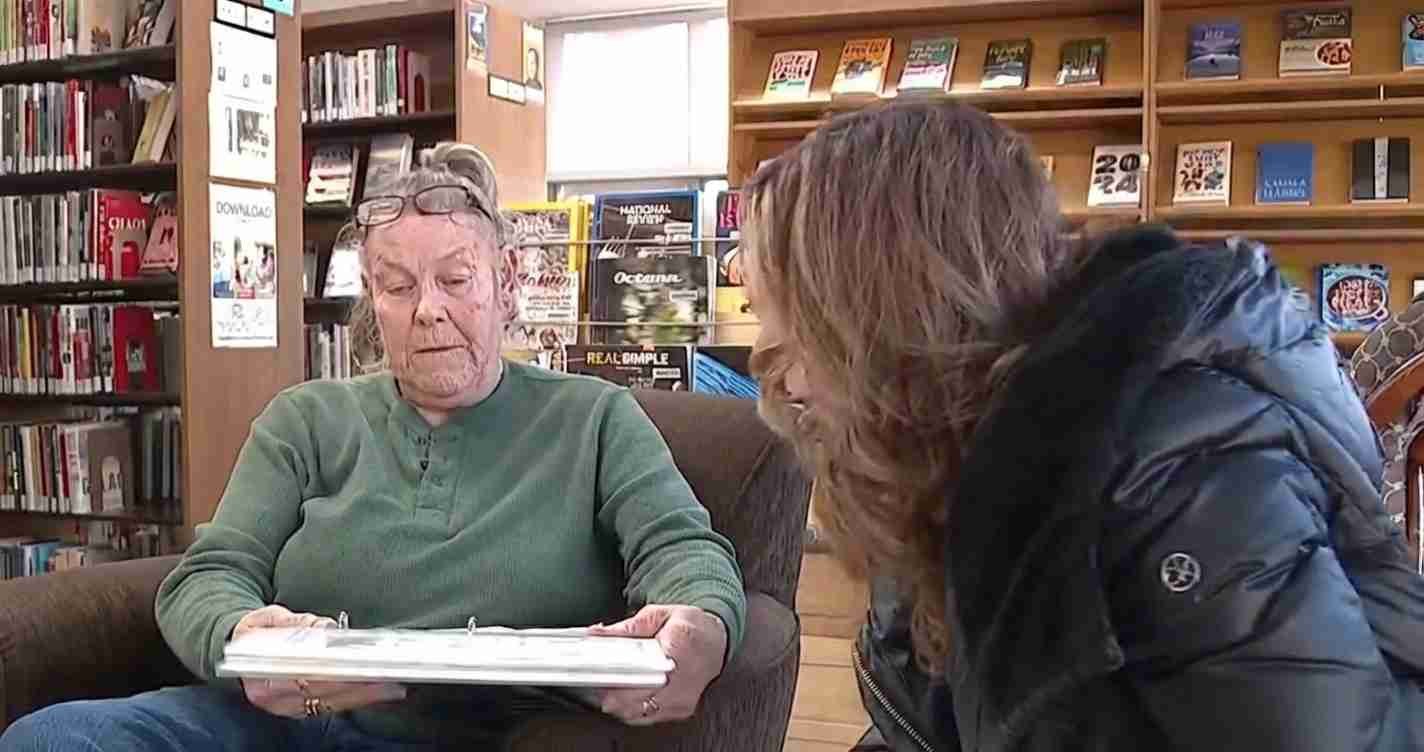
Diane Crawford, 66, had driven for the Juniata County School District for about 35 years. She says she was fired after posting a sign that read: “Out of respect to English-only students, there will be no speaking Spanish on this bus.” Sources: Local21News, ABC3340, Local12.
Background and Crawford’s account
Crawford says the sign followed a pattern of disruption by a bilingual student who, she alleges, repeatedly spoke Spanish to provoke classmates and bullied other students. She told reporters she posted the notice to try to stop the behavior and to protect English‑only students. Crawford later said she regretted the sign’s wording and would have preferred “No bullying in any language.” (Sources: Local21News, Local12).
Crawford says she was dismissed abruptly — “overnight” — without an adequate chance to explain her side after seeking help from the district. She also reported financial and health distress after the firing, saying she is on Medicare, Medicaid and SNAP and takes antidepressants. (Sources: Local21News, ABC3340).
District and contractor response
The Juniata County School District and contractor Rohrer Bus say they suspended Crawford while investigating. They state the review ended after she admitted in writing to posting the sign, and they contend her conduct violated standards for student transportation providers. Both emphasized that they followed established procedures and prioritized student safety. (Sources: Local21News, ABC3340).
The district also said staff received training with the Pennsylvania Human Relations Commission on April 17, 2025, aimed at reinforcing policies on conduct and nondiscrimination. (Source: Local21News.)
Crawford disputes parts of the district’s account, saying there was no thorough investigation. She is seeking $30,000 to cover the cost of a bus and route she purchased in 2024 and wants the district to admit wrongdoing. (Source: Local12.)
DOJ investigation and wider reactions
On X, U.S. Assistant Attorney General for Civil Rights Harmeet Dhillon said her office opened an investigation and called the case “deeply concerning.” Her post used the phrase “DEI wokeness” and drew hundreds of replies, many expressing support for Crawford and criticizing the probe. The announcement elevated the matter from a local personnel dispute to a federal civil‑rights review. (Sources: Local21News, ABC3340).
“Deeply concerning.” — Assistant Attorney General Harmeet Dhillon, announcing a Civil Rights Division review on X
Local coverage includes a video of Crawford defending the sign and saying she felt unfairly labeled as “racially insensitive.” Watch the local interview on the station’s YouTube interview.
As of Dec. 22, 2025, there is no public outcome from the DOJ probe or additional legal filings. The opening of a federal review does not itself determine wrongdoing; reviews can include interviews and document requests before any final finding. (Sources: Local21News, ABC3340.)
Context — rules, student safety and language
School districts typically set bus conduct rules and expect drivers to report disruptive behavior to school officials, who then follow discipline procedures. Posting notices that single out a language or group can raise legal and civil‑rights concerns — likely a key reason this case drew wider attention once the sign became public. (Sources: Local21News, ABC3340.)
Implications for Fresno, California
Economic impact: Fresno’s districts rely on contracted transportation; cases like this can affect contractor policies, insurance rates and training costs if districts expand staff training or compliance checks.
Political consequences: The story frames competing voter concerns — support for staff and safety versus student civil‑rights protections — and could influence local school board debates and candidate messaging.
Social effects: Fresno’s large Spanish‑speaking communities may feel targeted by an “English‑only” controversy, prompting community dialogue on bullying, fairness and language access.
Cultural relevance: Language is central to identity; disputes over language use on school property can be deeply personal and may compel leaders to balance cultural respect with clear conduct rules.
Practical advice for residents: Parents should watch for district updates on bus rules and language‑access policies, attend board meetings, and ask how disruptive behavior is handled without singling out language or groups.
What to watch next
- Whether the DOJ investigation yields findings, recommendations or a timeline for federal determinations. (Sources: Local21News, ABC3340.)
- Any legal claims or repayment demands by Crawford, including her request for $30,000 to cover a bus and route purchase. (Source: Local12.)
- How local districts and contractors — including those in California — respond by reviewing policies on language, discipline and staff training.
Reporting for this article relied on coverage from Times Media Service’s local partners and station reporting. Sources: Local21News, ABC3340, Local12, and a local broadcast interview on YouTube.