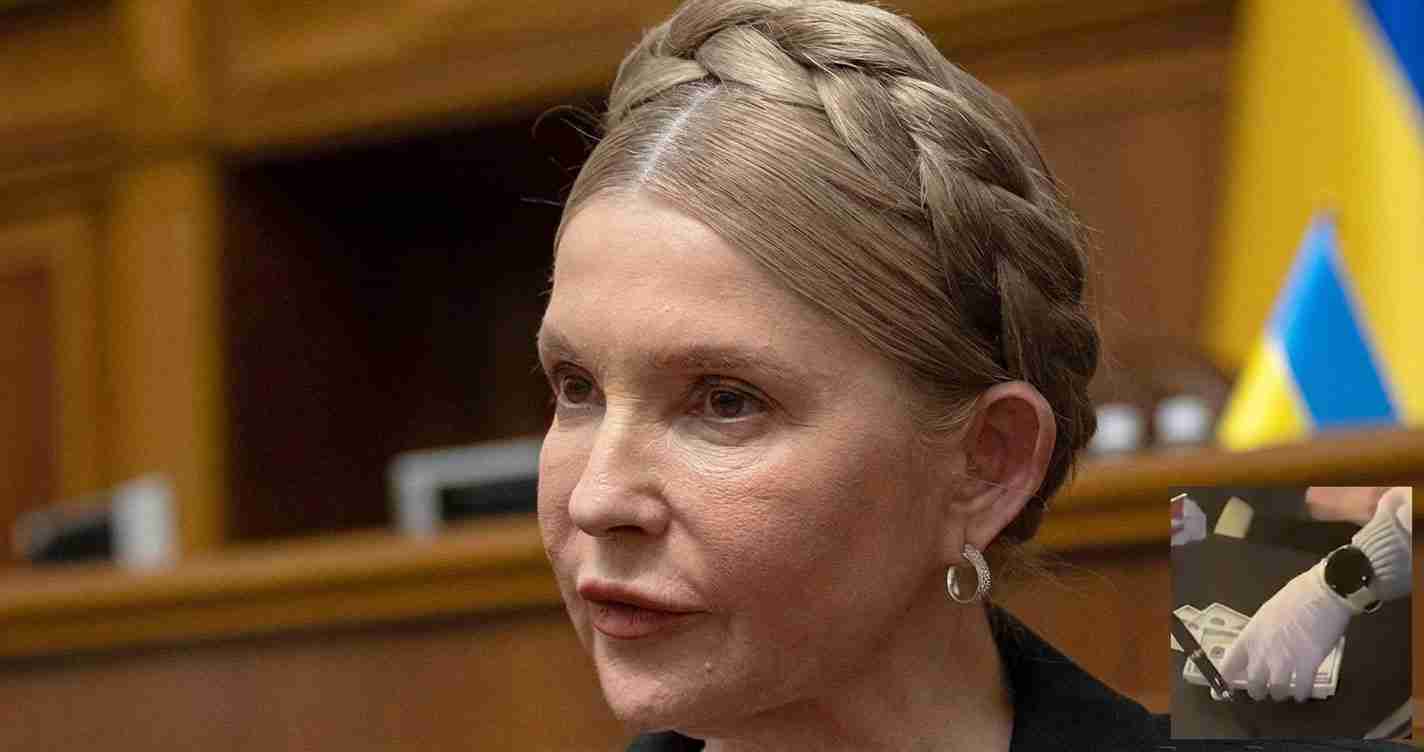
Former Ukrainian Prime Minister Yulia Tymoshenko Charged in Alleged $10,000-a-Month Vote-Buying Plot — NABU Releases Recordings, Cash Seized
Former Ukrainian Prime Minister Yulia Tymoshenko has been charged with organizing a scheme to pay lawmakers $10,000 monthly for coordinated votes, authorities say, after Ukraine’s anti-corruption agencies released wiretaps, video and photos of seized cash and moved to set bail.
Key takeaways
- Charges: NABU and the Specialized Anti-Corruption Prosecutor’s Office (SAPO) allege Tymoshenko organized a long-term bribery scheme to buy MPs’ votes for $10,000 a month (Jurist, Kyiv Independent).
- Evidence released: Investigators published wiretapped audio, video and photos showing stacks of U.S. dollars seized in searches (Jurist, Kyiv Independent, Fox News).
- Legal move: Prosecutors asked the High Anti-Corruption Court for preventive bail of 50 million UAH (~$1.3M); Tymoshenko appeared in court (Jurist, NV).
Allegations: a long-term Ukraine parliamentary bribery scheme
Ukraine’s National Anti-Corruption Bureau (NABU) and the Specialized Anti-Corruption Prosecutor’s Office (SAPO) say their probe uncovered a planned, long-term mechanism for vote-buying that went beyond isolated payments. Investigators allege Yulia Tymoshenko, leader of the Batkivshchyna (Fatherland) party, discussed monthly payments of $10,000 to lawmakers who would cast votes according to her instructions, with advance payments and a cash-management system rather than one-off bribes (Jurist, Kyiv Independent).
Targeted lawmakers and searches
Investigators say the plan targeted members of President Volodymyr Zelenskyy’s Servant of the People party. The allegations followed searches of Batkivshchyna party offices on Jan. 13, 2026, when police and NABU officers reportedly remained at the premises through the night (Kyiv Independent, Fox News).
Evidence and recordings released by authorities
NABU released wiretapped audio that it says captures Tymoshenko negotiating the scheme. In one cited recording she allegedly said, “If we come to an agreement today, we’ll record who is with you, and I’ll be handing the money over to you as to a cash desk.” Prosecutors claim tapes include instructions for voting on high-profile removals, including heads of security and defense bodies (Jurist, Kyiv Independent).
“If we come to an agreement today, we’ll record who is with you, and I’ll be handing the money over to you as to a cash desk.”
Investigators also published video and images showing stacks of U.S. dollars seized during the searches. Authorities initially did not publicly name the person linked to the cash; media later connected the seizures to Tymoshenko after charges were filed (Fox News).
Court filings cited by local media say some coordination instructions were sent over encrypted messaging services, including Signal (Kyiv Independent).
Political context: investigations and a tense parliamentary fight
The charges arrive amid a broader anti-corruption probe that, authorities say, uncovered a network of lawmakers who accepted regular bribes in exchange for votes. NABU and SAPO describe the alleged criminal network as systematic and including members of the ruling party, intensifying an already tense parliamentary atmosphere (Kyiv Independent).
Investigators link the alleged plot to efforts to block a government reshuffle announced by President Zelenskyy in early January 2026 — a reshuffle that would have replaced several senior officials and sparked sharp political confrontation (Kyiv Independent, Meduza).
Tymoshenko’s response and claims of political persecution
Yulia Tymoshenko has strongly denied the accusations, calling the probe “political persecution” and suggesting the timing was intended to sideline rivals ahead of future votes or elections. In social posts she argued the moves were not about “law or legality,” and warned opponents they would not make her stop fighting (Jurist, Kyiv Independent, Meduza).
“You naive people probably think these primitive steps will make me run or stop fighting. You are very much wrong.”
Legal steps and possible penalties
SAPO prosecutors have requested the High Anti-Corruption Court set preventive bail at 50 million UAH (about $1.3 million), and Tymoshenko appeared before the court on the related motion. Legal analysts cited in reporting say conviction on the filed charges could carry up to 10 years in prison (Jurist, NV, Meduza).
Background on Tymoshenko and anti-corruption debate
Tymoshenko is a prominent figure in Ukrainian politics, having served as prime minister in 2005 and 2007–2010. Her Batkivshchyna party holds 25 seats in parliament, making it a notable opposition force (Kyiv Independent).
Her past includes a 2011 conviction over a gas deal with Russia — widely viewed by many international observers as politically motivated — and release in 2014 after a change in government. In 2025 she backed a bill that would have weakened independent anti-corruption institutions; President Zelenskyy initially signed the bill in July 2025 before backing away after backlash. The agencies now bringing charges were among those targeted by that 2025 bill (Kyiv Independent).
Searches, timing and public perception
Police and NABU officers entered Batkivshchyna party offices on the evening of Jan. 13 and stayed most of the night, according to reporting citing a government adviser. Images of seized cash circulated widely on social media, fueling debate over whether the probe is a legitimate anti-corruption action or a political maneuver to weaken an opponent (Fox News).
NABU Tymoshenko investigation: questions ahead
Investigators say they have technical, financial evidence and recordings pointing to a coordinated scheme. Defense lawyers and Tymoshenko’s allies demand full materials and question the legality and timing of evidence collection. The High Anti-Corruption Court will decide whether investigators followed proper procedures and whether the recordings are admissible as proof (Jurist, Kyiv Independent).
Implications for Fresno, California
Economic and aid links: Fresno and the San Joaquin Valley maintain ties to Ukraine via agricultural exports, humanitarian aid and displaced-person networks. A high-profile corruption case could affect donor confidence and political support in the U.S., potentially influencing aid flows for Ukraine’s stability and reconstruction.
Political consequences: Fresno voters are often moderate and pragmatic on foreign policy; news of high-level allegations in Kyiv may lead local leaders and members of Congress to be more cautious in public statements and resolutions.
Social effects: Ukrainian immigrant communities in Fresno will likely follow the case closely; fundraising events, community solidarity initiatives and donor relations may be affected.
Cultural relevance & practical applications: Local media, schools and civic groups may use the case to discuss rule of law, how anti-corruption courts function and the role of watchdogs like NABU. Fresno charities should prepare to answer donors’ questions about governance and emphasize how donations support humanitarian needs separate from political disputes.
Reporting and next steps
The High Anti-Corruption Court will consider SAPO’s bail request and proceed with preliminary hearings. Journalists, watchdogs, international observers and U.S. lawmakers tracking aid and anti-corruption efforts will monitor the release of full investigative materials, legal filings and defense responses as the case develops (Jurist, NV, Kyiv Independent).