
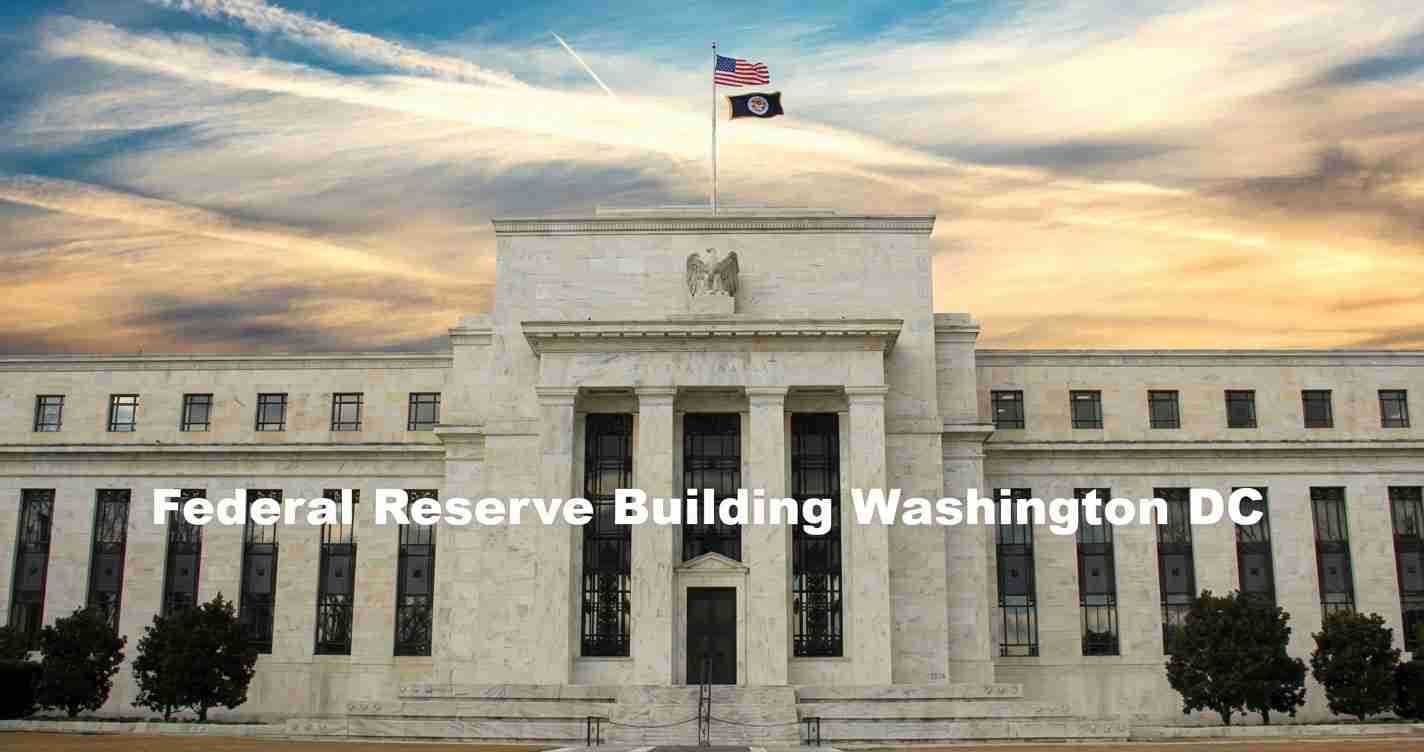
Fed Holds Rates at 3.5%–3.75%, Pauses Cuts Amid Slowing Jobs Growth and Sticky Inflation
The Federal Reserve on January 28, 2026, held its benchmark rate at 3.5%–3.75%, pausing further cuts after three in late 2025 as officials weigh slowing labor‑market signals against inflation running above the Fed’s 2% target.
- FOMC voted 10-2 to keep rates at 3.5%–3.75%; two governors favored a 25 bps cut (Fox Business).
- The move pauses three 25 bps cuts made in Sept., Oct. and Dec. 2025 (LiveNow Fox, Fox Business).
- Inflation remains elevated: the PCE index rose 2.9% year-over-year through December 2025 (Fox Business).
- Markets price an 86% chance of no change at the March meeting; many economists still expect two cuts later in 2026 (LiveNow Fox, Fox Business).
What the Fed decided and why
At its first meeting of 2026, the Federal Open Market Committee (FOMC) chose to pause further rate cuts, leaving the federal funds rate range at 3.5%–3.75%, the level set after three quarter‑point reductions in late 2025. Policymakers pointed to two central concerns: a slowing labor market and inflation that remains above the Fed’s 2% objective.
Officials noted job gains have eased and unemployment has shown signs of stabilization, while the Fed’s preferred inflation gauge — the Personal Consumption Expenditures (PCE) price index — rose 2.9% year over year through December. Those facts persuaded a majority that a pause was warranted to monitor incoming data before moving again (Fox Business).
Vote split and internal debate
The FOMC vote was 10-2 in favor of holding rates steady. Governors Stephen Miran and Christopher Waller dissented, preferring a 25 basis point cut. The split highlights a Fed still divided over timing and magnitude of policy moves — with some members insisting on decisive progress toward 2% inflation before easing and others prioritizing support for hiring.
Jerome Powell on inflation and policy stance
Chair Jerome Powell said policymakers view the current stance of monetary policy as appropriate to make progress toward both maximum employment and 2% inflation after the three prior cuts.
Powell emphasized that recent higher inflation readings were concentrated in the goods sector — affected by tariffs and supply issues — while many services prices are showing signs of disinflation. This mixed picture makes the Fed cautious about moving too quickly in either direction (Fox Business).
How labor and inflation data shaped the move
The decision to pause reflects a balancing act. Payroll growth has slowed from prior hot paces, reducing labor‑market pressure. At the same time, the PCE index remains elevated at 2.9% year over year through December. Officials warned that cutting rates too soon could risk reigniting inflation, while holding too long could deepen a hiring slowdown. FOMC minutes are expected to reflect these tensions (LiveNow Fox, Fox Business).
Market reaction and the path forward
Financial markets reacted by reinforcing expectations of steady policy in the near term. As of the meeting, markets placed about an 86% probability on rates staying unchanged at the Fed’s March meeting. Many economists still forecast two rate cuts in 2026, potentially starting in June, if inflation trends toward 2% and labor‑market cooling continues. Key upcoming data include payrolls, the monthly PCE, and retail spending (LiveNow Fox, Fox Business).
Policy implications for borrowers, savers and businesses
A pause in cuts means borrowing costs remain lower than peak levels but higher than prior to the late‑2025 easing. Mortgage rates and business loan pricing move with long‑term yields and Fed policy expectations, so homeowners and businesses may see borrowing costs remain relatively steady in the near term.
- Mortgages: A delay in deeper cuts could keep mortgage rates from falling quickly, slowing refinancing and purchase activity.
- Small businesses and farmers: Central Valley operations that rely on short‑term credit could face steadier financing costs, affecting cash flow and input expenses.
- Savers: Deposit yields may improve only gradually until the Fed signals fresh cuts.
Investigative note: division within the Fed
The 10-2 split highlights a persistent divide at the Fed between those prioritizing a firm return to 2% inflation and those stressing support for employment. That tension could influence Fed communications and leave markets uncertain until inflation reads become more conclusive (Fox Business).
What to watch next
Investors and local leaders should monitor upcoming employment reports, monthly PCE inflation readings, and the Fed’s March statement for clues on the path forward. If inflation falls decisively toward 2% and hiring continues to cool, the Fed may resume cuts later in 2026; if inflation stays stubborn, cuts could be delayed or reduced.
Implications for Fresno, California
Economic impact
- Housing and mortgages: Local mortgage movements typically follow national trends. A pause could slow rate declines, cooling refinancing and buyer activity.
- Business lending and farm credit: Growers and small businesses in the Central Valley that rely on credit may face steadier borrowing costs in the short term.
- Savings and deposits: Community banks and credit unions may adjust products cautiously as wholesale funding and Fed signals evolve.
Political and budgetary effects
- Municipal finances: A near‑term pause keeps refinancing windows uncertain for city and county bond issuers.
- Local politics: Slower job growth could pressure tax receipts and spark debates over economic development and service priorities.
Social and community effects
- Jobs and hiring: National labor cooling can translate into slower job creation locally, affecting entry‑level and seasonal sectors like hospitality and agriculture.
- Cost of living: Elevated inflation in food and goods could keep household budgets tight; the PCE’s 2.9% annual rise suggests remaining price pressures.
Practical steps for residents
- Homebuyers: Shop rates and consider locks if favorable offers appear.
- Small businesses and farms: Review credit terms, cash‑flow plans and speak with local lenders about options.
- Savers: Compare deposit and certificate rates across institutions rather than assume quick yield improvements.
Sources and further reading
- Federal Reserve keeps rate unchanged at 1st meeting of 2026, LiveNow Fox, January 28, 2026.
- Federal Reserve interest rate decision — January 2026, Fox Business, January 28, 2026.
What local leaders and residents will watch next: incoming job reports, monthly PCE readings, and shifts in market expectations for the June Fed meeting — data that will shape whether the Fed’s pause endures or easing resumes.



