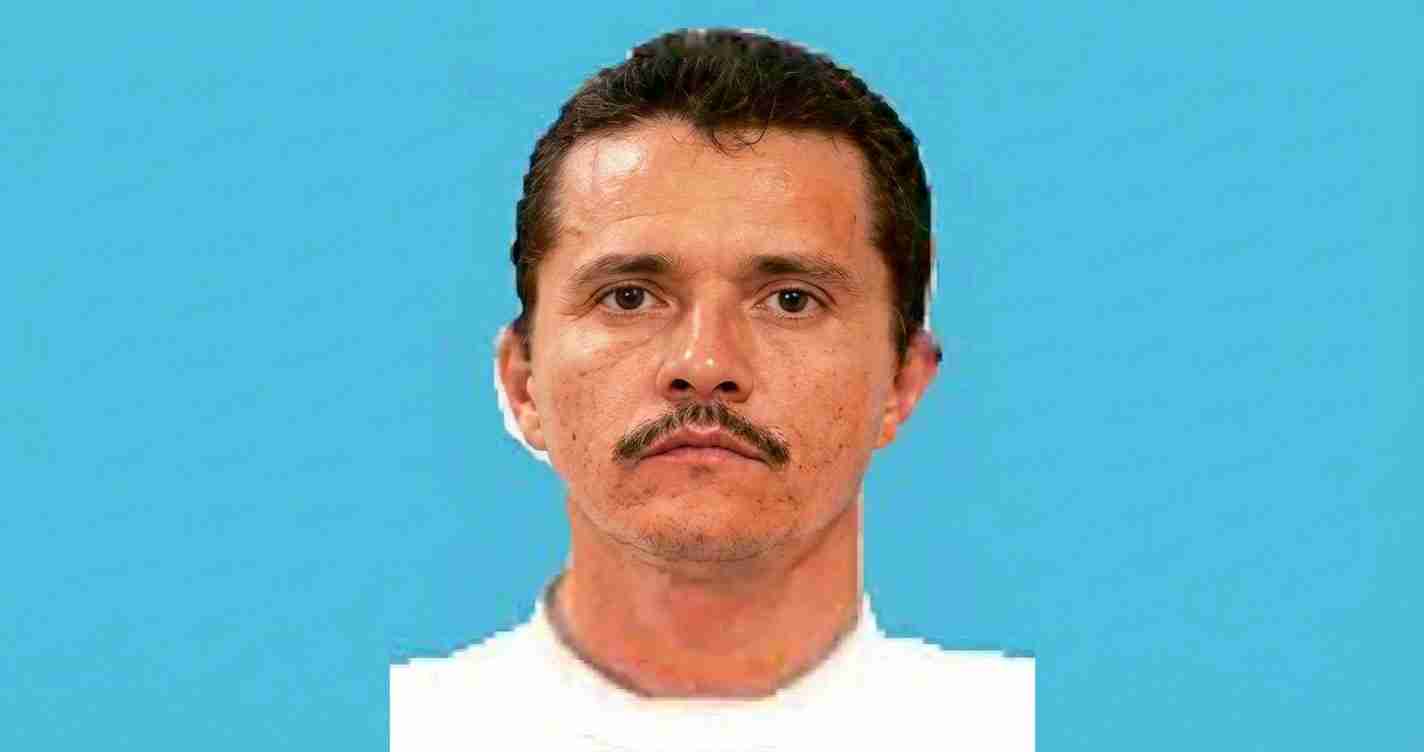
El Mencho killed in Jalisco: Mexican military says CJNG leader dead after Tapalpa operation
Mexican military forces killed Nemesio Rubén Oseguera Cervantes, known as “El Mencho,” in Tapalpa, Jalisco following a joint U.S.-Mexico operation, officials said Sunday. The announcement sparked cartel reprisals and a “Code Red” declaration in Jalisco.
Key takeaways
- El Mencho reportedly killed: The Mexican Defense Department said troops carried out an operation in Tapalpa that left Nemesio Rubén Oseguera Cervantes dead, with several others killed and some wounded later dying en route to Mexico City — Los Angeles Times.
- Weapons and arrests: Authorities reported seizures of armored vehicles, rocket launchers and heavy weapons, and detained two suspected cartel members — reporting compiled in Fox News and the Los Angeles Times.
- Bilateral intelligence role: The Defense Department said U.S. authorities provided intelligence that helped locate Oseguera Cervantes, underscoring sustained U.S.-Mexico cooperation — Los Angeles Times.
- Retaliation and alerts: The operation triggered widespread cartel reprisals across several states, roadblocks, burned vehicles and damage to public infrastructure; Jalisco declared a “Code Red.”
Main content
Operation details: what happened in Tapalpa
Early Sunday, Mexican troops moved on a suspected Cartel Jalisco Nueva Generación (CJNG) site in the mountain town of Tapalpa, Jalisco. The Defense Department reported that the clash left El Mencho and at least four others dead at the scene, with three additional wounded — including Oseguera Cervantes — who reportedly died later while being transported to Mexico City. Two alleged cartel members were detained at the scene.
Soldiers recovered a range of powerful weapons and equipment. Officials listed armored vehicles and rocket launchers capable of downing aircraft among the items seized. The Defense Department said three Mexican soldiers were injured and are receiving treatment. Reporting on the operation and seizures is available via the Fox News and Los Angeles Times.
“Troops conducted an operation in Tapalpa that left El Mencho dead and several others killed,” the Defense Department said in its initial statement.
U.S. role and cooperation
Mexico’s Defense Department described the mission as involving bilateral cooperation. U.S. authorities provided complementary intelligence that helped pinpoint Oseguera Cervantes’s location. U.S. officials framed the result as a major blow to transnational organized crime networks that traffic fentanyl and other illicit drugs to the United States. U.S. Deputy Secretary of State Christopher Landau posted on X that Mexican forces had killed “one of the bloodiest and most ruthless drug kingpins,” calling it “a great development.” He subsequently urged vigilance given the violence unfolding in Mexico.
Background on El Mencho and CJNG
Nemesio Rubén Oseguera Cervantes, 67, rose from small-time dealing and earlier ties to local policing to found and lead the CJNG, transforming it over roughly 15 years into a major international trafficking network. CJNG has been linked to production and distribution of fentanyl and other drugs reaching U.S. communities. The group is noted for military-style organization and access to heavy weapons; authorities have blamed it for high-profile attacks, including the 2015 downing of a Mexican military helicopter that killed nine soldiers. El Mencho had a $15 million U.S. bounty on his head.
Family, arrests and past legal actions
Parts of El Mencho’s family have faced law enforcement action. His son, Rubén Oseguera González (“El Menchito”), was extradited to the U.S. in 2020, convicted in 2024 on drug and weapons charges and is serving a sentence in a high-security federal prison in Colorado. His daughter, Jessica Johanna Oseguera González, pleaded guilty to money-laundering charges tied to the Kingpin Act and served time in U.S. custody before her 2022 release.
Immediate aftermath: retaliation and security alerts
Following the operation, CJNG elements reportedly launched a broad wave of violence and disruption: roadblocks on at least 21 highways (five later reopened), burned vehicles, and attacks on public infrastructure including damage to nearly 20 branches of Banco del Bienestar. Clashes were reported in Jalisco cities — Puerto Vallarta, Guadalajara and Chapala — and violence also occurred in Tamaulipas, Michoacán, Guerrero and Nuevo León. Jalisco Governor Pablo Lemus Navarro declared a “Code Red”, urging residents to remain indoors while National Guard and Army reinforcements were deployed.
The federal government mobilized forces from neighboring states; the U.S. Embassy in Mexico issued shelter-in-place advisories for several states amid heightened criminal activity and security operations. Media reporting and government spokespeople continued compiling details as the situation evolved.
Political context and U.S.-Mexico relations
The operation occurs amid intensified U.S. pressure for Mexico to crack down on cartels, especially those tied to fentanyl trafficking. Some U.S. officials framed the takedown as a major victory; Mexico’s President Claudia Sheinbaum said she will cooperate with U.S. partners but rejected any suggestion of U.S. ground forces operating on Mexican soil. The Defense Department emphasized bilateral coordination and U.S. intelligence support in its public statements.
Confirmation and caution
While the Defense Department and several Mexican officials reported the deaths and described the operation, outlets noted ongoing efforts to confirm all details from federal leaders in the hours after the raid. Authorities warned of potential further violence as CJNG elements respond and as information continued to be compiled by media and officials.
Implications for Fresno, California
Economic impact:
- Drug supply and recovery: CJNG has long been a major supplier of fentanyl and other drugs reaching U.S. communities, including Fresno. Disrupting a top leader could temporarily slow shipments, but supply chains often adapt. Fresno’s treatment programs and public health responders should expect possible short-term market shifts and continue prioritizing overdose prevention and access to care.
- Law enforcement focus: Expect potential increases in federal and state enforcement activity, with investigations and arrests that may involve California-based distribution cells. Businesses and logistics firms should anticipate heightened scrutiny on cross-border shipments and cooperation requests from authorities.
Political consequences:
- Policy and cooperation: The U.S.-Mexico cooperation highlighted by the operation may deepen intelligence sharing and joint efforts affecting California; local leaders in Fresno could face renewed calls to coordinate with federal partners.
- Public discussion: The news will shape conversations about border security, fentanyl policy and public safety, with local debate likely balancing enforcement with prevention and treatment.
Social effects:
- Community safety concerns: Fresno residents may fear increased flow of synthetic drugs. Public health agencies should prepare outreach and clear messaging to reduce panic and promote naloxone and treatment access.
- Impact on families: Cartel fragmentation or shifts in supply can bring instability to distribution networks; social services and schools should ready support for families affected by substance use or criminal activity.
Practical applications for residents and officials
- Health services: Increase naloxone distribution, public messaging about fentanyl dangers, and access to recovery services in Fresno.
- Coordination with law enforcement: Fresno Police, the Fresno County Sheriff’s Office and federal partners should review local threat assessments and patrol strategies, especially around known drug activity areas.
- Public outreach: Brief schools, community centers and faith groups on overdose signs and available resources.
- Travel and commerce: Residents traveling to Mexico should follow State Department and U.S. Embassy advisories; businesses involved in international shipping should ensure customs compliance and cooperate with authorities if contacted.
Sources and further reading
- Los Angeles Times: “Mexican army kills leader of Jalisco New Generation cartel, official says”
- Fox News: “Major drug lord El Mencho killed in Mexican military operation; US intelligence support”
Reporting compiled from Times Media Service and the cited news organizations.