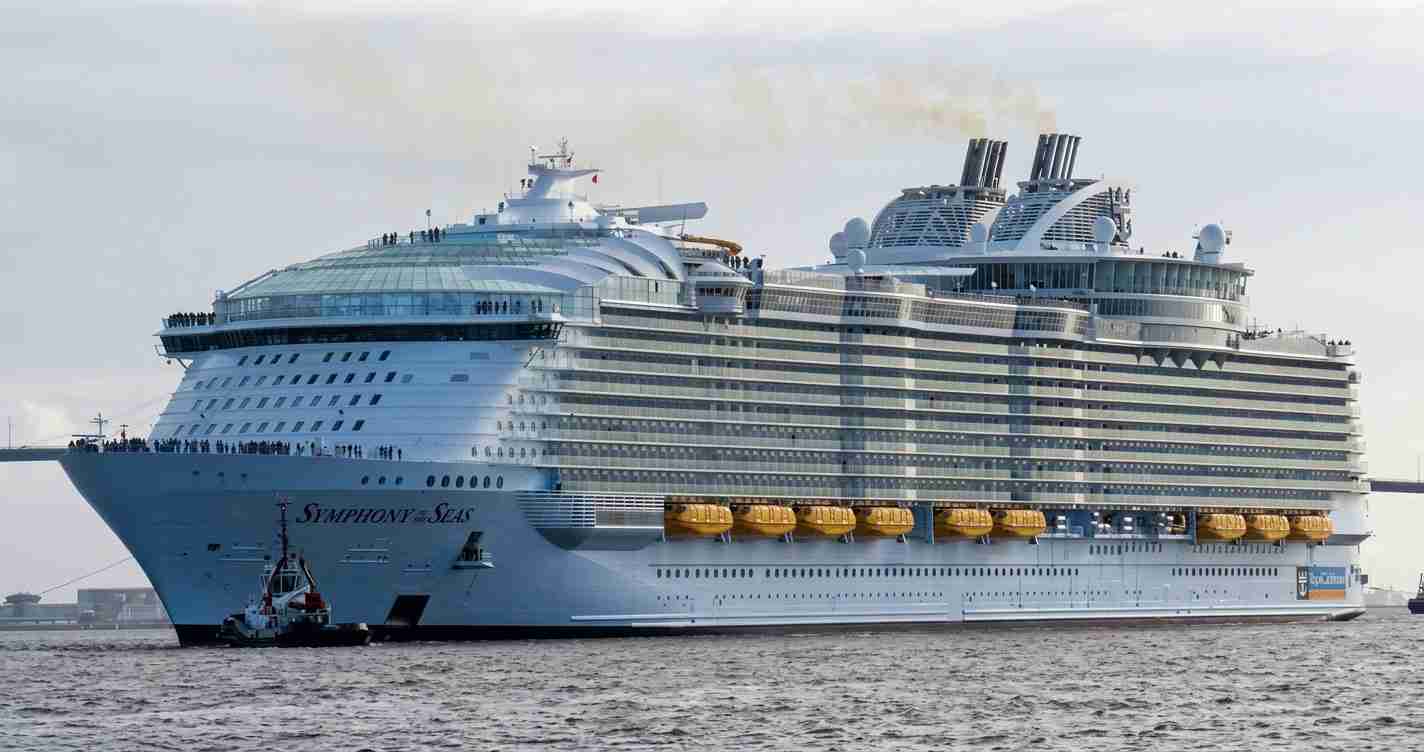
Cruise door décor crackdown sparks debate as Royal Caribbean tightens rules on stateroom decorations
Royal Caribbean’s Symphony of the Seas is enforcing a policy barring materials on stateroom doors and interior surfaces, prompting debate between passengers who treat door décor as tradition and operators citing fire safety, damage and rising theft reports.
- Royal Caribbean reiterated that materials may not be placed on interior surfaces, including stateroom doors, per a notice reported by Cruise Hive.
- Passengers say door décor helps identify rooms, celebrate milestones and foster community; operators cite fire safety, damage and theft as reasons for stricter enforcement.
- Other major lines, including Carnival and Disney, place similar limits on lights and adhesives.
- Forums show a split between cruisers who view door decorating as a core tradition and those who support tighter rules to protect safety and property.
What triggered the latest debate
Passengers aboard Royal Caribbean’s Symphony of the Seas were handed or shown a notice reiterating an internal policy that bars placement of materials on doors and in corridors. The communication — described as stricter enforcement of existing rules — was reported by Cruise Hive, and it reignited discussion because many guests consider door décor a long-standing part of cruise culture.
Why passengers decorate their doors
Decorating cabin doors is a popular tradition: guests use personalized magnets, banners, posters and festive signs for birthdays, anniversaries, first cruises and group trips. Many say decorations help them find their rooms in long, nearly identical corridors — especially at night or after drinks — and create a celebratory vibe for families or groups on board.
“Decorations look fun but I worry about being the only one decorating or having items disappear,” wrote one user in a Reddit thread, while another recalled decorations helping a group of six locate their cabin after evenings ashore.
Safety and damage concerns cited by cruise lines
Cruise operators point to three primary concerns when restricting door décor: fire safety, damage to finishes and obstruction/accessibility. Because ships must comply with international safety codes and insurance requirements, lines say enforcement is often a compliance issue rather than aesthetic preference.
Fire safety
SOLAS and other regulations require that doors and walls meet fire-resistance standards. Operators warn that coverings or non–fire-retardant materials can undermine those ratings or add fuel in a fire; Carnival’s guidance explicitly forbids string lights and highlights fire-retardant requirements (Carnival).
Damage to doors and finishes
Many cabin doors are painted metal or carry special finishes. Crew and maintenance report recurring damage when guests use strong adhesives such as superglue, heavy duct tape or improper strips. Disney’s passenger guidance warns against adhesives that can harm door finishes (Disney), and repairs across a fleet can become costly over time.
Obstruction and accessibility
Items that dangle or protrude may interfere with door swings or block narrow corridors, creating tripping hazards or issues for guests using wheelchairs or mobility aids. Lines emphasize that clear corridors support safe evacuation and comfort for all passengers.
Theft, vandalism and onboard friction
Reports of stolen or vandalized decorations have risen across forums and social media. Cruise Hive covered a case of custom magnets taken from a door, and community boards (see RoyalCaribbeanBlog community thread) contain accounts of magnets being moved, pranks that rearrange décor, and personal keepsakes walking off the ship.
Reactions vary: some passengers call for strict penalties, including disembarkation or prosecution, while others suggest selecting inexpensive decorations to reduce loss and disappointment.
How cruise lines phrase and enforce rules
Policies differ by line but generally ban or limit string lights and electrical decorations, require fire-retardant materials if décor is allowed, and forbid adhesives that damage finishes. Historically many lines tolerated magnetic décor on metal doors, but enforcement has been uneven. Royal Caribbean’s recent notice on Symphony of the Seas is seen as a tougher implementation of existing policy, telling guests not to place materials on interior surfaces at all, as reported by Cruise Hive.
How passengers are adapting
- Use inexpensive, replaceable magnets or decorations so theft or removal is less upsetting.
- Avoid custom or high-value pieces that tempt theft.
- Take photographs of decorations to document theft or vandalism when reporting to guest services.
- Use larger, harder-to-steal magnets or attach multiple pieces together to make quick theft harder.
- Follow ship rules: avoid lights, cords and adhesives when banned; use only approved fire‑retardant materials if permitted (Carnival, Disney).
Implications for Fresno, California
Economic and travel impact
Fresno residents who cruise from California ports or fly to embarkation points may ask more questions about “cruise door decoration rules” and the “Royal Caribbean door policy” before booking. Local travel agents should be prepared to explain changing rules and suggest compliant alternatives.
Practical tips for Fresno cruisers
- Advise customers to photograph decorations and bring inexpensive replacements to reduce the sting of theft.
- Recommend magnetic alternatives only when a ship’s policy explicitly allows them; if sailing on Symphony of the Seas, check for updated notices prior to boarding (see Cruise Hive coverage).
- Suggest group alternatives — coordinated shirts, lanyards or meet-ups in public spaces — to preserve group identity without risking damage or fines.
Community and cultural effects
Tighter enforcement could change how Fresno groups mark milestones at sea. Local social groups and travel organizers may need to set expectations early and offer alternatives that maintain social traditions while respecting ship rules.
Safety and legal awareness
Passengers should understand that stricter rules typically stem from safety codes and maintenance budgets. If theft or vandalism occurs, report to ship security and guest services and preserve photographic evidence; these steps apply equally to Fresno travelers and others.
Sources and further reading
- Cruise Hive, “Royal Caribbean guest issues warning after cruise magnet theft.”
- RoyalCaribbeanBlog community thread on magnet theft and pranks.
- Carnival Cruise Line FAQ.
- Disney Cruise Line FAQ.