Jeffries Spars With CBS Host Over Claims of ‘Rigged’ Midterms, Draws Fight Over Redistricting and Election Denial
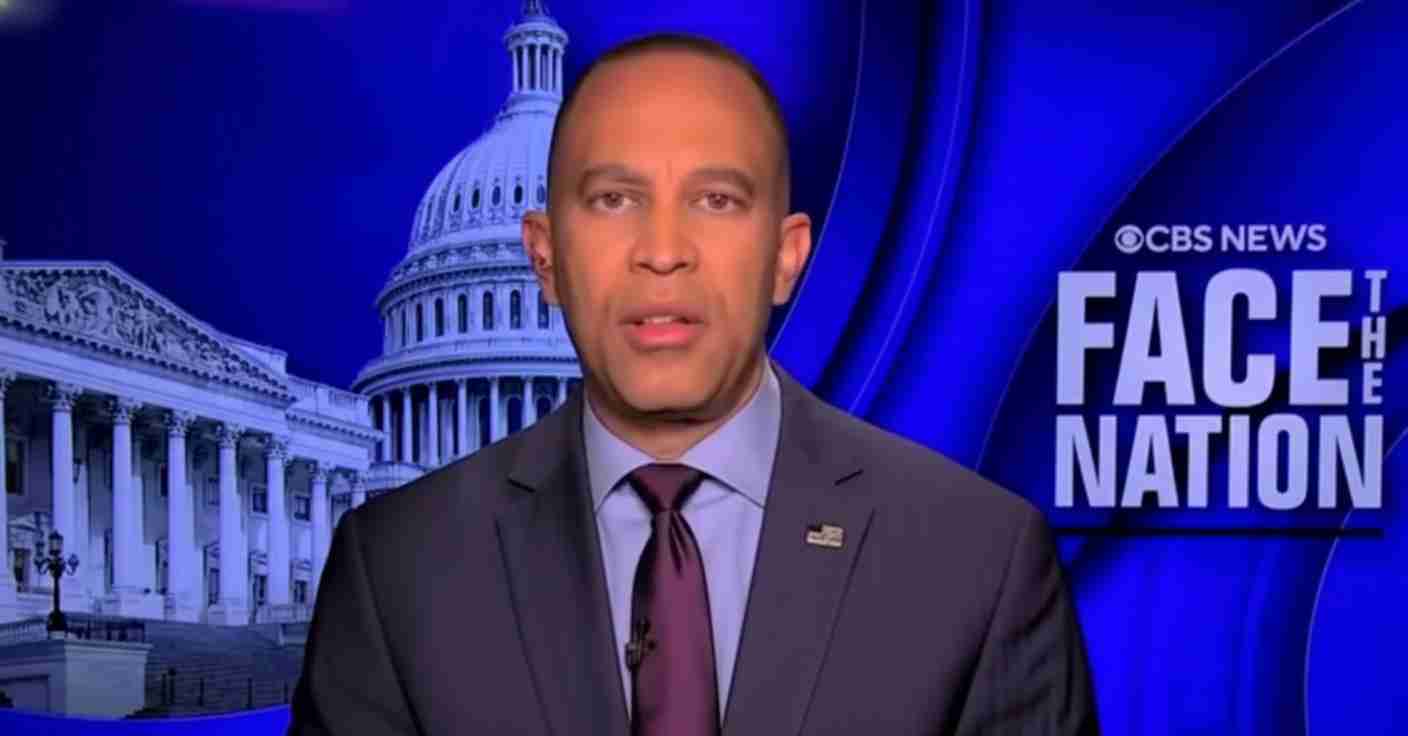
House Minority Leader Hakeem Jeffries sparred with a CBS host over claims that Republican-led redistricting amounts to “rigging,” arguing gerrymanders can nullify voter choice while insisting Democrats accept certified results and are not “election deniers.”
- Jeffries says aggressive GOP redistricting can functionally “rig” outcomes through mapmaking rather than ballot fraud.
- He distinguishes those tactics from post-2020 election denial, saying Democrats accept certified results.
- Republicans accuse Jeffries of hypocrisy; analysts note differences between his past remarks and post‑2020 overturn efforts.
- Local impact: Fresno and the Central Valley could see funding, political influence and community divisions affected by national redistricting fights.
The Face the Nation exchange
On CBS’ Face the Nation interview, Jeffries was pressed after using the word “rigged” to describe Republican-led map drawing ahead of the midterms. The host asked whether he meant outright fraud or structural tactics that dilute votes.
Jeffries clarified he meant gerrymandering — the practice of packing and cracking voters into districts so the controlling party preserves seats even if voter preferences shift. He argued such maps can effectively nullify voter choice and therefore amount to a kind of rigging of the system (report on Jeffries’ CBS appearance).
What Jeffries means by “rigged”
In subsequent remarks Jeffries expanded the definition: by “rigging” he referred to legislative maneuvers — partisan map drawing, rule changes that reshape districts, and laws that can limit the ability of normal voting shifts to translate into representation. He cited states where GOP-controlled legislatures drew maps after the 2020 census that, he said, lock in advantages even where electorates are competitive (Jeffries office statement).
GOP response and charges of hypocrisy
Republicans quickly pushed back, arguing Jeffries blurred routine political map fights with theft of democracy and pointed to past instances where Democrats engaged in partisan maps. GOP critics also referenced earlier Jeffries comments raising questions about 2016 foreign interference (Time analysis).
Analysts say Jeffries’ 2016 concerns about foreign influence differ in kind and scale from the post‑2020 movement to reject certified results.
Those analysts emphasize Jeffries did not refuse to accept certified outcomes or pressure officials to overturn elections in the way many post‑2020 actors did, a distinction central to his defense.
Why the distinction matters
The debate reflects a larger question: when does partisan strategy become a structural threat to election integrity? Jeffries and allies warn of a legal, systemic risk — not counterfeit ballots, but rules and maps that mute voter power. Critics respond that such claims risk undermining trust if overstated.
Legal experts and voting‑rights groups say extreme gerrymandering can let a minority hold disproportionate power across many districts, while opponents note redistricting disputes are typically resolved through courts and legislatures (report).
Election denial debate and political stakes
Since 2020 the phrase “election denial” has come to mean active efforts to overturn certified results, spread false vote‑count claims, and pressure officials to ignore certifications. Jeffries stresses Democrats have not pursued that path.
Republicans counter that casting doubt on maps or past votes can itself sow distrust; media fact-checkers note the practical difference between questioning election mechanics or foreign influence and an organized campaign to reject certified outcomes (Time; short clip).
How this plays in campaign strategy
Jeffries has urged a national Democratic response to what he calls attempts to “steal” midterms through legislative mechanics rather than voter fraud, encouraging state Democrats to push for fair maps and promising coast‑to‑coast mobilization (Jeffries office statement).
Republicans warn Democrats will use this framing to energize voters and claim excuses if they lose; language like “rigged elections” versus “partisan maps” will likely fuel campaign ads and debate talking points (reporting; Fox News coverage).
Implications for Fresno, California
Economic impact: Fresno and the San Joaquin Valley rely on fair representation for federal and state funding tied to water projects, farm support and infrastructure. If GOP redistricting models entrench one party elsewhere, it can shift where federal dollars flow and which lawmakers prioritize valley projects.
Political consequences: Although California uses an independent commission for maps, national shifts in House representation can alter priorities affecting Central Valley issues such as immigration and farm policy.
Social effects: Heated national rhetoric about rigged elections can intensify local divides over water, air quality and housing, and permeate school board and county contests.
Cultural relevance: Fresno’s diverse communities value ballot access and tangible representation; accusations of map manipulation or denial may resonate and galvanize leaders who frame the debate around protecting voter power.
Practical applications: Fresno voters can review local district maps and precinct information, attend public redistricting hearings, follow election officials for accurate information, and consult nonpartisan resources on how maps are drawn and challenged (Jeffries office statement; report).
Sources and further reading
- Report on Jeffries’ CBS appearance and follow-ups
- Fox News coverage
- Jeffries office statement on mobilizing Democrats
- Time analysis of GOP attacks and context on past remarks
- CBS News profile and comments on accepting outcomes
- YouTube clip of the Face the Nation interview
- Short video referencing Jeffries’ “no election deniers” remark
- Additional Jeffries interviews and briefings
- Background on Democratic messaging and recruitment
Bottom line
The debate over “rigged elections,” GOP redistricting and election denial will intensify as maps are finalized and legal fights proceed. Fresno voters and communities nationwide face concrete choices about how representation is shaped and practical steps they can take to ensure their voices are heard.