
Viral Halloween break-in scare in Alexandria later revealed as staged, police say
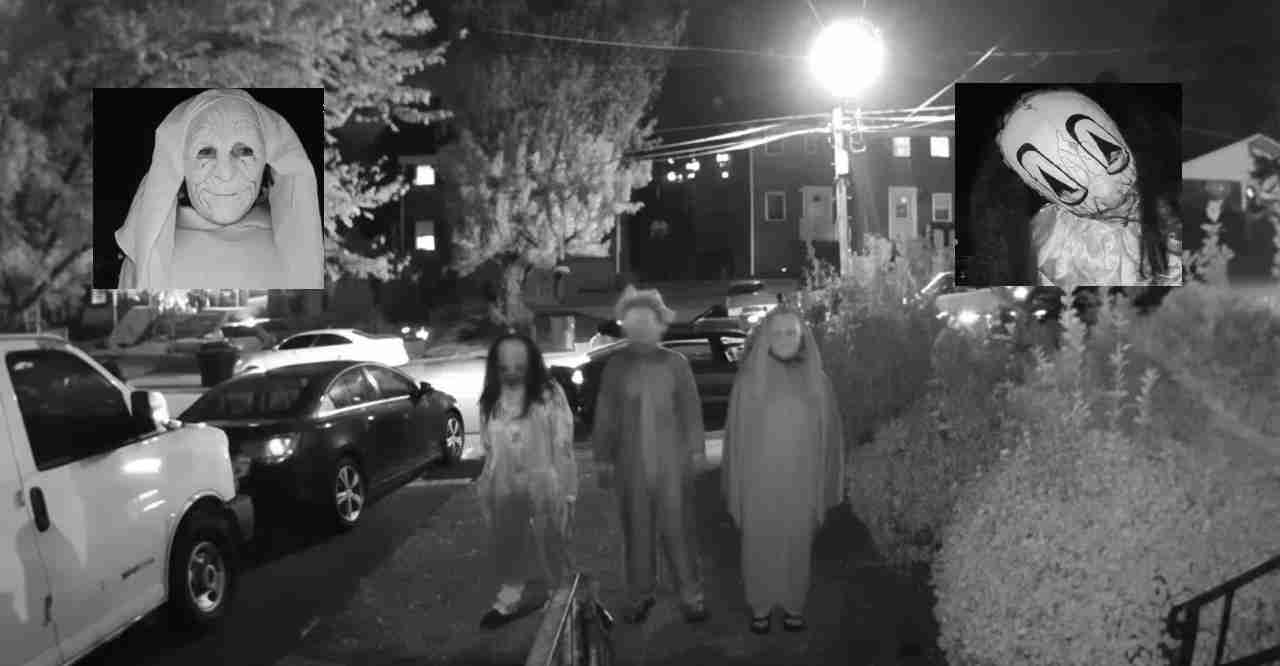
A Ring doorbell video of masked figures attempting a Halloween home invasion in Alexandria prompted a major police probe — investigators later say the episode was staged by an alleged victim and reclassified as a false report.
- Viral footage showed three masked people trying to force entry on Oct. 14, drawing widespread alarm and media attention.
- Police investigation logged more than 100 hours before one woman admitted the incident had been staged and the case was reclassified as a false report.
- Legal warning: officials cautioned that staging crimes or filing false reports can lead to criminal charges and drain public-safety resources.
- Broader concern: the incident highlights the strain social-media hoaxes place on law enforcement and community trust.
What happened on Oct. 14
On the night of Oct. 14 a home security camera captured three people wearing Halloween masks approaching a residence in Alexandria. The circulating footage shows the group ringing the doorbell, pounding on the front door, making verbal threats, and at times performing throat‑slitting gestures. They are also seen damaging a backyard fence and a screen door before leaving.
The footage quickly spread on social media and local news outlets, alarming neighbors and viewers beyond the city. Source video: Video and Video.
Police response and the hours-long investigation
Alexandria police treated the footage as a serious criminal incident and launched a thorough inquiry. Investigators reviewed multiple video angles, canvassed the neighborhood, tracked digital evidence and conducted numerous interviews. Officials said the probe logged more than 100 hours of investigative work.
Because the video appeared to show an attempted home invasion, officers prioritized identifying suspects and any continuing threat to the community. The high-profile nature of the footage increased public pressure and required law enforcement to manage concerns about potential copycat conduct during a season of costumes and pranks. Video
Family accounts and community reaction
The family whose home was shown in the video spoke to reporters, describing fear and trauma after the incident. Neighbors said they were frightened and questioned safety in a neighborhood many consider secure. Social media mixed calls for swift justice with broader debate about how online video can spread panic.
“Neighbors organized watch efforts and many homeowners said they planned to upgrade security systems or vary routines,” community leaders said as they urged calm and encouraged reporting suspicious activity to police.
Police discovery: admission that the incident was staged
After an intensive probe, investigators say the case took an unexpected turn: one of the women who had appeared to be a victim admitted to staging the break-in. Authorities reclassified the matter as a false report. Public summaries did not detail the motive or indicate whether others knowingly participated.
Police emphasized that the admission came only after extensive investigative work — illustrating how social-media-driven incidents can demand significant time and resources. Video
Legal and public-safety implications
Staging a criminal incident or filing a false police report is unlawful in many jurisdictions because it diverts resources from real emergencies. Alexandria police warned that individuals who stage incidents for attention may face legal consequences, including potential criminal charges.
Beyond criminal penalties, staged incidents can erode trust in legitimate reports, affect response times for genuine emergencies, and increase community anxiety—prompting behavioral changes like more home security purchases or reduced evening outings.
The wider pattern of social-media hoaxes
The Alexandria episode echoes a broader trend where sensational videos on platforms such as TikTok, Instagram and YouTube attract quick attention and sometimes mislead the public. Police departments nationwide have reported staged robberies, fake assaults and other hoaxes created to generate views.
Officials note that video alone can be convincing; corroboration with witness testimony, physical evidence and admissions is essential to determine what actually occurred. Video
Questions that remain
Authorities have not released full details about why the incident was staged or whether other participants will face charges. Prosecutors will weigh evidence of intent, community impact and whether the false report caused unnecessary use of emergency services. Police said they will pursue charges if further criminal responsibility is uncovered.
Implications for Fresno, California
Economic impact: Staged crimes still have real costs — staff hours, overtime and investigative resources that could otherwise support other cases. For Fresno, such hoaxes could strain already-limited public-safety budgets.
Political consequences: Wasted police time can become a bipartisan concern in politically moderate communities, prompting discussions about police funding, publicizing unverified content and balancing transparency with investigative caution.
Social effects: Viral hoaxes can heighten fear and anxiety, prompting residents to upgrade security or avoid certain activities. Law enforcement and community groups should prioritize clear, factual communication when videos circulate.
Cultural relevance: In diverse regions like Fresno, social media usage is widespread and the pursuit of online attention crosses demographics. Educators and community leaders can use incidents like Alexandria’s to teach digital literacy and responsible online behavior.
Practical advice: Fresno residents should remain alert but measured when encountering alarming footage online: confirm reports via official channels, report suspicious activity to police, avoid sharing unverified clips, and review home-security and neighborhood watch plans.
Sources and reporting notes
This article is based on video and public statements related to the incident and on law enforcement summaries. The primary footage and reporting referenced in this piece can be found at: Video and Video. Times Media Service reporters reviewed those materials and public comments by Alexandria police in preparing this report.



