Conservation groups sue federal agencies to curb ship strikes in California ports, seeking mandatory speed limits and rerouting
Two environmental groups sued the U.S. Coast Guard and NOAA Fisheries in 2025, asking courts to impose mandatory vessel speed limits and reroute shipping traffic away from whale hotspots around Los Angeles, Long Beach and San Francisco Bay to prevent deadly ship strikes.
- Who sued: Center for Biological Diversity press release (2025) and Friends of the Earth news release (2025).
- Targets: The suits name the U.S. Coast Guard and NOAA Fisheries (National Marine Fisheries Service).
- Main demands: Court-ordered interim measures including mandatory vessel speed limits and rerouting away from whale “hot spots.”
- Ports & species: Los Angeles, Long Beach and San Francisco Bay; species at risk include blue, fin, humpback and gray whales.
Details of the lawsuits and immediate demands
The Center for Biological Diversity and Friends of the Earth filed separate but coordinated suits in 2025 arguing federal agencies failed to adopt enforceable protections after relying on voluntary measures and outdated studies. Plaintiffs seek interim court orders requiring mandatory speed reductions and rerouting while agencies complete full environmental review and any required consultations under the Endangered Species Act.
Why the lawsuits were filed
NGOs contend the agencies permitted shipping lanes and vessel approaches that overlap critical whale habitat without completing required ESA consultations. The groups say voluntary slowdown programs lack enforcement, and agencies have used incomplete biological assessments instead of binding rules.
Recent events that prompted legal action
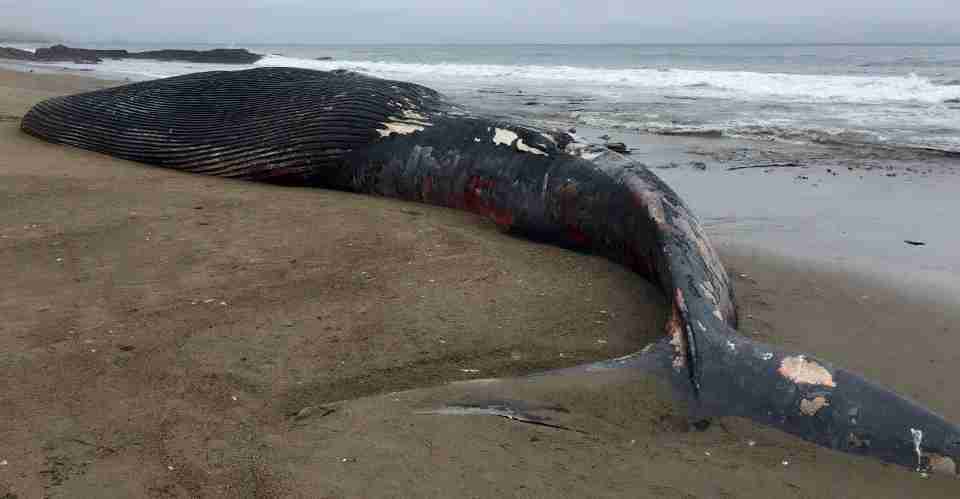
Advocates point to a troubling uptick in whale deaths during 2025: at least eight gray whales were recovered in the Bay Area with signs consistent with ship strikes. Experts warn many fatalities go uncounted because carcasses sink. Long-term estimates suggest collisions may kill dozens to hundreds of whales annually along the West Coast.
“Ship collisions are a leading human cause of death for large whales off the California coast,” conservationists say, urging immediate protections.
Scientific support for the requested measures
Peer-reviewed studies and conservation science indicate that vessel speed limits and shipping-lane redesigns are among the most effective ways to reduce fatal strikes. Slower speeds increase avoidance time and reduce impact lethality. Plaintiffs argue agencies relied on incomplete or outdated analyses in deciding not to adopt mandatory measures.
Legal basis and potential outcomes
The suits invoke the Endangered Species Act requirements for federal consultations and cite maritime statutes such as the Ports and Waterways Safety Act to challenge how shipping lanes and approaches were authorized. If courts side with the NGOs, agencies could be ordered to adopt enforceable speed limits, reroutes and complete comprehensive environmental reviews — potentially creating binding national rules for ports from Los Angeles and Long Beach to San Francisco Bay.
Agency positions and industry stakes
The U.S. Coast Guard typically declines comment on pending litigation. NOAA Fisheries has historically worked with ports on voluntary speed reductions and monitoring but has not issued mandatory national rules for all high-risk areas. Industry groups warn stricter speed limits and rerouting could slow commerce and raise shipping costs. The litigation forces a balance between marine conservation and shipping efficiency.
Implications for Fresno, California
Although Fresno is inland, changes at West Coast ports could ripple through freight corridors that connect Central Valley producers to export gates. Possible effects include:
- Economic: Potential delays and higher freight costs affecting farmers, distributors and logistics firms that rely on predictable port turnaround.
- Political: Local leaders in Fresno may be asked to weigh in as state or regional policymakers balance commerce and conservation.
- Social/environmental: The issue may galvanize local conservation groups and civic organizations to advocate for statewide protections and funding for marine science.
Select primary sources and reporting
Preserved below are the original NGO statements, background coverage and reporting cited by the plaintiffs and reporters:
- Center for Biological Diversity press release (2025)
- Friends of the Earth news release (2025)
- Background piece on whale deaths and shipping
- Industry/environment reporting
- Additional coverage and context (Common Dreams)
- Additional coverage (Star Concord)
Next steps and newsroom note
Further reporting will follow as the courts process the case and agencies respond. For original NGO filings and news releases, see the linked source list above. Stakeholders in freight, agriculture and conservation should monitor port announcements and agency filings for potential operational changes.