After a half-century away, California red‑legged frog rebounds in Yosemite — 10,000th frog released in Valley
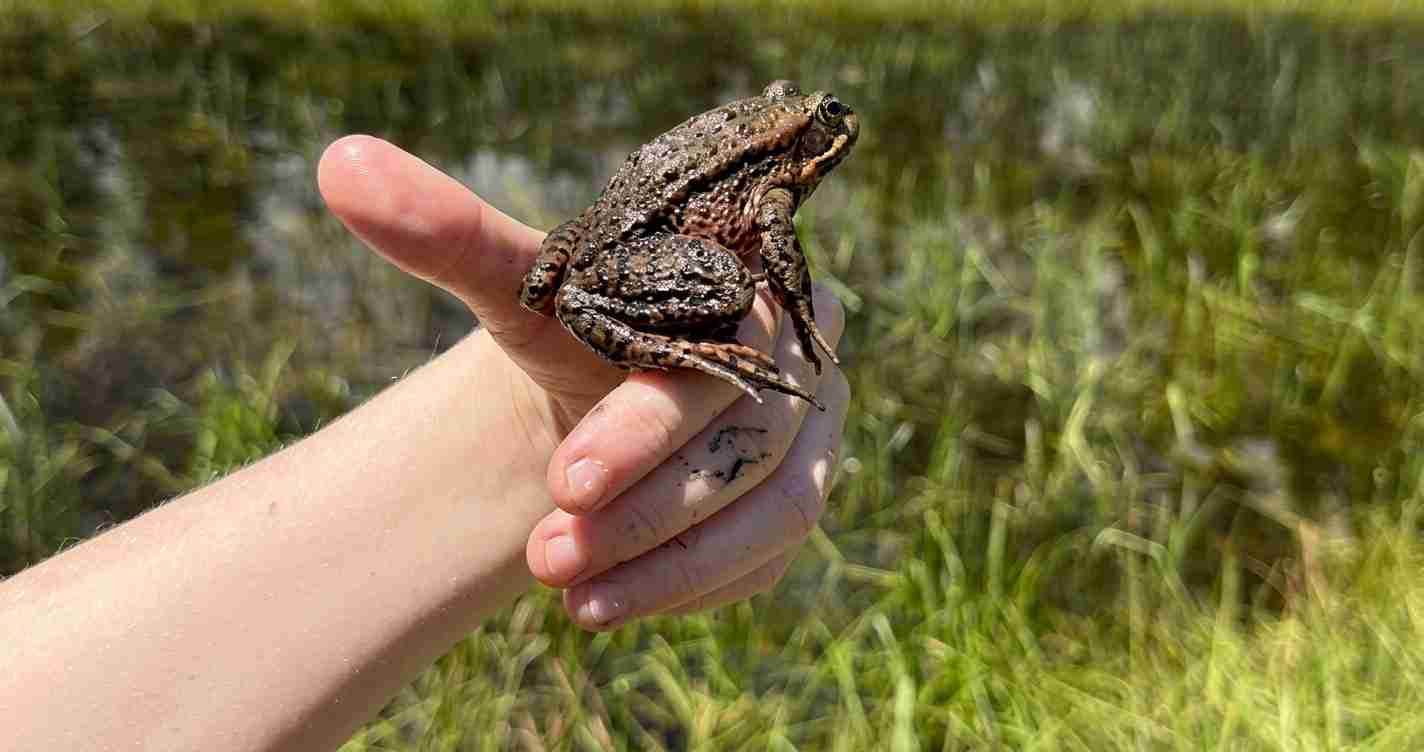
Yosemite National Park released the 10,000th California red‑legged frog on May 7 near Yosemite Falls, marking a decade of reintroductions that reestablished the federally threatened species after roughly 50 years of absence due to invasive bullfrogs.
Key takeaways
- Milestone release: The program marked its symbolic 10,000th frog, nicknamed “Twain,” during a May 7 event in Yosemite Valley.
- Coordinated effort: The National Park Service led work with the U.S. Fish and Wildlife Service, California Department of Fish and Wildlife, San Francisco Zoo & Gardens, Yosemite Conservancy and other partners.
- Restoration wins: Invasive bullfrog removal, habitat restoration and captive rearing combined to restore multiple generations resilient to drought and floods.
- Local implications: Fresno and San Joaquin Valley communities may see tourism, education and watershed benefits from the recovery model.
Background: decline, threats and the long absence
The California red‑legged frog (Rana draytonii) historically ranged across the Sierra Nevada and Coast Ranges. In Yosemite Valley the species had been absent for roughly 50 years. Park scientists identify invasive American bullfrogs as the primary driver of local extirpation: bullfrogs preyed on native frogs and outcompeted them for habitat.
Compounding factors included elevated raccoon numbers—linked to open refuse practices through the 1970s—that increased predation on eggs and tadpoles. Agency pages and local reporting document the decline and the early drivers of loss (see sources).
Conservation work and timeline
The modern recovery began in 2016 with three core goals: remove invasive bullfrogs, restore wetlands and rivers, and raise frogs in controlled settings for release. Those pillars have guided a decade of steady work.
Invasive bullfrog removal
Park teams conducted systematic eradication of bullfrogs from key wetlands and stream reaches inside Yosemite Valley. That steady, methodical removal reduced predation and competition pressure and is widely credited as the turning point that allowed reintroduced frogs to survive and breed (NPS, USFWS).
Habitat restoration
Major work tied to the Merced River Plan repaired and reconnected wetlands, streambanks and floodplain areas critical to breeding and juvenile survival. Grants administered by the California Department of Fish and Wildlife helped fund restoration under voter‑approved programs.
Captive rearing and releases
A rearing facility opened in San Francisco in 2016 through a partnership between the National Park Service and the San Francisco Zoological Society. Staff raise frogs from wild‑collected eggs to one‑ and two‑year‑old juveniles for release. Thousands of frogs have been released over the past decade; park officials state every frog now in Yosemite Valley traces to this program (San Francisco Zoo & Gardens, NPS).
Partners and the science behind the comeback
The recovery is a multi‑agency, multi‑partner effort: the National Park Service leads on‑the‑ground control and monitoring, the U.S. Fish and Wildlife Service provides technical support, the California Department of Fish and Wildlife administered grants, and the San Francisco Zoo & Gardens supplies captive‑reared juveniles.
“After invasive bullfrogs eliminated red‑legged frogs from the area decades ago, we removed those threats and created conditions for recovery. Today, multiple generations of frogs are established in Yosemite Valley,” said Rob Grasso, aquatic ecologist at Yosemite National Park.
Kim Turner, acting field supervisor for the Sacramento Fish and Wildlife Office, called the partnership “essential to the recovery of the California red‑legged frog”, and Dr. Rochelle Stiles of the San Francisco Zoo & Gardens emphasized that every frog in the valley traces back to the rearing effort.
Event details and the symbolic 10,000th frog
Partners gathered near Yosemite Falls on May 7 for remarks and a symbolic release. The San Francisco Zoo supplied several zoo‑reared frogs for the event, including the program’s 10,000th individual nicknamed “Twain.”
Park staff announced plans for continued releases: roughly 830 juveniles expected this year and another cohort of about 600 eggs being raised to supply future releases. Officials report the valley population now shows multiple generations and resilience to drought, severe winters and periodic floods—signs of a self‑sustaining recovery.
Why this recovery is notable
Yosemite’s recovery is among the first times a federally threatened amphibian has been restored to a national park using integrated invasive removal, habitat repair and captive rearing. The program demonstrates long‑term coordination tying river management, predator control and steady juvenile supply to population rebuilding.
Implications for Fresno, California
Economic: Yosemite’s improved wildlife viewing and stewardship efforts can boost regional tourism, benefiting Fresno‑area hotels, restaurants and outfitters.
Political: Funding and partnership success—partly supported by state grants—may strengthen local support for habitat restoration and invasive species control across the Sierra and valley watersheds.
Educational & social: The comeback creates field‑trip and outreach opportunities for Fresno schools and community groups, and can spark volunteer restoration work locally.
Watershed health & workforce: Restored riparian zones improve water quality and habitat downstream. Fresno restoration firms, nurseries and educators could participate in monitoring and stewardship, creating local jobs and partnerships.
Ongoing outlook
Park and partner officials stress the recovery is not finished. Continued monitoring, habitat stewardship and occasional releases remain part of the plan. For Central Valley communities, Yosemite’s milestone shows how coordinated invasive control, habitat work and captive rearing can revive a species and strengthen connected watersheds.
Sources and reporting
- California Department of Fish and Wildlife
- National Park Service, Yosemite
- U.S. Fish and Wildlife Service
- San Francisco Zoo & Gardens
- ABC30 coverage
- CBS47 / KSEE24 video (YouTube)
Reporting based on agency releases and local media coverage provided by Times Media Service.