Volcano National Park death spotlights growing problem of visitors ignoring closures, risking lives
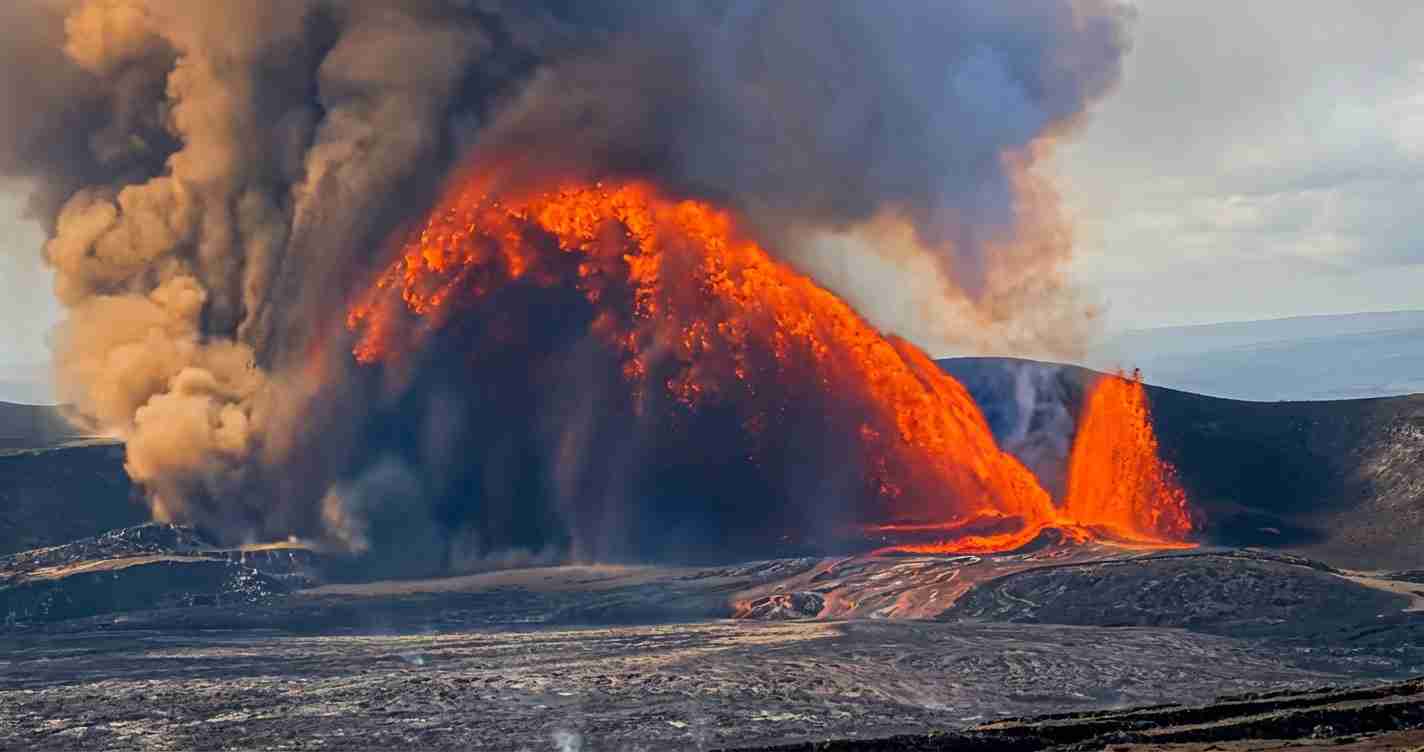
A 33-year-old Hawaii resident died after entering a closed, hazardous area within Kīlauea caldera on Feb. 26; rescuers conducted an overnight search and he was airlifted to Hilo Benioff Medical Center, where he was pronounced dead Feb. 27.
- Restricted-area entry at Kīlauea caldera led to an overnight rescue and the visitor’s death, underscoring dangers of ignoring closures. Sources: Big Island Video News, Fox News.
- A national pattern: parks nationwide report more incidents of visitors leaving trails or crossing barriers for photos or views.
- Local implications: Fresno-area travelers and emergency services may face increased rescue demand, legal consequences, and community education needs.
What happened at Kīlauea
Timeline: Park officials say the man entered a restricted zone on the caldera’s east side on Thursday, Feb. 26. Rescuers searched overnight in steep, unstable terrain and found him the following day. He was flown to Hilo Benioff Medical Center and pronounced dead on Feb. 27. Officials have withheld the man’s name for privacy and say the area was closed because of unstable cliff edges and volcanic features.
Reporting on the initial rescue and recovery is available from Big Island Video News and other outlets such as AOL.
Park response and warnings
The National Park Service reiterated that closures protect public safety and urged visitors to remain in open, designated areas. Rangers warn about unstable ground, hidden vents and steep drop-offs—even when Kīlauea is not erupting. The park noted the most recent lava episode ended Feb. 15.
“Rangers spend a lot of time warning visitors, but some still ignore signs or barriers to get closer views or photos. Those choices can have deadly results,” said Bill Wade, executive director of the Association of National Park Rangers.
Coverage that quotes park officials and rangers is available via Fox News.
A pattern of rule violations and risky behavior
Officials and experts say the Kīlauea death is part of a wider trend: as visitation rises, so do incidents of people ignoring warnings, leaving trails, or approaching hazards for photos or closer views.
Yellowstone National Park
In April 2025 a Seattle tourist was jailed for a week after deliberately getting too close to Old Faithful’s thermal area. Parks require visitors to stay on boardwalks and marked trails because thermal ground can be thin and scalding; nearly two dozen people have died from burns in Yellowstone’s thermal areas since the park opened. (Reporting: Fox News, Fox4News.)
Olympic National Park
In June 2025 an 18-year-old fell roughly 50 feet at Sol Duc Falls after walking on unstable rocks despite posted warnings, another example of ignoring clear barriers and danger zones. (Reporting: Fox News.)
Bryce Canyon and other overlooks
In spring 2025 two tourists died after climbing over a rail at a Bryce Canyon overlook; other incidents include injuries from wildlife or rough terrain and repeated examples of visitors breaching barriers for photos. (Reporting: Fox News.)
Why visitors take these risks
Dylan Spencer, an assistant professor who co-authored the 2025 report Recreation and disarray: Analysis of disorder in U.S. national parks, says many incidents stem from misjudged risk perception. Visitors may treat national parks like controlled urban parks and underestimate natural hazards such as thin ground, sudden drops, geothermal heat, wildlife and remoteness. As visitation grows, the chance someone will ignore signs increases. (Reporting: Fox News.)
Legal and safety consequences
Breaking park rules can result in fines, arrests and even jail time, especially when violations endanger others or require costly rescues. The Yellowstone case demonstrates potential legal penalties; park services emphasize both safety and legal risks of leaving trails, crossing barriers, or approaching wildlife and thermal features.
Reporting and investigation
The National Park Service has opened an investigation into the Kīlauea incident and is coordinating with local authorities. The agency notified the family and has withheld the man’s name. Officials say they will release more information as appropriate while investigations continue. Initial reporting cites park officials and rescue sources; see coverage from Big Island Video News and The Independent.
How rescues strain resources
Search-and-rescue missions in steep, hazardous terrain consume significant manpower and often require air support. These operations can divert trained personnel from other duties, create costs for local agencies, and sometimes put rescuers at risk. Park officials urge the public to follow closures to minimize dangerous rescue needs. (Reporting: Big Island Video News.)
Implications for Fresno, California
Fresno-area residents frequently travel to nearby Sierra parks and beyond. The Kīlauea death and nationwide increase in rule violations carry several local effects and lessons for Fresno:
- Public safety and rescue demand: Fresno visitors involved in risky behavior can increase search-and-rescue missions, straining county and volunteer teams and local hospitals. (See national trend reporting: Fox News.)
- Economic and tourism impacts: High-profile incidents may lead parks to tighten access or enforcement, potentially altering travel patterns and affecting Fresno businesses. (Reporting: Big Island Video News.)
- Law enforcement and legal consequences: Violations can carry real penalties — arrests, fines and jail time — that have consequences when visitors return home. (Reporting: Fox News.)
- Community education and preparedness: Local agencies, outdoor clubs and tourism boards can expand safety messaging so travelers leave for parks better informed and prepared.
- Cultural effects: Tragic incidents reinforce that natural places demand respect and caution; emphasizing safety aligns with community values.
Practical steps for Fresno travelers
- Plan ahead: Check park websites and ranger stations for current rules and closures.
- Stay on marked trails and boardwalks: Thermal areas and cliff edges can be unstable and deadly.
- Respect signs and barriers: They exist because the terrain or wildlife is hazardous.
- Keep distance from wildlife: Never feed or approach animals for photos.
- Tell someone your plans: Leave an itinerary with a friend and carry a charged phone or GPS device.
- Don’t take risks for photos: A closer shot is never worth a life or a rescue mission.
Sources and reporting
This article draws on reporting from Times Media Service partners and other outlets. Key reporting on the Kīlauea incident and national coverage is available at:
Reporting continues as the National Park Service and local authorities investigate the incident and review park safety measures.