Florida removes more than 5,000 cold-stunned invasive green iguanas during two-day permit exemption
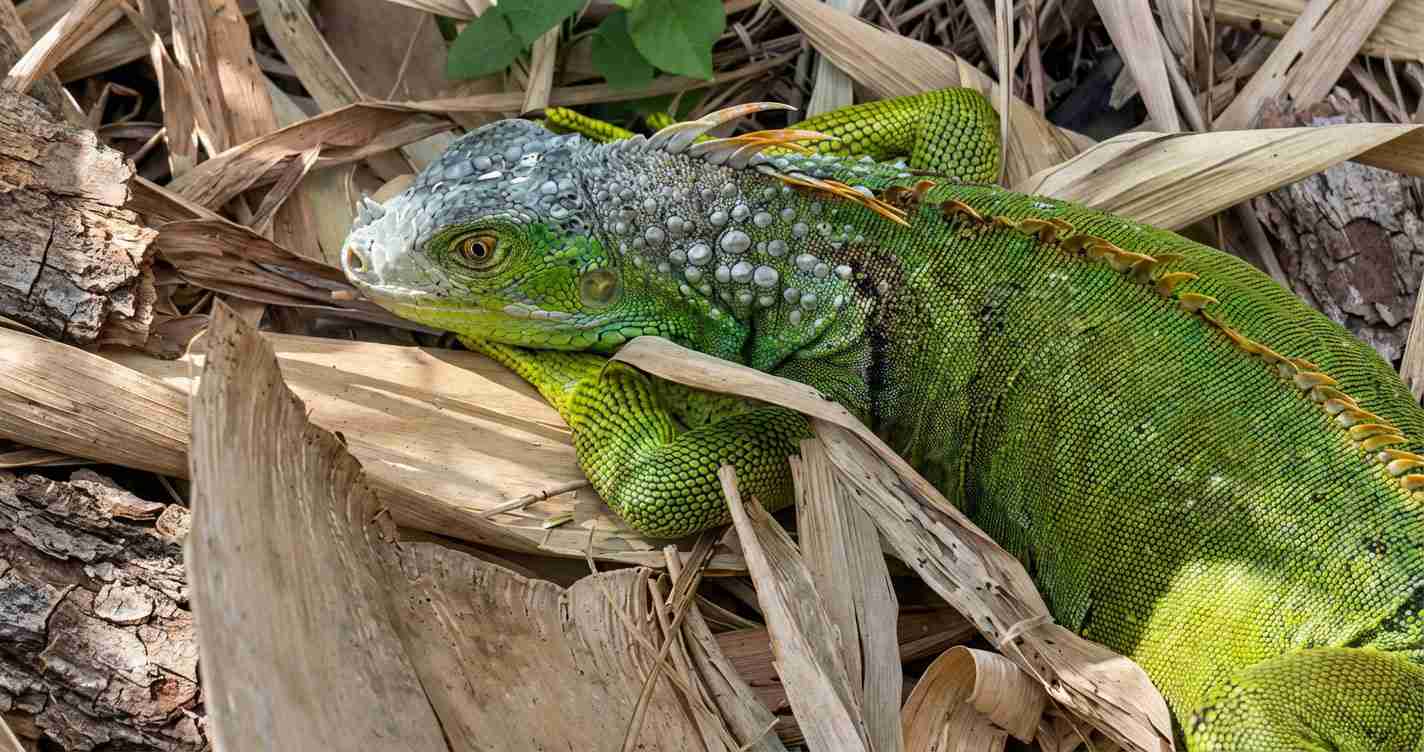
Florida Fish and Wildlife removed 5,195 cold-stunned invasive green iguanas during a two-day permit exemption on Feb. 1–2, 2026; the rapid, coordinated response minimized ecological and property risks and involved residents, FWC staff and partners statewide.
Key takeaways
- 5,195 cold-stunned green iguanas were collected Feb. 1–2, 2026.
- The largest drop-off was at Sunrise (3,882); other sites: Tequesta (1,075), Marathon (215), Fort Myers (23) (FWC report).
- Executive Order 26-03 temporarily allowed permit-free collection of live, cold-stunned iguanas for two days (FWC announcement).
- FWC coordinated transfers to permit holders; animals that could not be placed were humanely euthanized by trained staff (Popular Science coverage).
Main content
What happened and why it matters
A record cold snap in late January 2026 left many nonnative green iguanas cold-stunned — a temporary paralysis caused by low temperatures that often results in animals falling from trees. Stunned iguanas can recover quickly and may become defensive, using tails, teeth and claws. To reduce immediate risks to people, property and infrastructure, the FWC issued Executive Order 26-03, allowing residents and visitors to collect live, cold-stunned iguanas without a permit on Feb. 1–2, 2026 and deliver them to designated FWC offices (FWC report).
Coordinated response and results
The two-day exemption produced rapid, measurable results. FWC staff, permit holders, partner organizations and many residents participated in collection and transfer efforts. At a Feb. 4 Commission meeting in Tallahassee, FWC Executive Director Roger Young credited the scale of removals to those coordinated efforts:
“This was only possible thanks to the coordinated efforts of many staff members in multiple FWC divisions and offices, our partners and, of course, the many residents that took the time to collect and turn in cold-stunned iguanas from their properties.” — Roger Young
FWC Commission meeting video (Feb. 4)
Where the animals went
Collected iguanas were received at four FWC locations: Sunrise (3,882), Tequesta (1,075), Marathon (215) in the Keys and Fort Myers (23) on the Gulf Coast (FWC report). The agency coordinated transfers of animals to legal permit holders (for possession or sale out of state). Animals that could not be placed with permit holders were humanely euthanized by trained staff in compliance with state policy and animal welfare standards (coverage).
Green iguanas as an invasive problem
Green iguanas are a prohibited invasive species in Florida and are not protected aside from anti-cruelty laws. State rules allow humane removal from private property or with landowner permission year-round without a permit, but the species still causes documented damage: burrowing that undermines seawalls and levees, droppings that foul docks and pools, and use of canals as corridors for spread. The iguana removals during the freeze illustrate a rapid-response opportunity to reduce nonnative population impacts (FWC).
Florida’s broader invasive challenge
Florida reports more than 600 nonnative species, roughly 80% introduced through the live animal trade; 139 are established and reproducing in the wild. Invasive species can harm native wildlife, spread disease, and damage agriculture and infrastructure, so prevention, early detection and rapid response remain state priorities (MyFWC.com/Nonnatives).
Safety and handling guidance
The FWC cautions residents on safe handling: even when stunned, iguanas can regain strength and injure people or pets. The agency recommends against bringing stunned animals indoors, advises use of gloves and tools, and suggests placing stunned animals in secure containers if moving them. For instructions on deterrence and removal, consult MyFWC.com/Nonnatives.
Media coverage and public response
National and local outlets, along with social media, circulated images and video of cold-stunned iguanas. Reporting highlighted the unusual spectacle and the scale of animals handed in during the exemption. Coverage also raised public discussion about humane treatment, invasive species control policy, and residents’ roles in rapid responses (Fox News; Popular Science).
Implications for Fresno, California
Economic and agricultural risk: Fresno is a major agricultural region; while green iguanas are not established there, Florida’s episode underscores how nonnative species can rapidly create local economic issues. Invasive animals, insects or plants can damage crops, irrigation systems and infrastructure. Local officials should keep biosecurity and monitoring active, and report unusual species promptly to county agricultural commissioners and extension services.
Policy and government response: FWC’s emergency executive order is an example of a short-term policy tool to allow public participation in removals. Fresno and California agencies might consider similar fast-response options — balancing public safety, animal welfare and legal limits on wildlife possession — along with prearranged agreements with state and federal partners.
Public safety and community action: The Florida case shows residents can help under clear rules and safety guidance. For Fresno residents, that means contacting local animal control, the county agricultural commissioner or UC Cooperative Extension rather than transporting wild animals themselves.
Ecosystem and infrastructure considerations: Fresno’s canals, irrigation systems and levees are vital; invasive species that burrow or alter vegetation can threaten these structures. Water managers and public works departments can use Florida’s experience to review vulnerabilities and strengthen monitoring and rapid-response plans.
Cultural and social dimensions: Community outreach that ties invasive prevention to everyday concerns — crop health, parks, pets and water quality — helps build cooperation without encouraging risky behavior. Clear messaging about whom to call and what to avoid is essential.
Practical steps for Fresno-area residents
- Learn local reporting channels: county agricultural commissioner, animal control, UC Cooperative Extension.
- Do not bring wild animals into homes; stunned or trapped animals can injure people and pets.
- Use reputable pest control or wildlife removal services and verify permits when required.
- Report unfamiliar species with photos, location and time to local authorities immediately.
Sources and further reading
- Florida Fish and Wildlife Conservation Commission: “Green iguanas removed during two-day exemption”
- Fox News: “Over 5,000 cold-stunned iguanas removed in two days after state’s record freeze”
- Popular Science: “Frozen iguanas euthanized in Florida”
- FWC nonnative species resources (MyFWC.com/Nonnatives)
- FWC Commission meeting video (Feb. 4)
This reporting is based on FWC announcements and public records. For guidance on local invasive species in Fresno, contact the Fresno County Agricultural Commissioner and UC Cooperative Extension.