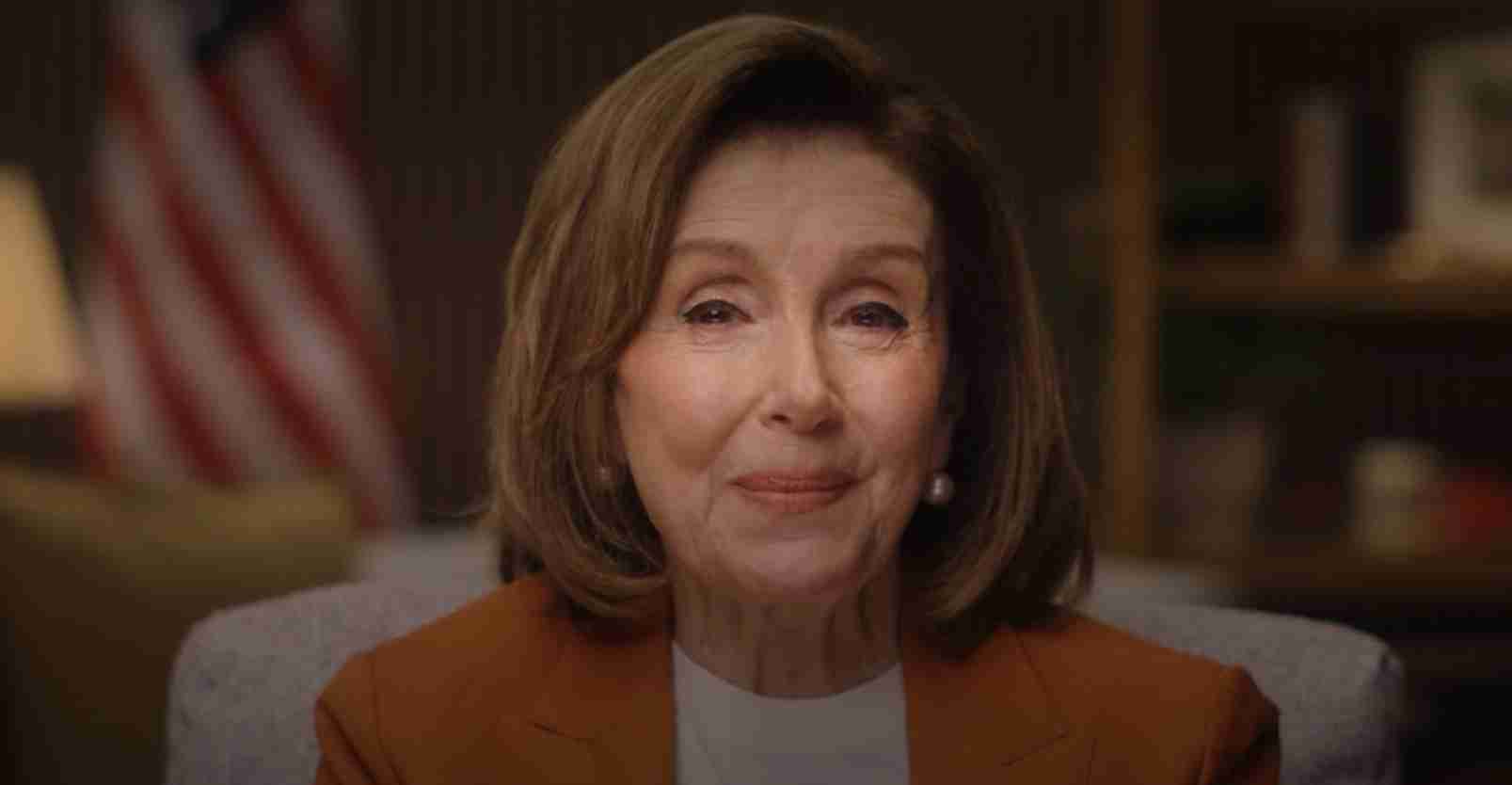
Nancy Pelosi announces she will not seek reelection in 2026, ending nearly 40 years representing San Francisco
Former House Speaker Nancy Pelosi announced Nov. 6, 2025, she will not seek re-election in 2026, ending nearly 40 years representing San Francisco. She said she will complete her final term in 2025–2026 in a video message to constituents.
- Who: Nancy Pelosi, 85, former Speaker and long-serving San Francisco representative (Pelosi’s retirement video announcement).
- What: Pelosi said she will not run for re-election in 2026 and will complete her final term in 2025–2026 (America Magazine coverage).
- Where: Announcement addressed to her San Francisco congressional district (see video message).
- Why it matters: Pelosi was the first woman to serve as Speaker and a central Democratic leader for two decades; her departure opens a high-profile vacancy and reshapes national party dynamics (analysis, News3LV reporting).
Pelosi’s announcement and context
In a short video message posted November 6, Pelosi spoke directly to San Francisco residents and framed her decision as a transition point.
“I will not be seeking re-election to Congress. With a grateful heart, I look forward to my final year of service as your proud representative,”
Her message urged civic engagement and continued activism in local and national politics (video source; coverage).
Career beginnings and tenure
Pelosi’s nearly four-decade career began in 1987 when she won a special election to replace Rep. Sala Burton. She has held the seat consistently since then, winning every election and becoming a central figure in Washington policymaking and Democratic strategy. Her decision to step down ends what advocates and opponents alike call a consequential era in American politics (background).
Career accomplishments and historical significance
Nancy Pelosi’s rise reshaped congressional leadership. She became the first woman elected Speaker of the House (2007–2011 and 2019–2023) and served in top-level Democratic leadership formally between 2003 and 2023. Over two decades she guided the party through shifting majorities and high-stakes legislative fights (source).
Major legislative leadership: Pelosi played central roles in passing the Affordable Care Act (2010) and in shepherding the 2021 Bipartisan Infrastructure Law. She was known for a disciplined approach to party votes, strong fundraising, and managing ideological factions within the Democratic caucus.
Investigative note: assessing her influence
Pelosi’s influence extended beyond bills. She shaped committee appointments, set legislative priorities, and was a prominent national fundraiser. With her retirement, analysts expect intensified scrutiny of how leadership power is exercised and how donors, PACs and Hill power brokers reallocate influence among rising leaders across progressive and moderate wings (context).
Legislative legacy and bipartisan work
Though often viewed as a partisan leader, Pelosi engaged in bipartisan measures—for example, working with President George W. Bush on the 2003 authorization of PEPFAR, a global HIV/AIDS initiative. She helped drive major domestic agendas during Democratic presidencies and led oversight and opposition when Republicans controlled the White House.
Supporters credit her with policy wins on health care and infrastructure and steady defense of Democratic priorities; critics argue her leadership centralized power and sometimes sidelined dissenting voices. Both views matter for understanding her successor’s likely approach (source).
Message to constituents and tone of departure
Pelosi’s announcement emphasized civic duty and continuation of San Francisco’s political role. She said:
“San Francisco, know your power. We have made history; we have made progress. We have always led the way, and now we must continue to do so by remaining full participants in our democracy, and fighting for the American ideals we hold dear.”
Her words underscored a desire for local leaders and voters to remain engaged after her exit (coverage; WJLA reporting).
Open questions and likely political fallout
Pelosi’s retirement raises immediate questions: who will run to replace a deeply entrenched incumbent; will the contest draw national attention and money or remain a local Democratic fight; and how will committee assignments and California influence shift in Washington? Political observers expect rapid jockeying for endorsements and fundraising in the months ahead (context).
Implications for Fresno, California
Economic impact: Pelosi’s retirement will not directly change federal funding formulas, but could alter who advocates for Bay Area and California priorities. Fresno businesses and regional projects that relied on stable California House leadership may need to cultivate new relationships with incoming representatives and committee staff. If California’s delegation loses senior leaders on key committees, competing discretionary grants and attention to Central Valley projects could be affected.
Political consequences: For Fresno voters and moderate Democrats, Pelosi’s exit signals shifting power within the California Democratic coalition. The San Francisco vacancy may spark contests among establishment and progressive figures, with donors testing candidates who could shape statewide policy agendas.
Social effects: Pelosi’s call for civic participation resonates in Fresno, where voter engagement is a priority. Local groups can use this moment to push voter registration, candidate forums and civic education—especially among younger and underrepresented voters.
Practical steps for residents and officials: Reach out to potential new San Francisco House members and state party leaders to press for Central Valley priorities; engage in statewide coalition-building around water, agriculture and infrastructure; and strengthen local voter outreach ahead of the 2026 election cycle.
Further developments to watch
Expect a crowded field of potential successors, early jockeying for endorsements, and increased fundraising. California Democratic Party leaders and San Francisco political figures will shape the early narrative. Fresno leaders and voters should track committee reassignments, shifts in federal advocacy, and opportunities to press for Central Valley priorities as national attention focuses on this open seat.