
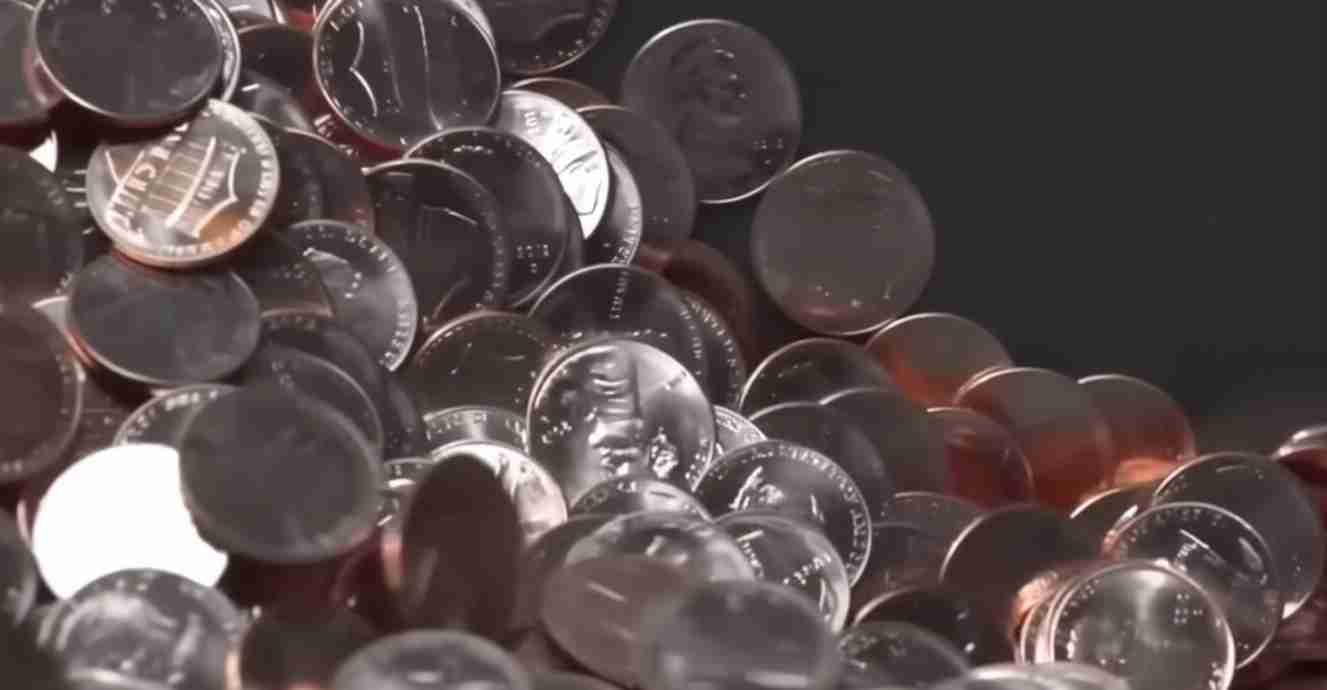
Last Five U.S. Pennies Bearing Rare Omega Mark Could Become Million-Dollar Treasures
The U.S. Treasury ended penny production on November 12, 2025, and five final pennies stamped with a unique omega mark have emerged as ultra-rare collectors’ items expected to fetch between $2 million and $5 million each at auction.
Key takeaways
- Penny production ended: The Treasury ceased minting pennies on November 12, 2025. (Cincinnati Enquirer, The Tennessean)
- Five omega-marked pennies: The final minting included five pennies stamped with an official omega mark, making them uniquely provable as the last coins produced. (Cincinnati Enquirer, The Tennessean)
- Estimated auction value: Experts project each omega-marked penny could sell for $2 million–$5 million, with auction details still pending. (Cincinnati Enquirer, The Tennessean)
What happened and why it matters
On November 12, 2025, the Treasury officially stopped production of the penny, ending more than two centuries of one-cent coinage in the United States. Officials cited rising production costs and the coin’s diminishing role in daily transactions as primary reasons. The decision has created both practical and cultural ripples across the country. (The Tennessean)
What the omega mark means
The omega mark was not part of standard mint designs; it was applied to five coins in the final run to identify them as the literal last pennies produced by the U.S. government. For collectors, that official provenance is critical—documented origin often multiplies value dramatically.
“The omega-marked pennies are singular artifacts of American coinage history,” reporting described, underscoring provenance as a major value driver. (Cincinnati Enquirer)
Why collectors expect high bids
Numismatists and market observers point to several factors that could drive each coin into the multimillion-dollar range:
- Absolute scarcity: Only five omega-marked pennies are known from the final run. (Cincinnati Enquirer)
- Cultural symbolism: Owning the literal last examples of a long-standing denomination carries strong symbolic weight.
- Provenance and official backing: The mark was applied during the official final minting, enabling clear documentation.
- Investor interest: Rare coins are an alternative asset class; museums and high-net-worth collectors may bid aggressively.
How this could change the coin market
The retirement of the penny is likely to increase attention on older and rare pennies. Dealers often report spikes in activity when a denomination is retired or when notable errors and marks surface. While most ordinary pennies will remain low in value, rare specimens and minting anomalies can climb quickly after such major news.
Legal and logistical questions
Key practical questions remain unanswered: which auction house, if any, will handle sales; whether the Treasury will sell directly or donate pieces to museums; and the timing of any disposition. Reports indicate auction details have not been released, fueling anticipation among collectors and institutions. (Cincinnati Enquirer, The Tennessean)
What collectors and investors are saying
Experts emphasize caution: early estimates of $2 million–$5 million reflect potential auction outcomes driven by intense bidding, not guaranteed sale prices. Condition, certification, and documented provenance will heavily influence final results.
Penny production ends: broader reasons
Long-term trends motivated the decision: rising minting and distribution costs, reduced usefulness in everyday transactions, and growth in cashless payments. The expense of producing and circulating pennies had become disproportionate to their purchasing power, a central rationale cited by officials. (The Tennessean)
Implications for Fresno, California
Economic and collector interest:
- Local coin dealers and hobby shops in Fresno and the Central Valley could see increased traffic as residents bring jars of change for appraisal.
- If national attention focuses on local shops, small dealers may get a short-term boost in sales and grading requests.
Museums, schools and public interest:
- Museums and historical societies may seek representative pennies for exhibits about civic history and everyday money.
- Fresno classrooms could use the event to teach about inflation, production costs, and how collectibles gain value.
Political and civic effects:
- Municipal services that handle cash—vending, parking meters, transit—may adjust policies or encourage digital payments.
- Local officials could face constituent questions from those still dependent on cash; outreach and clear explanations will be important.
Practical effects for residents:
- Everyday impact should be small: rounding rules and electronic payments will smooth most transitions.
- People with significant coin collections or sentimental hoards may discover new value in certain pieces.
- Charities that run penny drives may need to revise fundraising approaches to accept digital donations or bills.
Cultural relevance: The penny has been part of American life for generations; some residents may feel a cultural loss. Local media may publish personal stories about thrift, family memories, and civic tradition related to pennies.
Reporting and next steps
At present, auction houses and the Treasury have not announced firm plans for the omega-marked pennies’ disposition. Media coverage indicates high anticipation, and experts recommend collectors focus on certification, documentation, and provenance when preparing to enter the market for rare coins. For continued coverage, see reporting by the Cincinnati Enquirer and The Tennessean.


