
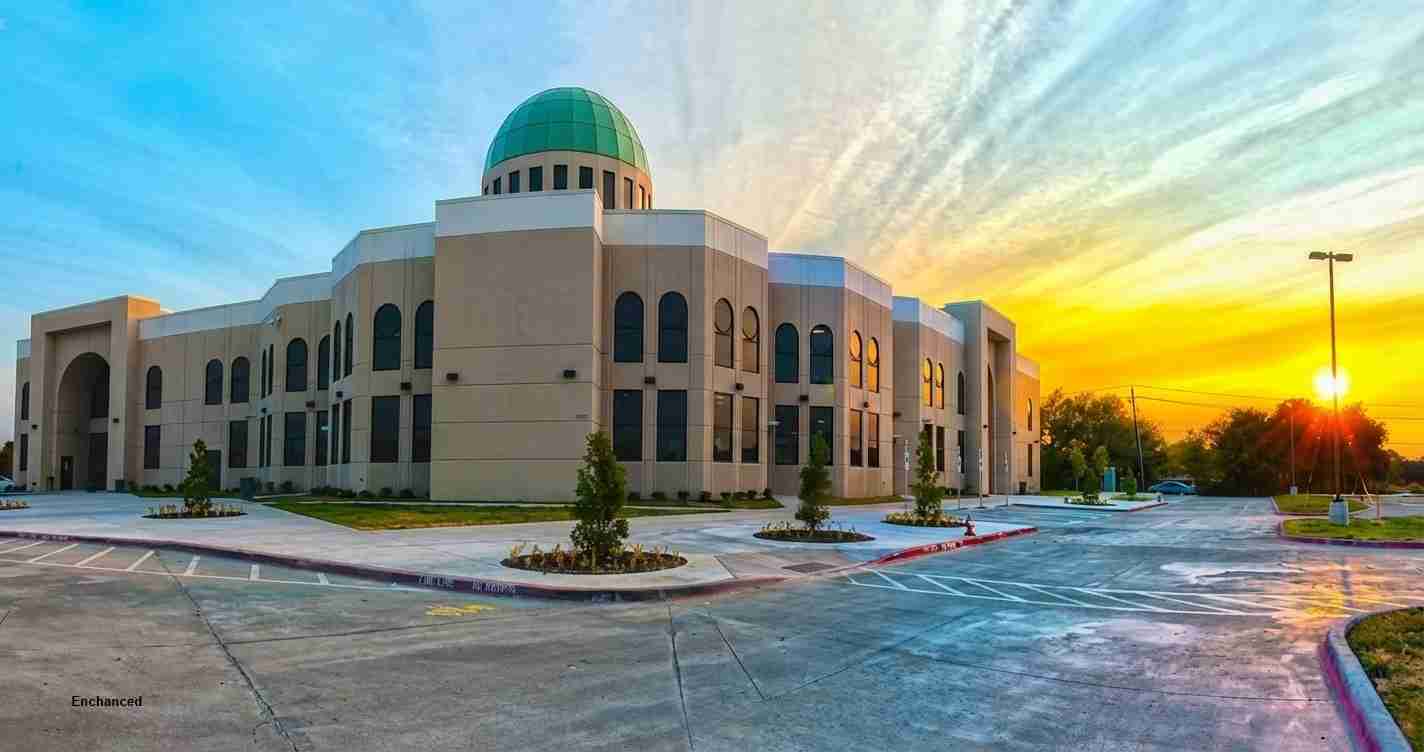
Texas AG sues EPIC City developers after probe finds alleged fraud, misleading “Muslims‑only” marketing for The Meadow
Texas Attorney General Ken Paxton filed a civil enforcement lawsuit Dec. 5, 2025, against EPIC City developers, alleging unregistered securities offerings, fraud, deceptive trade practices and marketing a residential project as a “Muslims‑only” community.
Key takeaways
- AG lawsuit filed Dec. 5, 2025: Ken Paxton sued East Plano Islamic Center (EPIC), Community Capital Partners and individual leaders tied to The Meadow.
- Allegations include: unregistered securities, fraud, deceptive marketing and discriminatory “Muslims‑only” promotion in potential violation of Texas and federal fair housing laws.
- Evidence cited: investigators obtained more than 750 documents and promotional materials the state says show misstatements and undisclosed videos about the project’s location.
- Relief sought: temporary restraining order, injunctions, civil penalties, disgorgement of funds and bars on future similar ventures.
Background: EPIC City and The Meadow project
EPIC City, proposed by the East Plano Islamic Center (EPIC) and branded as The Meadow, was marketed as a mixed‑use, faith‑based community with homes, businesses, schools and religious facilities on hundreds of acres in North Texas. Developers pitched the plan as a faith‑centered enclave where Muslim families could live near cultural and religious life.
Fundraising and planning were run through a corporate partner called Community Capital Partners. State investigators opened a formal securities probe in March 2025 after complaints about how money was raised and who was allowed to invest.
The investigation and allegations
Paxton’s office focused on whether EPIC and related entities sold interests in The Meadow as securities without proper registration or exemption under Texas law. The state’s complaint lists several alleged violations, including:
- Offering and selling unregistered securities by soliciting investments without required filings or disclosures.
- Failing to confirm investor status as accredited investors where required for private offerings.
- Using promotional materials and undisclosed online videos to solicit funds in ways the state says violated solicitation rules.
- Misrepresenting the project’s location — promoting The Meadow as in the Josephine area while it sits on unincorporated land between Collin and Hunt counties.
The complaint cites more than 750 documents and responses obtained from Community Capital Partners and related entities, which the state says show a pattern of misleading statements and improper fundraising that put investors and potential residents at risk.
Alleged “Muslims‑only” marketing and fair housing concerns
Central to the suit is the claim that EPIC City was marketed as a community exclusively for Muslims. Paxton’s filing says promotional materials and internal messages explicitly or implicitly restricted residency, investment or membership to people of the Muslim faith — an approach Texas officials assert violates the Texas Fair Housing Act and the federal Fair Housing Act.
“Marketing a residential development as ‘Muslims‑only’ constitutes unlawful religious discrimination in housing,” the filing asserts, citing federal and state fair housing rules.
Legal experts say faith‑based groups can receive narrow religious land‑use accommodations, but those do not permit outright exclusion of non‑members from housing. The U.S. Department of Housing and Urban Development provides guidance on religious discrimination in housing.
What Paxton is asking the court to do
- Issue a temporary restraining order and preliminary injunction to halt all development and fundraising tied to The Meadow.
- Enter a permanent injunction preventing future unlawful operations.
- Assess civil penalties and require disgorgement of funds obtained through alleged illegal securities sales.
- Bar the defendants from pursuing similar real estate or investor‑funded projects in the future.
Paxton described the action as consumer protection and enforcement of the rule of law, saying the state will stop the project and bar the developers from creating “another fraudulent operation.”
Community and legal reactions
Reactions have been mixed. Some Muslim and interfaith leaders warned against treating faith‑based initiatives as criminal enterprises and urged the state not to stigmatize religious communities. Meanwhile, housing and civil rights advocates praised enforcement of fair housing laws, warning that religious exclusion in housing risks segregation and discrimination.
Securities law specialists noted that community real estate projects face complex rules when accepting private investments or crowdfunding development — especially when offerings are not registered or investors are not vetted.
Status of The Meadow project
The filing and the state’s request for emergency relief have effectively frozen The Meadow’s fundraising and some development activities. The court had not ruled on the requested temporary restraining order as of December 2025; while proceedings continue, major work and investor solicitation appear halted.
Broader legal and policy questions
Observers say the case raises three key issues that may set precedents in Texas and beyond:
- How faith‑based communities can lawfully develop housing while complying with securities, zoning and fair housing laws.
- The limits on marketing and membership rules for religious communities that could cross into unlawful discrimination.
- How states enforce investor protection rules when private groups raise funds for large building projects.
Implications for Fresno, California
Economic impact
Investment practices under scrutiny in Texas can ripple to investors and developers in Fresno. Local groups planning large private developments that rely on community investment should review securities rules to avoid similar legal risk. Court orders for disgorgement or penalties could make national investors more cautious, potentially raising financing costs for Fresno projects using private capital.
Political consequences
The Texas AG’s action shows how states use consumer protection tools to police real estate and religiously focused projects. Fresno city and county officials may face pressure to tighten oversight of community‑funded developments and ensure compliance with state and federal laws.
Social effects
Fresno’s diverse faith communities may worry about being targeted if they pursue similar projects. Local faith leaders may increase public outreach and legal review when planning faith‑centered housing, while civil rights advocates could push for clearer rules to prevent discrimination and protect inclusive access.
Cultural relevance
Allegations that EPIC City was promoted as “Muslims‑only” resonate in Fresno, home to a significant Muslim population. The case could spur local debates about balancing cultural cohesion with California’s robust anti‑discrimination laws.
Practical applications for residents
- Homebuyers, investors and nonprofits in Fresno should ask developers clear questions about funding mechanisms and eligibility rules.
- Community organizations should consult legal counsel before marketing membership or residency preferences tied to religion.
- City officials and housing agencies may review permitting and publicity rules to ensure compliance with fair housing laws.
Sources and where to read more
Key source material and guidance cited in this report:
- Texas Attorney General news and press releases
- Texas State Securities Board
- U.S. Department of Housing and Urban Development — Fair Housing
Additional references cited in the complaint, press materials and filings were preserved from Texas Attorney General materials and state securities filings; investigators reported more than 750 documents obtained during the probe.
Note: EPIC and its lawyers had not published a detailed public rebuttal as of December 2025; they are expected to contest the claims in court. This lawsuit is being watched for its potential to influence how intentional, faith‑oriented communities raise money, market themselves and comply with housing and securities laws.


