SAG-AFTRA condemns AI performer after viral “Tilly Norwood” prompts industry backlash
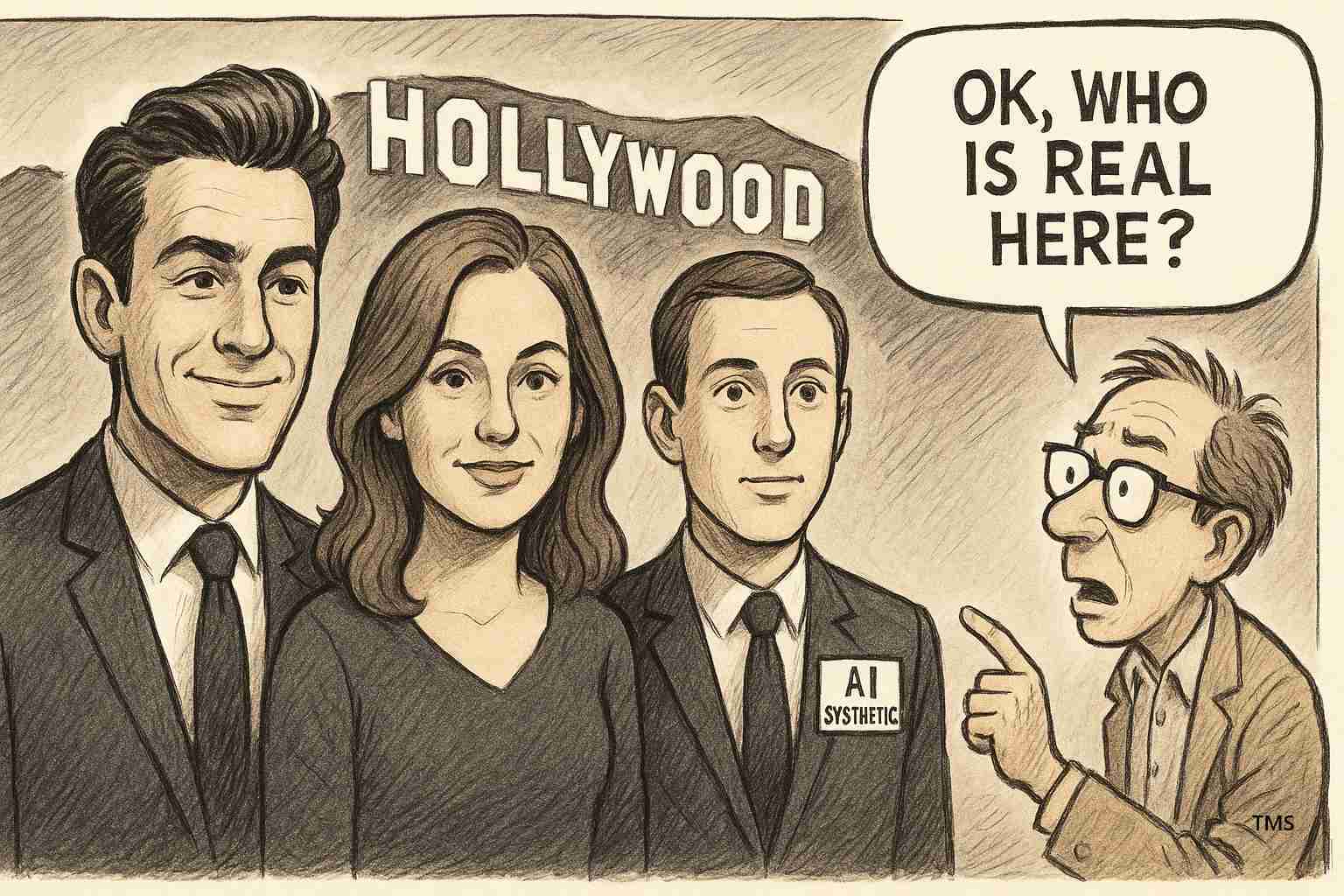
SAG-AFTRA, the leading actors’ union, has issued a forceful condemnation against the emergent AI synthetic actress ‘Tilly Norwood’ after her viral debut, warning that AI performers threaten livelihoods and creative rights of human actors in Hollywood.
Key takeaways
- Union response: SAG-AFTRA condemned the synthetic performer as a threat to jobs, likeness rights and bargaining power.
- Industry dispute: Production claims of agency interest were denied or downplayed by several talent agencies.
- Policy push: The incident renewed calls for transparency, disclosure rules and legal protections for human creatives.
Main content
Background: how Tilly Norwood went viral
Tilly Norwood surfaced on social platforms this month as a presented persona from a production company. The project posted model-style shoots, short performance clips and scripted “interviews” created with generative AI, and quickly attracted thousands of followers and industry attention.
The company described Tilly as a fully synthetic performer — an experiment in digital storytelling they said could scale into film, television and branded work. The producers also claimed that several talent agencies had expressed curiosity about representation, a claim that sparked immediate scrutiny.
SAG-AFTRA’s response
SAG-AFTRA moved quickly with an official condemnation, arguing that synthetic performers like Tilly Norwood endanger the livelihoods, creative control and dignity of human actors. The union framed attempts to recruit or represent AI creations as an erosion of labor protections built over decades.
“Consent, disclosure and compensation standards must apply when AI is used to create or substitute for human talent,” the union said in an official release (SAG-AFTRA statement).
Industry reaction and the agency claims
Major agencies largely distanced themselves from the idea of signing an AI “actress.” While the production company reported interest, several agencies denied formal offers or described early inquiries as exploratory. Some representatives labeled the move a publicity stunt testing AI boundaries.
Commentators compared Tilly to long-running virtual influencers — such as Lil Miquela — but emphasized the difference: Tilly was being positioned explicitly as an actress to be represented and cast, which escalates labor and legal concerns.
Creators defend the experiment
The production company described Tilly as a creative experiment that could provide new storytelling tools: lower costs, rapid iteration and novel visualization options for directors. They asserted humans would remain in creative control — with writers, directors and producers shaping any output attributed to the synthetic performer.
Following the backlash, the company said it would not pursue casting Tilly without clear disclosure of her artificial status and suggested the debate could encourage healthier conversations about responsible AI use in storytelling.
Legal, ethical and labor questions
The Tilly episode sharpened long-running debates around:
- Likeness and consent: How should laws treat images, voices and performances when AI can replicate or generate likenesses? Unions want consent and compensation when AI uses a performer’s identity.
- Job displacement: Unions fear studios might favor synthetic performers to cut costs, reducing roles for human actors and weakening collective bargaining.
- Disclosure and transparency: Audiences may be misled if AI performers are presented as human; many call for clear labeling and disclosure.
- Intellectual property and revenue: Rights to AI-generated performances and profit allocation remain legally unclear.
These concerns echo issues central to the 2023 SAG-AFTRA strike, and the Tilly case has renewed pressure on studios and lawmakers to define rules balancing innovation with workers’ rights.
Voices from across the creative community
Actors, agents and labor advocates weighed in. Some performers described the synthetic actress as a direct threat, warning of cheap, uncompensated performances. Others in tech and production argued AI can be a useful tool if deployed with transparency and in partnership with human talent.
Commentators also raised cultural concerns about normalizing artificially created humans in entertainment. While virtual influencers have demonstrated commercial value, critics maintain that replacing human performance crosses an ethical line for many.
Source notes and further reading
Reporting for this story draws on union statements and industry interviews, and coverage of virtual influencers and AI in entertainment. For union guidance, see SAG-AFTRA’s website. For context on virtual influencers, see The New York Times’ reporting on virtual influencers. Parent reporting and documentation are from Times Media Service.
Implications for Fresno, California
The Tilly Norwood incident has localized consequences for regions like Fresno, touching economic, political and social areas.
Economic impact
- Local film and TV workers: Fresno’s modest but growing film community could see reduced demand for casting, background actors, makeup artists and on-set crew if studios increasingly use AI performers.
- Production services: Post-production houses, VFX shops and freelance editors might gain AI-related work or face competition if workflows centralize elsewhere.
- Education and retraining: Community colleges and arts programs may see demand for courses in digital production, AI ethics and hybrid storytelling tools.
Political consequences
- Local policymakers: Fresno officials may be asked to support statewide or federal protections that safeguard workers and mandate transparency around synthetic performers.
- Labor organizing: Local union chapters could use the episode to push for stronger protections in California law.
Social effects
- Community perceptions: Creative professionals in Fresno may feel anxiety about gig stability, while some entrants see AI tools as new creative opportunities.
- Media literacy: The case highlights the need for regional media literacy so audiences can identify synthetic content and understand ethical stakes.
Cultural relevance
- Storytelling and representation: Fresno filmmakers focused on authentic local voices may resist displacement by synthetic performers.
- Festivals and screenings: Regional festivals might adopt disclosure rules for entries that use AI-generated performers to show support for transparency.
Practical applications for residents
- Job-seekers should consider expanding skills to include AI-aware production roles, VFX and digital strategy.
- Arts organizations could offer short courses on ethical AI in media to help workers pivot or upskill.
- Audiences can demand clearer disclosure when creators and brands use synthetic characters.
Reporting note: This article draws on the union’s public statements, Times Media Service reporting and industry commentary about virtual influencers and AI in entertainment. For more, visit SAG-AFTRA and The New York Times’ coverage of virtual influencers.