Abigail Spanberger Wins Virginia Governor’s Race, Becomes First Woman to Lead State; Highlights Economic Message in Victory Speech
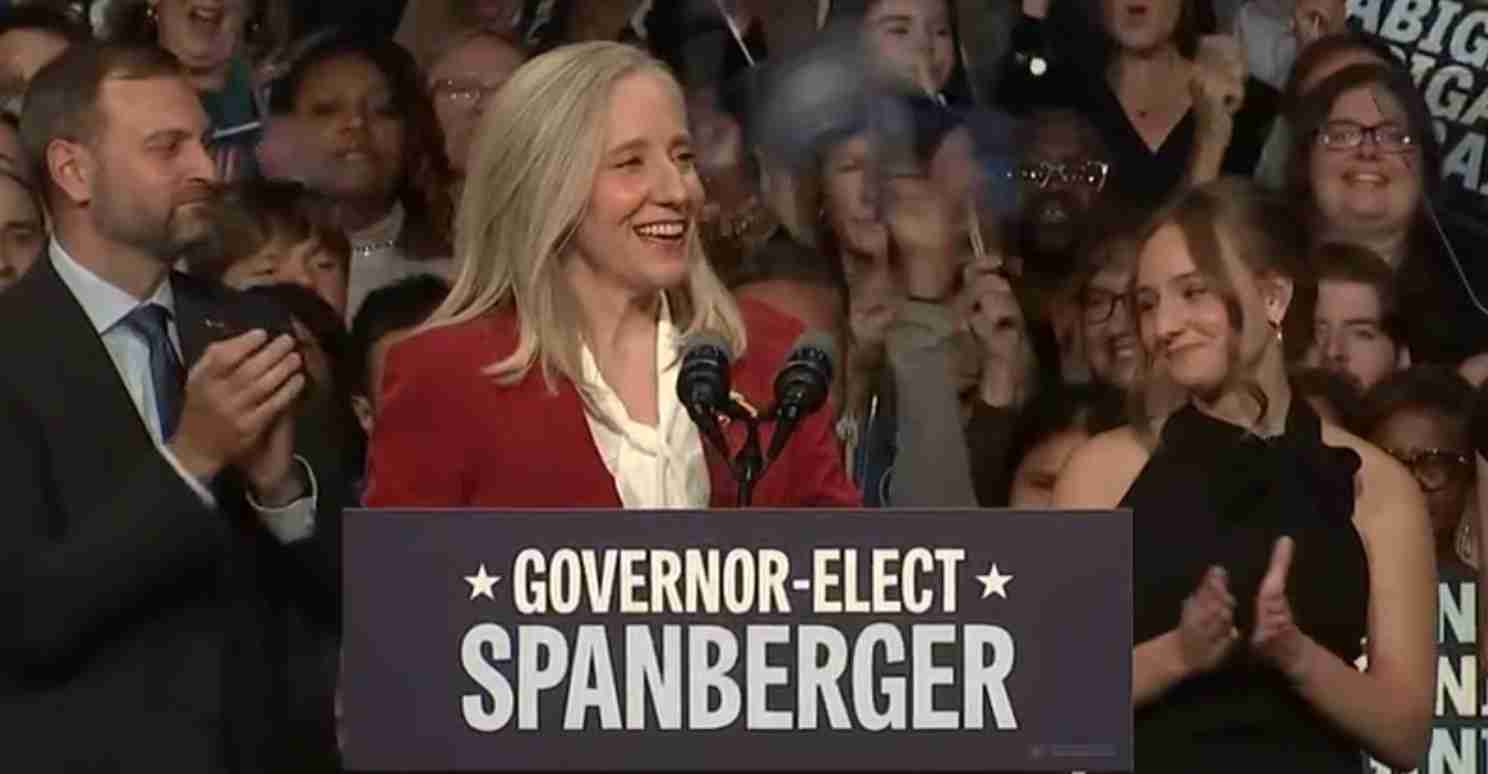
Richmond — Democrat Abigail Spanberger has been projected the winner of Virginia’s gubernatorial contest, becoming the state’s first female governor. NBC News called the race based on strong suburban turnout and Spanberger’s focus on economic and education priorities.
Key takeaways
- Winner: Abigail Spanberger (Democrat); projected by NBC News.
- Historic: Spanberger is the first woman elected governor in Virginia history (NBC News).
- Campaign themes: Economic affordability, stronger public schools, public safety, and bipartisan problem-solving (see Spanberger’s campaign site).
- Republican opponent: Earl Sears struggled to gain traction and lacked a high-profile endorsement from former President Trump (NBC News).
Main story
Victory speech and campaign themes
Abigail Spanberger celebrated election night as both a political victory and a historic milestone. In remarks acknowledged by her campaign, she thanked voters and reiterated a platform centered on practical economic solutions, investments in public education, and public-safety measures.
While a full transcript of her speech was not published in available sources, her priorities are summarized on the campaign site: investments in teacher pay, early childhood education, and affordability measures aimed at housing and childcare (Spanberger’s campaign site).
“My focus will be on making Virginia more affordable and investing in our public schools,” Spanberger’s campaign releases and coverage summarized of her election-night remarks.
Election night dynamics
Network projection models attributed the call to strong Democratic turnout in the Washington, D.C., suburbs and voters’ responsiveness to Spanberger’s economic messaging. Analysts cited NBC News election-night analysis when describing how suburban precincts swung the statewide outcome.
Republican nominee Earl Sears faced difficulties breaking through in those suburban areas; observers noted the absence of a high-profile endorsement from former President Trump as one factor that limited his appeal to some conservative voters (NBC News).
What Spanberger said and promised
Spanberger’s stated governing priorities include:
- Strengthening public schools: investments in teachers, classroom resources, and early-childhood education (campaign site).
- Affordability: targeted policies to reduce housing and childcare costs and ease pressure on family budgets (campaign site).
- Public safety: balanced approaches supporting law enforcement while addressing root causes of crime.
- Bipartisan cooperation: a pragmatic stance emphasizing cross-party problem-solving (campaign site; NBC News).
Election-night messaging framed the win as a validation of focusing on voters’ pocketbook issues rather than nationalized partisan fights — an approach analysts say resonated in suburban districts.
Election context and analysis
Spanberger’s victory fits a pattern in Virginia politics where suburban shifts and turnout dynamics determine statewide results. Commentators leaned on the network projection by NBC News to explain how turnout outside urban cores provided a decisive edge.
Republican setbacks were attributed to a mix of messaging and organizational problems. The lack of a unifying endorsement from national figures — including the absence of a prominent Trump endorsement noted by analysts — was cited as limiting the Republican nominee’s ability to consolidate conservative and moderate voters alike (NBC News).
Source attribution
- NBC News — election-night projection and analysis reporting Spanberger’s victory and suburban turnout dynamics.
- Abigail Spanberger campaign site — outlines campaign priorities on education, affordability, and bipartisanship.
Implications for Fresno, California
Though geographically distant, Spanberger’s win offers lessons for Fresno-area leaders and candidates:
- Economic messaging: Emphasizing practical plans to ease cost-of-living pressures — housing and childcare — can build broad coalitions among moderates.
- Education policy: Renewed attention to teacher pay and early-childhood education may influence advocacy priorities in Fresno’s school districts.
- Suburban behavior: Targeted messaging to suburban and exurban voters in Clovis and surrounding areas could swing local races.
- Organizing and turnout: Focused turnout operations in suburban precincts and low-turnout neighborhoods can be decisive.
- Message discipline: A bipartisan, problem-solving posture may appeal to moderate Fresno voters concerned with day-to-day costs.
Data limitations and next steps
This account relies on the NBC News projection and statements from the Spanberger campaign. Detailed official vote totals, precinct-level returns, and any statements from the opposing campaign were not provided in the cited sources. For certified results, consult the Virginia Department of Elections and updated national outlets.
For Fresno readers, monitor how state and local candidates adopt economic and education messaging ahead of 2026 races; local leaders can adapt policies on housing, childcare, and workforce training informed by the Virginia outcome.