How Blackpool’s £1 burger at Higgitt’s Las Vegas Arcade stayed £1 for nearly 20 years — and why tourists keep lining up
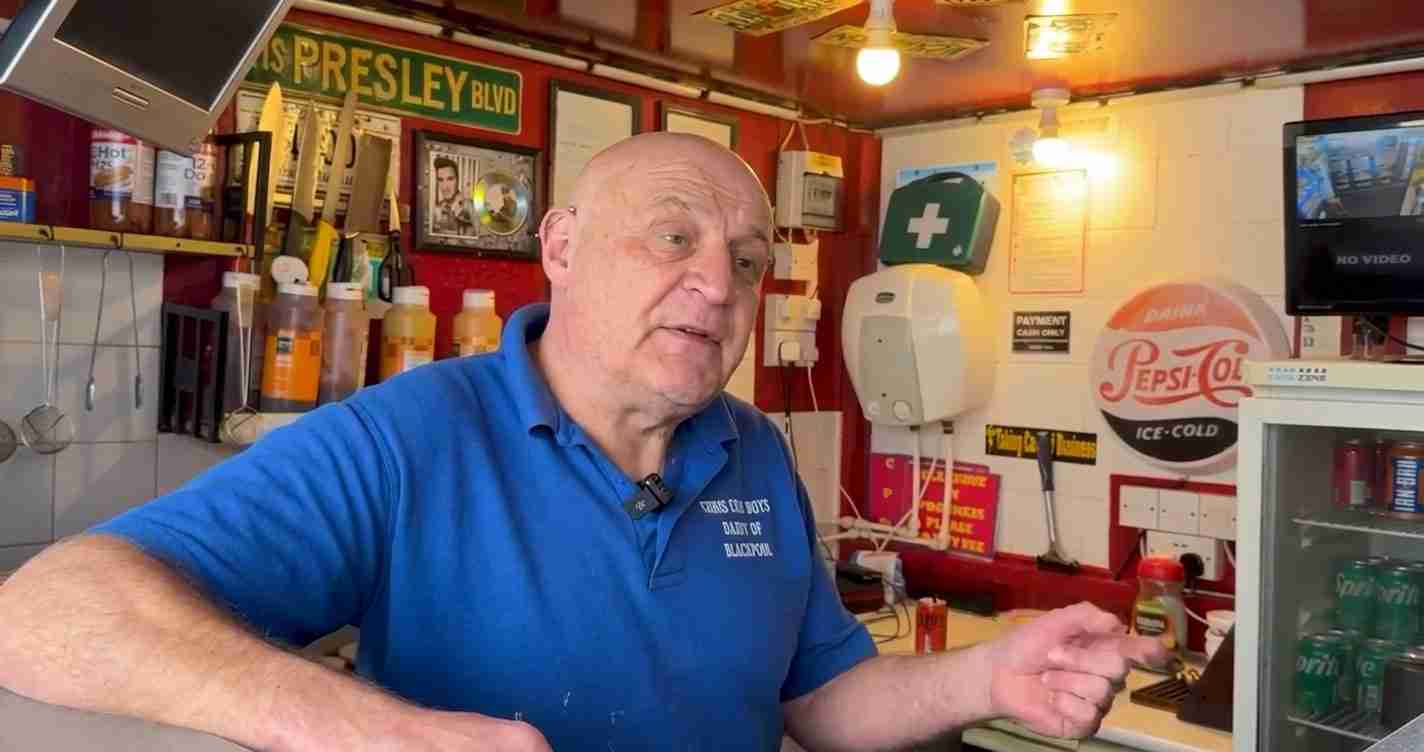
Chris Higgitt has sold his signature burger for £1 at Higgitt’s Las Vegas Arcade in Blackpool since 2006, keeping the price unchanged through bulk buying, tight operations and viral social media that drives long tourist queues.
Key takeaways
- Price point: The signature Blackpool burger has been sold for £1 since 2006 (about $1.34 US).
- Unit cost and margin: Reported unit cost is ~50 pence (~£0.50, roughly $0.68), implying a ~50% gross margin before overheads.
- Business drivers: Bulk purchasing, operational efficiency and social-media-driven high volume sustain the low price.
- Revenue mix & schedule: The burger operation generates ~90% of the couple’s revenue and runs seven days a week from March through November.
The burger and the price
Higgitt’s single-item headline is deliberately simple: a bun, an English beef patty, raw or grilled onions and sauce. Chris Higgitt set the price at £1 when the arcade bought the business in 2006 and says he has never raised it. At modern exchange rates reported in coverage, that equates to roughly $1.34 in U.S. dollars. The low price has made the stand a tourist magnet and earned it the label “Britain’s cheapest burger.” Source reporting summarized by Fox News.
How Higgitt says he makes it work
In interviews relayed by SWNS and covered in national reporting, Higgitt credits three practical levers that keep the £1 price viable:
- Bulk purchasing: buying ingredients in large lots to reduce unit input costs.
- Operational efficiency: tight prep routines and a simple product reduce time, waste and variability.
- High volume: steady tourist foot traffic and viral creator videos spread fixed costs across many sales.
Higgitt estimates a cost per burger of about 50 pence, yielding roughly a 50p gross margin before other overheads such as labor, rent, permits, insurance and equipment. He says maintaining the price depends on preserving that steady customer stream and the economies of scale it brings. Reporting summarized by Fox News.
Viral burger bar: social media’s outsize role
A notable portion of the stand’s popularity comes from short-form video and creator posts. TikTok creators and YouTubers share clips of the queue, the price and taste tests; Higgitt welcomes creators because their content attracts new visitors and amplifies the place’s buzz. These videos regularly push foot traffic into hour-long lines during peak season, reinforcing the high-volume economics that allow the low price to persist. Source coverage: Fox News.
From side hustle to main income
The £1 burger began as a tactical move to shore up the family’s arcade. Chris Higgitt previously worked as a processing and quality engineer and ran a bed-and-breakfast with his wife, Karen. When they purchased the arcade in 2006 they added the burger bar as a side business; Higgitt says he “sat down and did the math” to determine if £1 could work.
Over time the burger counter grew and now supplies about 90% of the couple’s revenue. The stand operates daily during Blackpool’s main tourist months and is open seven days a week from March through November.
Menu and operations
While the £1 burger is the marquee item, the stand also sells hot dogs, Spam sandwiches and sausage sandwiches. Reporting focuses on the burger as the main draw and does not provide detailed pricing for other items. The seasonal operating calendar — March through November — aligns staffing and supply with tourist demand and helps limit off-season overhead.
Business model realities and limits
Simple math, thin margins: if the 50p cost estimate is accurate, each burger yields roughly a 50p gross margin. That must cover labor, rent, taxes, equipment amortization and other running costs. The model works with high and predictable volume, which Blackpool’s beach crowds and the viral profile help provide.
“The math adds up if volume is high and predictable,” the reporting notes — but margins can tighten if visitor numbers fall, costs spike, or supply disruptions occur.
The public reporting does not disclose exact rent, wages or sales volumes, so a full profitability accounting is not publicly available. What is clear is Higgitt’s reliance on three linked factors: low unit cost, heavy footfall and strong social media attention.
Public portrayal and wider context
Media coverage frames Higgitt’s stand as a human-interest contrast to rising food and energy prices: the unchanged £1 price after nearly two decades stands out amid national and global inflation. Stories emphasize the spectacle — customers willing to wait more than an hour — and creators labelling it the “£1 burger” or “Britain’s cheapest burger.” Much of the published reporting draws on SWNS reporting summarized by Fox News.
Implications for Fresno, California
Economic impact: Fresno small-food businesses can adopt Higgitt’s focus on unit cost and volume: buy in bulk, simplify menus, and match service hours to demand. However, Fresno lacks Blackpool’s seaside tourist surges, so volume strategies should rely on local foot traffic, events or targeted marketing.
Labor & regulation: Higgitt’s approach assumes predictable, low labor costs and a simple menu. In Fresno, minimum wages, local health regulations and permit fees can raise baseline expenses; owners should model conservative scenarios that include these higher costs.
Marketing & seasonality: welcoming creators and using short-form video can pay off, but viral success is unpredictable. Fresno vendors should tie promotions to reliable seasonal draws — county fairs, farmers markets, Big Fresno Fair and campus calendars — to concentrate sales and reduce year-round overhead.
Practical applications for Fresno residents
For entrepreneurs considering a low-price signature item, consider these steps:
- Do the math: calculate true unit cost including labor, compliance and overhead.
- Focus the menu: simplify preparation to reduce time, errors and waste.
- Lock prices thoughtfully: distinguish promotions from permanent pricing to avoid long-term losses.
- Use local partners: consider bulk-purchase cooperatives or shared storage to lower input costs.
- Build steady traffic: tie offers to campus calendars, local events and neighborhood needs rather than relying solely on viral exposure.
Sources and reporting note
Most public details about the Blackpool £1 burger come from SWNS reporting as summarized by Fox News. For reference, the coverage cited throughout this article is available via that report.