
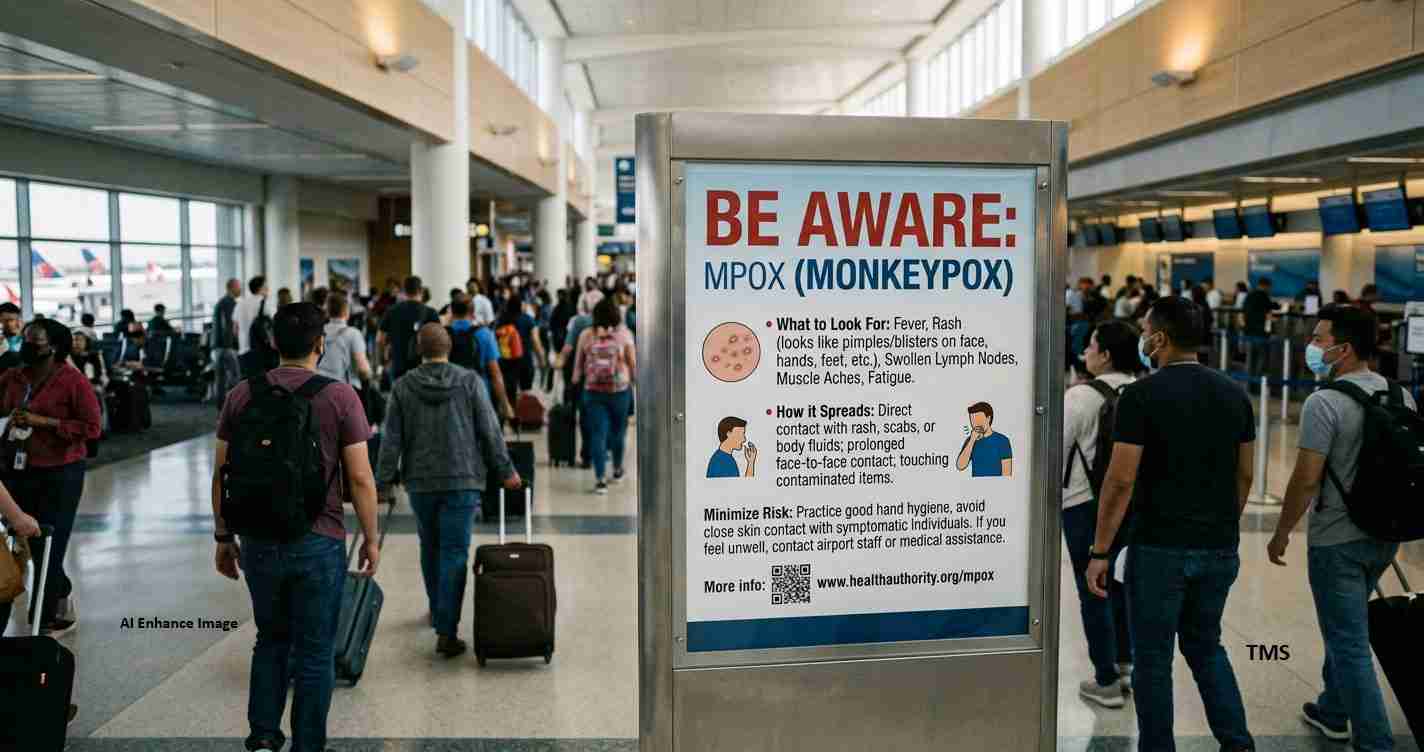
Health officials find no verified U.S. Clade I mpox case as Europe’s hantavirus reports remain limited — what Fresno residents should know
Unverified social-media reports suggested a Clade I mpox case in Connecticut and claimed rising hantavirus activity in Spain and France. This article reviews official CDC, WHO, and state data to clarify risk and guidance for Fresno residents.
Key takeaways
- No verified Clade I mpox case in Connecticut or the U.S. — federal and state agencies had not confirmed any such importation as of May 14, 2026 (Connecticut Department of Public Health, Centers for Disease Control and Prevention — Mpox).
- Clade I is historically more severe but has been linked mainly to Central Africa; the 2022–2023 U.S. outbreak involved clade IIb (WHO — Mpox, PubMed virulence study).
- European hantavirus activity remains limited and localized; no WHO alert of a large cross-border outbreak in Spain or France as of May 14, 2026 (WHO — Hantavirus, ECDC — Hantavirus).
Investigating the Clade I mpox claims
What circulated: Social posts and some local reports suggested Connecticut identified a Clade I mpox case tied to travel from Western Europe. We checked major public health sources and found no confirmation.
Official sources: The Connecticut Department of Public Health and the CDC mpox page had not posted an advisory or press release verifying a Clade I mpox case in Connecticut as of this article’s date. The WHO’s mpox updates likewise showed no alert for a new U.S. Clade I import. Until a state or federal public health agency posts details, the report remains unconfirmed.
What is Clade I mpox and why it matters
Mpox viruses are grouped into clades that differ genetically and in clinical severity. Clade I (often found in Central Africa) has been associated with more severe illness and higher case fatality in unvaccinated people; clade II (including IIb) caused the 2022–2023 global outbreak and has generally caused milder disease in recent years (WHO — Mpox).
Laboratory and animal-model studies indicate clade I is more virulent than clade II strains (PubMed study). Symptoms include fever, swollen lymph nodes and a characteristic rash that may last weeks. The JYNNEOS vaccine (two doses) is recommended for people at increased risk and remains the best prevention (CDC — Mpox vaccines).
What the record shows about the U.S. and clade I
Historically, Clade I has been identified mainly in Central Africa. There have been no verified domestically acquired Clade I mpox cases in the U.S. in recent public health records; the sizable U.S. outbreak in 2022–2023 involved clade IIb. Public health labs use genomic sequencing to identify clades; any confirmed importation of Clade I would prompt state and federal updates (Nextstrain — mpox genomic tracking).
Hantavirus reports in Europe: facts and context
Social media also circulated claims of a spike in hantavirus cases in Spain and France. European hantavirus infections do occur, often seasonally, and are typically linked to contact with infected rodents or their droppings. The WHO hantavirus fact sheet and the ECDC guidance indicate cases are generally rare and localized; as of May 14, 2026 there were no WHO alerts indicating a new cross-border outbreak in Spain or France.
Hantaviruses cause two main illnesses: Hantavirus Pulmonary Syndrome (HPS) — more common in the Americas and potentially severe — and Hemorrhagic Fever with Renal Syndrome (HFRS) — which occurs in parts of Europe and Asia. Most European cases are milder forms linked to viruses such as Puumala; human-to-human transmission in Europe is very rare.
Mpox vs. hantavirus: similarities and key differences
- Cause: Mpox is an orthopoxvirus; hantaviruses are bunyaviruses (WHO — Mpox, WHO — Hantavirus).
- Transmission: Mpox spreads mainly through direct contact with lesions, body fluids or contaminated materials and close respiratory contact; hantavirus spreads primarily via inhalation of aerosolized rodent excreta (CDC — Mpox, CDC — Hantavirus).
- Symptoms: Mpox: fever, swollen lymph nodes, rash. Hantavirus: fever, muscle aches, potential progression to severe respiratory failure (HPS) or kidney problems (HFRS).
- Prevention: Mpox: vaccination (JYNNEOS) and avoiding close contact with symptomatic people. Hantavirus: rodent control, sealing entry points, safe cleanup of droppings.
What officials recommend now
Public health agencies encourage vaccination for people at risk of mpox and urge anyone with symptoms or exposure to contact their health department or clinician. For hantavirus, officials advise rodent control, sealing homes, and safe cleanup of rodent droppings. Travelers should follow guidance from health authorities when visiting areas with endemic disease (CDC — Mpox, CDC — Hantavirus).
Implications for Fresno, California
Economic impact: Fresno’s economy relies on agriculture, seasonal workers and summer events. The current situation—an unconfirmed Clade I mpox report in Connecticut and limited hantavirus activity in Europe—poses little direct economic risk to Fresno. However, misinformation can disrupt travel, farm labor planning or local festivals. Clear public messaging can help avoid cancellations or labor shortages.
Political consequences: Local officials may face questions about preparedness and communication. Timely updates from Fresno County Public Health and the California Department of Public Health can reduce politicization by focusing on verified facts: no confirmed Clade I importation and hantavirus in Europe is not a local outbreak.
Social and cultural effects: Fresno’s diverse communities include travelers and visitors. Multilingual outreach about mpox symptoms, vaccine availability and rodent-avoidance measures will protect vulnerable groups. Event organizers should follow public-health guidance on screening and encourage vaccination for those at elevated risk.
Practical steps for residents
- Mpox vaccination: If you are at higher risk (close contact with a diagnosed person or specific exposure/travel situations), speak with a provider about JYNNEOS vaccination.
- Watch for symptoms: Fever, swollen lymph nodes, rash — seek testing or medical advice if concerned (CDC — Mpox symptoms).
- Hantavirus prevention: Seal rodent entry points, store food securely, ventilate spaces before cleaning, wear gloves and disinfect when cleaning droppings (CDC — Hantavirus).
Sources and further reading
- Centers for Disease Control and Prevention — Mpox
- Centers for Disease Control and Prevention — Hantavirus
- World Health Organization — Mpox fact sheet
- World Health Organization — Hantavirus fact sheet
- PubMed: virulence study (CAST/EiJ mouse model)
- Nextstrain genomic tracking — mpox
- European Centre for Disease Prevention and Control — Hantavirus
- Connecticut Department of Public Health
- Fresno County Department of Public Health
Bottom line: As of May 14, 2026 there is no verified Clade I mpox case in the U.S. and European hantavirus reports remain limited. Monitor official state and federal public health websites for any new confirmations or guidance.



