Foul ball at T‑Mobile Park slams fan in head, reigniting debate over MLB fan safety and ‘Baseball Rule’ liability
At a Mariners game at T‑Mobile Park, fan Jamie Golla was struck in the head by a hard foul while recording a selfie, reigniting debate over MLB fan safety, netting policies and liability under the ‘Baseball Rule’.
Key takeaways
- Incident: Jamie Golla was hit on the top of the head by a screaming line‑drive foul while filming a selfie in the lower bowl at T‑Mobile Park.
- Injury & care: She was taken to Harborview Medical Center for evaluation and reported swelling and minor headaches.
- Legal context: The long‑standing Baseball Rule and ticket disclaimers frequently limit stadium liability.
- Practical advice: Fans should prioritize netted or behind‑the‑plate seats, supervise children, and avoid distractions like selfies during live play.
Main story and analysis
What happened at T‑Mobile Park
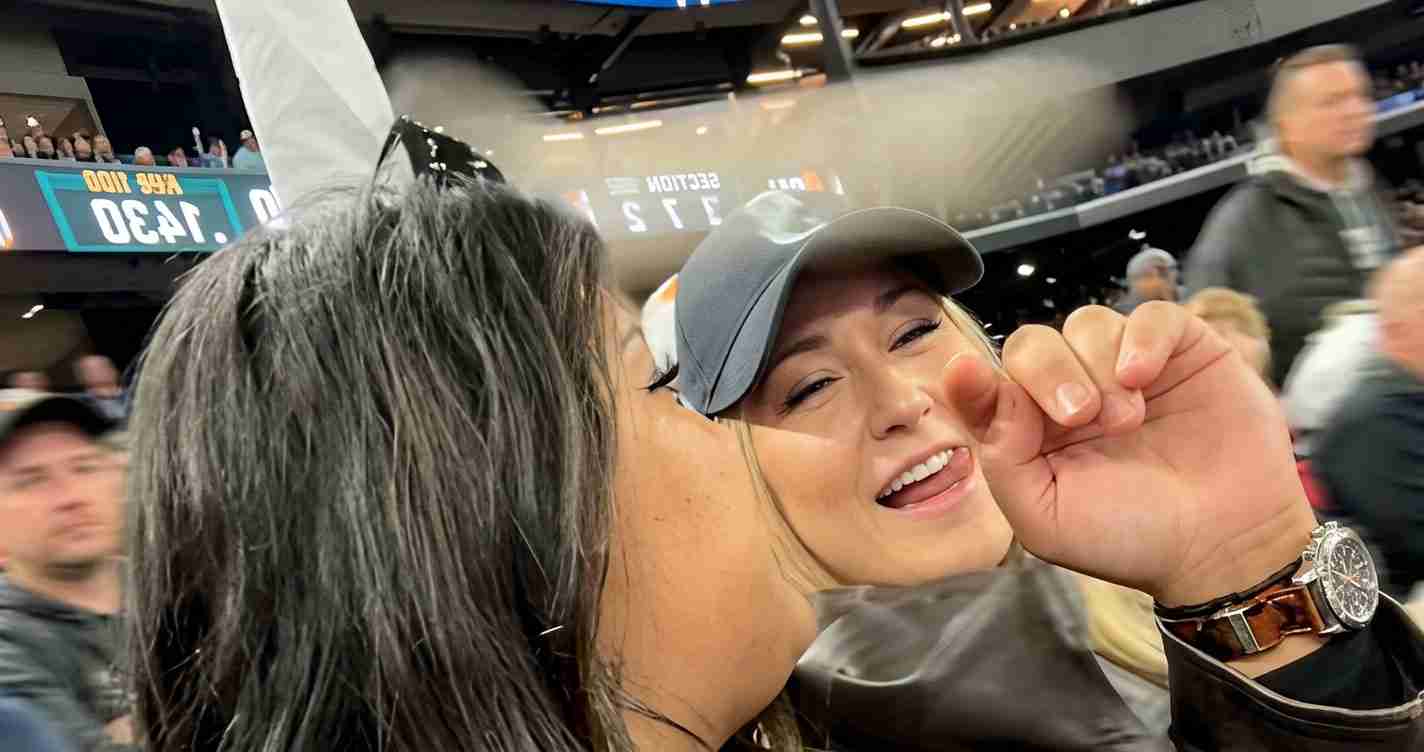
Jamie Golla and a friend were seated in the lower bowl down the third‑base line, filming a selfie video when a sharp foul off Sung‑mun Song’s bat flew into the stands and struck the top of Golla’s head. The incident was captured on the selfie clip, which clearly shows and audibly records the instant of impact — a loud, sharp snap that illustrates how little time spectators often have to react.
Golla said she was “feeling a little better than yesterday,” though her head remained swollen and she experienced intermittent minor headaches.
A Mariners staffer checked on her after the game and offered future tickets. The initial reporting on Golla’s condition and hospital visit appeared in the New York Post, and the clip has circulated widely across sports and commentary outlets including OutKick and Fox News. San Diego won the game 2–0.
How common are foul‑ball injuries?
Foul‑ball injuries at professional games are not rare. Legal advocates and safety researchers estimate roughly 1,500 to 1,750 fans nationwide are hurt by foul balls each year, with injuries ranging from cuts and bruises to severe head and eye trauma. High‑profile child injuries and other serious cases have driven league attention and policy changes; reporting and analysis of fan injuries appears in outlets such as ESPN, and aggregated legal and injury context is discussed by firms like Nomberg Law.
The legal backdrop: the “Baseball Rule” and ticket disclaimers
In U.S. tort law, the so‑called Baseball Rule generally limits stadium and team liability when spectators are struck by batted or broken equipment. Courts have held that teams satisfy their duty of care by providing screening behind home plate and offering a reasonable number of protected seats; fans who choose unprotected seats may be considered to have assumed the risk. Legal summaries and explanations of the doctrine can be found on Wikipedia — Baseball rule and in practice guides such as those provided by Nomberg Law.
Most tickets include assumption‑of‑risk language and terms of sale that explicitly warn spectators of the inherent risks of live baseball, making civil suits difficult to win absent unusual facts — for example, defective netting, gross negligence, or unforeseeable hazards beyond the normal game experience.
MLB’s netting changes and continuing gaps
MLB has expanded protective netting following studies and several notable fan injuries. In 2016, Commissioner Rob Manfred recommended extending netting to the near ends of both dugouts, and the league followed with a broad rollout; the official MLB statement documents that policy shift.
Despite extensions, nets often end well before the foul poles and many lower‑line seats remain exposed to high‑velocity line drives. The T‑Mobile Park incident shows how quickly a fan can be struck while seated near the third‑base line, even with modern netting in place.
Player and safety experts’ advice
Players and safety advocates emphasize awareness as the primary defense. Common recommendations include:
- Sit behind extended netting, especially with children.
- Choose seats farther from the field so balls lose speed before reaching spectators.
- Avoid distractions — phones, food, and selfies — during pitches.
- Keep children close and supervised; assume they may not notice an incoming ball.
Practical takeaways for fans
If safety is your priority, choose seats behind extended netting or behind the plate. When seated near the field, minimize distractions like selfies and keep your head on a swivel. Parents should prioritize netted seats for children or be ready to shield them. Remember that legal recourse is often limited under the Baseball Rule and ticket disclaimers unless extraordinary circumstances apply.
Implications for Fresno, California
Economic: Fresno’s baseball community — from college and minor league to traveling major‑league fans — could shift ticket demand toward netted sections or packages highlighting safer seating. Local ticket sellers and businesses may market accordingly.
Political: For a moderate Fresno audience, the issue blends public safety and personal responsibility. While MLB stadium policies are set by teams and the league, local venues and regulators could be urged to enhance netting or improve ticket warnings, potentially drawing bipartisan support.
Social & cultural: Families and youth programs in the Central Valley may look to professional leagues for safety cues. A viral video of a fan struck while taking a selfie reinforces the tradeoff between proximity to the action and increased exposure to live play.
Local advice: Fresno fans should check seat maps and netting before purchasing, opt for behind‑the‑plate seats with children, remain attentive during play, and if injured seek immediate medical attention and document the incident (photos, witnesses).
Sources and reporting
This article draws on direct reporting and broader safety context from these sources:
- New York Post — coverage of Golla’s injury and hospital visit.
- OutKick and Fox News — commentary and framing emphasizing fan vigilance.
- ESPN — reporting on fan injury trends and notable cases.
- Nomberg Law and Wikipedia — Baseball rule — legal summaries of the Baseball Rule and ticket disclaimers.
- MLB statement — league guidance and netting policy history.
- Harborview Medical Center (UW Medicine) — local emergency care context referenced in reporting.
By preserving the facts of the T‑Mobile Park incident and outlining the legal, safety and community implications, this report highlights how fans, teams and leagues share responsibility for safety inside the ballpark.