Le’Veon Moss retirement shocks Dolphins fans: RB retires four days after signing as Miami Dolphins undrafted free agent, raising questions about NIL impact on NFL careers
Le’Veon Moss, a 23‑year‑old Texas A&M running back, retired four days after signing with the Miami Dolphins as an undrafted free agent, renewing debate over injuries and the potential influence of NIL money on early NFL career choices.
Key takeaways
- Instant retirement: Moss signed on May 8, 2026 and was placed on the reserve/retired list on May 12, 2026.
- Injury history matters: ACL/MCL tear in 2024 and an ankle injury in 2025 are central to explanations for his decision.
- NIL debate: Commentators speculate that college NIL earnings may change the risk calculus for marginal NFL prospects, though Moss’s personal NIL income is not public.
- Contract nuance: Reports say roughly $258,000 was guaranteed in his UDFA deal and he may need to return much of it after retiring.
Main content
Key information
- Player: Le’Veon Moss, 23, running back, Texas A&M (2022–2025).
- Transaction: Signed with MiamiDolphins.com as an undrafted free agent on May 8, 2026; placed on reserve/retired list May 12, 2026.
- College stats: 32 games, 321 carries for 1,767 yards and 22 rushing TDs; 24 catches for 236 yards. (Texas A&M athletics)
- Injury history: Torn ACL and MCL in 2024; ankle injury in 2025.
- Contract note: Reporting indicates roughly $258,000 guaranteed in UDFA deal; Moss may have to return most or all of that money after retiring. (Miami Herald)
- Broader context: Analysts point to injuries and the growing role of NIL in college football as possible reasons for Moss’s early retirement. (Heavy.com; The33rdTeam; Ari Meirov)
Who is Le’Veon Moss?
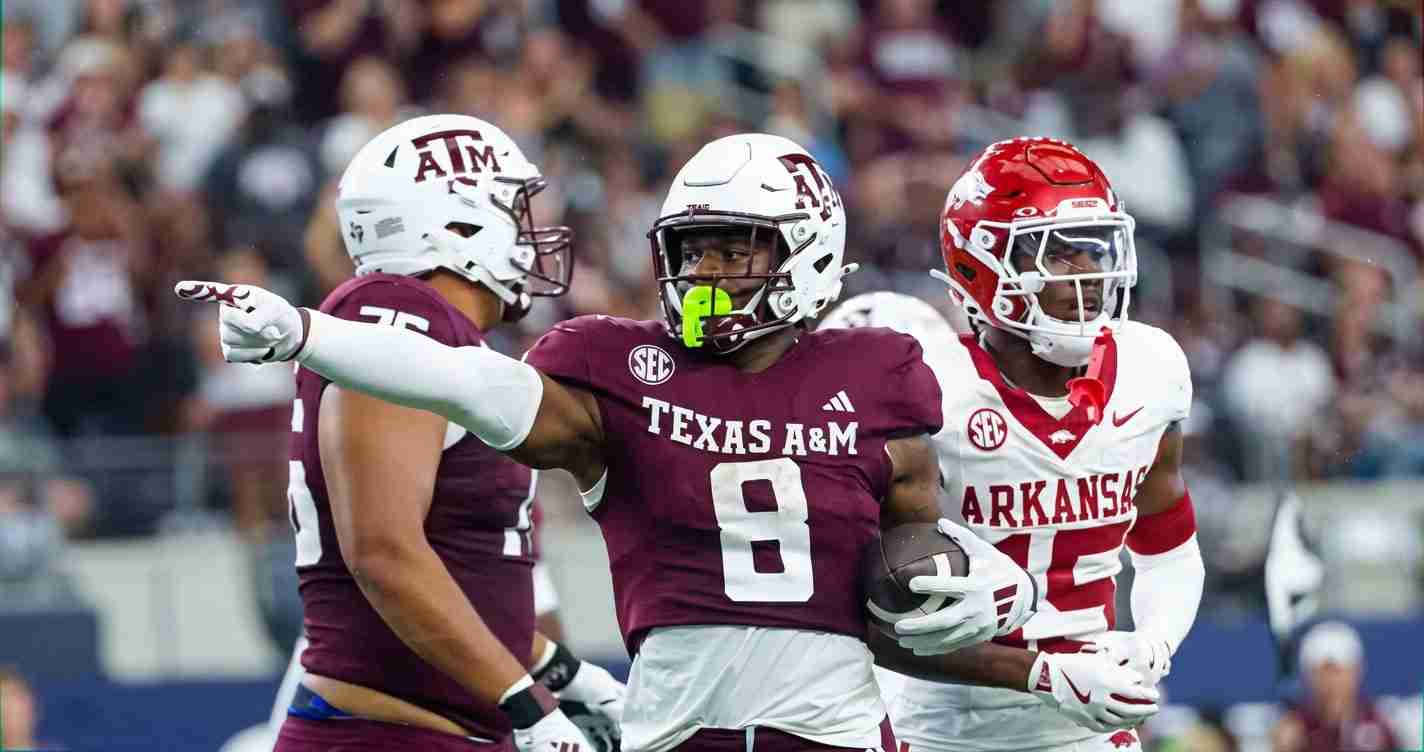
Le’Veon Moss emerged at Texas A&M as a productive SEC running back who combined burst, balance and vision when healthy. Over parts of four seasons he played in 32 games and finished with 1,767 rushing yards and 22 touchdowns. Scouts praised his traits and he earned 2024 All‑SEC Second Team honors while contributing to Texas A&M’s run to the 2025 College Football Playoff. (Texas A&M athletics)
Draft outlook and injuries
Moss’s tape suggested he could be an NFL backup or rotational starter, but two significant injuries — a torn ACL/MCL in 2024 and an ankle injury in 2025 — clouded his draft outlook. Film analysts and draft writers noted that without those injuries he may have been a late‑round pick. (The33rdTeam; Ari Meirov)
Signing, rookie minicamp and sudden retirement
Moss signed with the Miami Dolphins as an undrafted free agent on May 8, 2026. Miami’s offseason depth chart and the team’s rebuilding status made the Dolphins an attractive landing spot for a high‑upside UDFA looking to compete. Analysts suggested Moss could compete for a No. 2 role behind De’Von Achane or earn a practice‑squad spot if healthy.
He participated in rookie minicamp that weekend but, on May 12, the Dolphins placed Moss on the reserve/retired list. The team’s transaction report provided the roster change and a short career recap, but no explanation for the retirement. The abrupt timing — four days after signing — surprised fans and writers. (MiamiDolphins.com)
Injury history: the known risk
A torn ACL and MCL is a major injury for any athlete and can be especially difficult for a running back whose game relies on cutting, burst and lower‑body power. Moss’s 2025 ankle injury added another durability concern. Those injuries are the clearest, reportable facts and help explain why he slipped to undrafted status despite strong tape in healthy stretches. (Texas A&M athletics; Heavy.com)
Media framing and expert reaction
Coverage has emphasized two themes: medical concerns and the growing role of NIL. Team and beat outlets focused on the medical side, noting that Miami lost a potentially valuable, low‑cost option. Independent analysts and film scouts emphasized that Moss’s tape shows NFL traits but that injuries were the central reason he was not drafted. (MiamiDolphins.com; The33rdTeam)
The NIL factor: context and limits of the argument
Discussion of NIL’s role is speculative but grounded in broader trends. Before NIL, college athletes had little legal path to monetize their name and likeness. Now, players at high‑profile schools can sign sponsorships and build businesses that create meaningful income while still in school.
For marginal pro prospects, those earnings can change the cost‑benefit analysis. A player facing serious injuries may decide the uncertain path of an undrafted NFL hopeful is not worth the health risks — especially with some financial cushion from college. However, in Moss’s case there is no public accounting of his NIL income, so the NIL argument remains an educated hypothesis rather than a documented fact. (Heavy.com; Miami Herald)
Contract money and returning guarantees
Local reporting indicates Moss’s UDFA deal included about $258,000 in guarantees. That would normally incentivize staying, but because he retired almost immediately, reporting suggests he may have to return most or all of that guaranteed money to the Dolphins. Miami Herald reporter Barry Jackson flagged that the retirement could trigger offsets or repayments under contract terms, complicating a simple “he got paid and walked” narrative. (Miami Herald)
What Miami was offering — and what the team loses
For the Dolphins, Moss represented a low‑cost, high‑upside addition. Miami needed backfield depth and was a plausible place for an undrafted player to earn a spot. Moss’s sudden exit removes one candidate from a competitive RB room and underscores how teams must adapt quickly in the volatile UDFA market. (MiamiDolphins.com)
What we know, and what we don’t
- Confirmed: Moss retired and was placed on reserve/retired four days after signing; he has a notable injury history; his UDFA guarantee has been reported at roughly $258,000 and may be subject to return. (MiamiDolphins.com; Miami Herald)
- Unconfirmed/speculative: the precise role NIL earnings played in his decision; private medical details beyond publicly reported injuries; whether personal priorities or off‑field opportunities influenced his choice. No public statement from Moss or the Dolphins has clarified these points.
Sources and reporting
This article draws on the Dolphins’ official transaction reporting and team site, reporting from the Miami Herald (Barry Jackson), coverage and analysis from Heavy.com and The 33rd Team / Ari Meirov, and Texas A&M athletic records. Readers can consult: MiamiDolphins.com; Miami Herald; Heavy.com; The33rdTeam and Ari Meirov’s updates; Texas A&M athletics.
Implications for Fresno, California
Economic impact: Fresno’s economy is not directly affected by one player’s retirement, but the local sports ecosystem — youth leagues, high school programs, college recruiting and sports retail — is tied into a national pipeline. Stories like Moss’s can influence how young players and families think about job security and financial choices tied to football careers.
Political consequences: The Moss case feeds into broader state and national discussions about college athlete compensation and welfare. In Fresno and the Central Valley, where many families prioritize education and stable careers, this example may bolster moderate support for policies emphasizing athlete pay protections and long‑term health safeguards.
Social effects: Local players could view Moss’s decision as validation for weighing long‑term health, education and off‑field earnings against the uncertain grind of pro football. Coaches and parents may use the case to encourage planning beyond athletics, including financial literacy and career development.
Cultural relevance & practical applications: The story highlights a cultural shift: being a standout college player no longer guarantees a single path to success. Local programs can use this moment to expand counseling on injury risk, NIL knowledge, contract basics and post‑sports careers, and community leaders could host workshops on financial planning for athletes.
“Moss’s case underscores how medical risk, contractual nuance and changing college economics intersect — producing decisions that may not fit old assumptions about the pro pathway.”