Top Michigan education official’s struggle to name “how many genders” sparks online firestorm, reopening debate over Michigan sex education standards
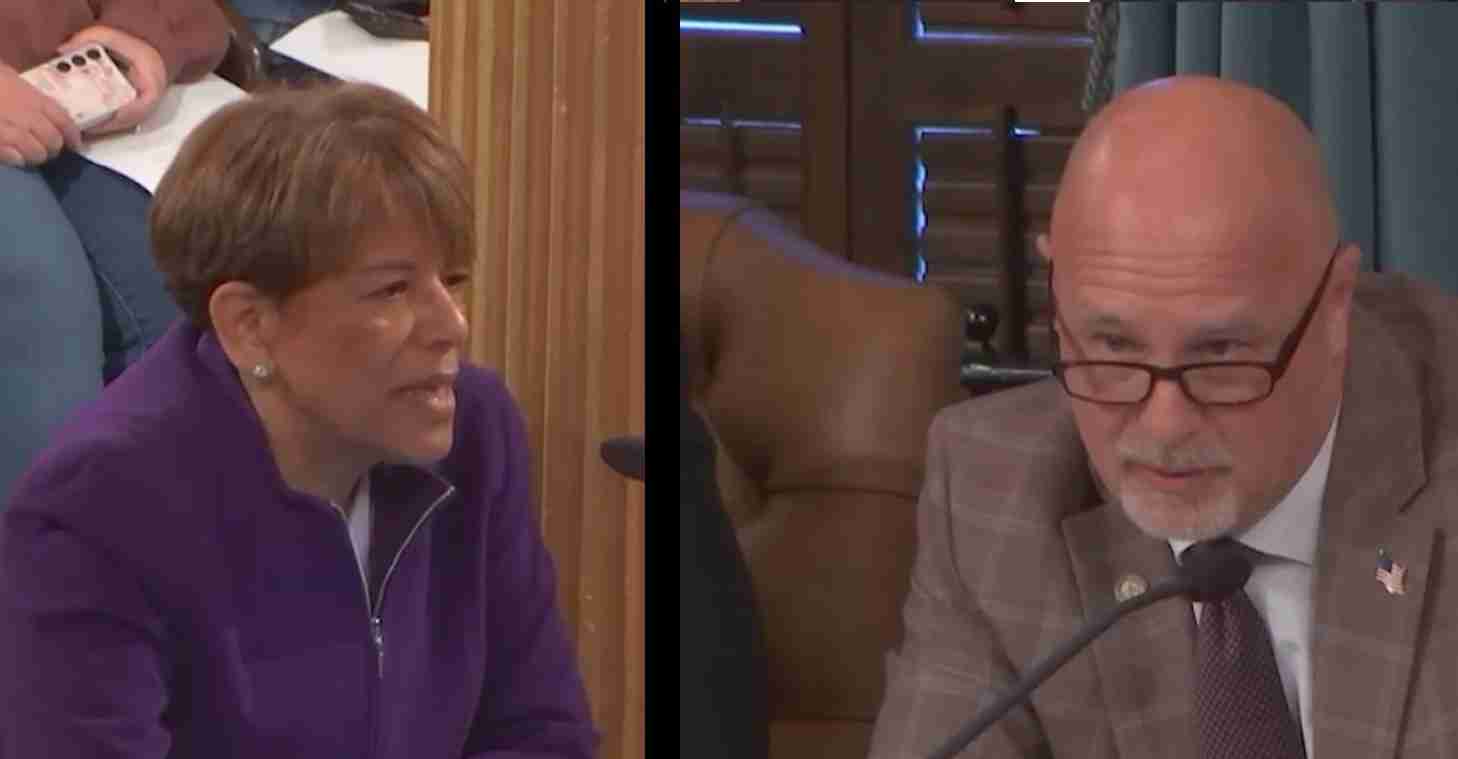
A viral clip of Michigan education official Dr. Sue Carnell struggling to name how many genders exist during an Oct. 28 hearing sparked heavy conservative backlash online, intensifying debate over Michigan’s adopted health and sex education standards and parental rights.
- Who: Dr. Sue Carnell, Chief Deputy Superintendent, Michigan Department of Education, and Rep. Jay DeBoyer.
- What: Carnell declined to give a single number when asked how many genders exist at an Oct. 28 hearing; a clipped exchange went viral and drew criticism online (viral clip).
- Context: The exchange surfaced amid adoption of updated sex-ed guidance in Michigan that recommends teaching gender identity as guidance, not mandates (updated standards).
- Policy status: The standards are advisory; local districts set curricula and parents can opt children out (Bridge Michigan, Detroit Free Press).
What happened at the hearing
During an Oct. 28 legislative hearing, Rep. Jay DeBoyer asked Dr. Sue Carnell to name how many genders exist. Carnell responded that “different people have different beliefs on that,” emphasizing the Michigan Department of Education’s focus on respect and inclusivity rather than a single numeric answer.
The short exchange was recorded, clipped and posted widely; the clip drew millions of views after amplification by conservative accounts and media outlets. Commentators including Tudor Dixon and Roger Severino publicly criticized Carnell and the Michigan Department of Education, saying the response illustrated broader concerns about the department’s approach to schools.
Why the moment matters now
The viral exchange coincided with Michigan’s State Board of Education vote in November 2025 to adopt updated health and sex education standards. The guidelines recommend schools cover gender identity, gender expression and sexual orientation in an age-appropriate way and clarify terms such as biological sex and gender identity (Bridge Michigan, WWMT).
Supporters say the guidance helps students understand identity and protects transgender youth; opponents call it ideological and worry about parental rights. MDE officials, including Carnell, stress the standards are guidance only, with local school boards deciding curricula and parents retaining opt-out rights (Detroit Free Press).
Public comment and political fallout
The public comment period before adoption showed a divided response: MDE data cited more than twice as many written survey respondents opposed the update (924 opposed vs. 414 in favor), while email comments were more supportive (1,141 supportive vs. 896 against), figures opponents used to argue the board ignored public will (public comment data).
The viral clip propelled momentum for lawmakers seeking oversight. State legislators issued subpoenas for internal MDE communications about guideline development (subpoena motion), and some Republican lawmakers have called for further hearings. Supporters of the standards say much of the outrage is political theater designed to mischaracterize guidance.
How different groups view the standards
Supporters: Parents of transgender students, LGBTQ+ advocates and some educators argue inclusive health education is needed for student safety, to reduce bullying and help students navigate identity issues. They cite state civil-rights changes that include gender identity as justification for clear, age-appropriate instruction (Bridge Michigan).
Opponents: Some parents, faith leaders and conservative lawmakers say the guidelines introduce controversial ideas into classrooms and undermine parental control. Critics have organized petitions and demanded reconsideration or withdrawal of the guidance (Michigan Capitol Confidential).
The role of social media and political strategy
The “how many genders” question has become a common attack line in national education culture fights. Short clips of officials giving nuanced answers are often repackaged as evidence of confusion or bias; scholars say the tactic seeks viral moments that force quick public judgment and deepen political divides on school policy (viral amplification).
Legal and practical limits of the standards
Despite the uproar, the updated Michigan sex education standards are nonbinding guidance. Local districts retain authority to adopt, modify or ignore the guidelines. MDE emphasizes opt-out policies and age-appropriate content, but disputes over local adoption could spark school board battles and potential litigation (Bridge Michigan, Detroit Free Press).
Implications for Fresno, California
Economic impact: Fresno districts could incur costs tied to local debates over health and sex education if the community pursues contested curricula. Vendors and trainers may see increased demand as districts weigh updates (Bridge Michigan).
Political consequences: The viral Carnell clip shows how education debates can energize school board races and attract outside groups focused on parental rights, sharpening campaign messaging and civic engagement in Fresno.
Social effects: Fresno’s diverse communities may experience intensified local tensions between families seeking inclusive curricula and those prioritizing age-appropriate boundaries. Schools may see higher demand for clarity on opt-out procedures and resources for transgender or gender-nonconforming students.
Practical applications for families and schools
Fresno parents should check district websites for sex education opt-out policies and class materials. School boards can hold public sessions explaining curriculum choices and opt-out rights. Educators may need training on age-appropriate presentation and on responding to parental concerns without provoking viral controversies.
Districts should prepare communications that clarify the difference between advisory guidance in other states—such as Michigan’s—and California law and standards, and create protocols for transparent community engagement.
Reporting note
The viral clip of Dr. Sue Carnell circulated widely on platforms including X and was amplified by accounts known for conservative commentary, contributing to rapid spread and public reaction (Fox News coverage).
Reporting sources and further reading
- Top Michigan official sparks online firestorm when asked to name number of genders: ‘Beyond embarrassing’ — Fox News
- Michigan adopts updated sex education standards after contentious meeting — Bridge Michigan
- Michigan lawmakers, education officials clash over new sex-ed draft — Michigan Capitol Confidential
- Michigan sex education standards changes — inclusivity, gender identity topics in schools — WWMT
- State Board of Ed approves new health and sex education standards — Detroit Free Press
- Motion to subpoena Michigan Department of Education granted — GOP House post
(Reporting from Times Media Service)