TSA will charge a $45 identity‑verification fee starting Feb. 1, 2026 — what California flyers need to know
Starting Feb. 1, 2026, adult travelers without a REAL ID must pay $45 for TSA’s ConfirmID manual identity‑verification attempt at airport security; payment is required in advance and does not guarantee successful verification or boarding.
Key takeaways
- $45 fee: Effective Feb. 1, 2026, adults 18+ without a REAL ID or other approved ID must prepay $45 for a TSA ConfirmID attempt via Pay.gov.
- Attempt, not assurance: The fee buys a manual verification attempt; verification can fail and airlines may still deny boarding (per Travel.DOD.MIL).
- Alternatives exist: Bring a U.S. passport, passport card, DHS Trusted Traveler card, Enhanced Driver’s License or DoD ID to avoid the fee.
What is TSA ConfirmID and how the $45 payment works
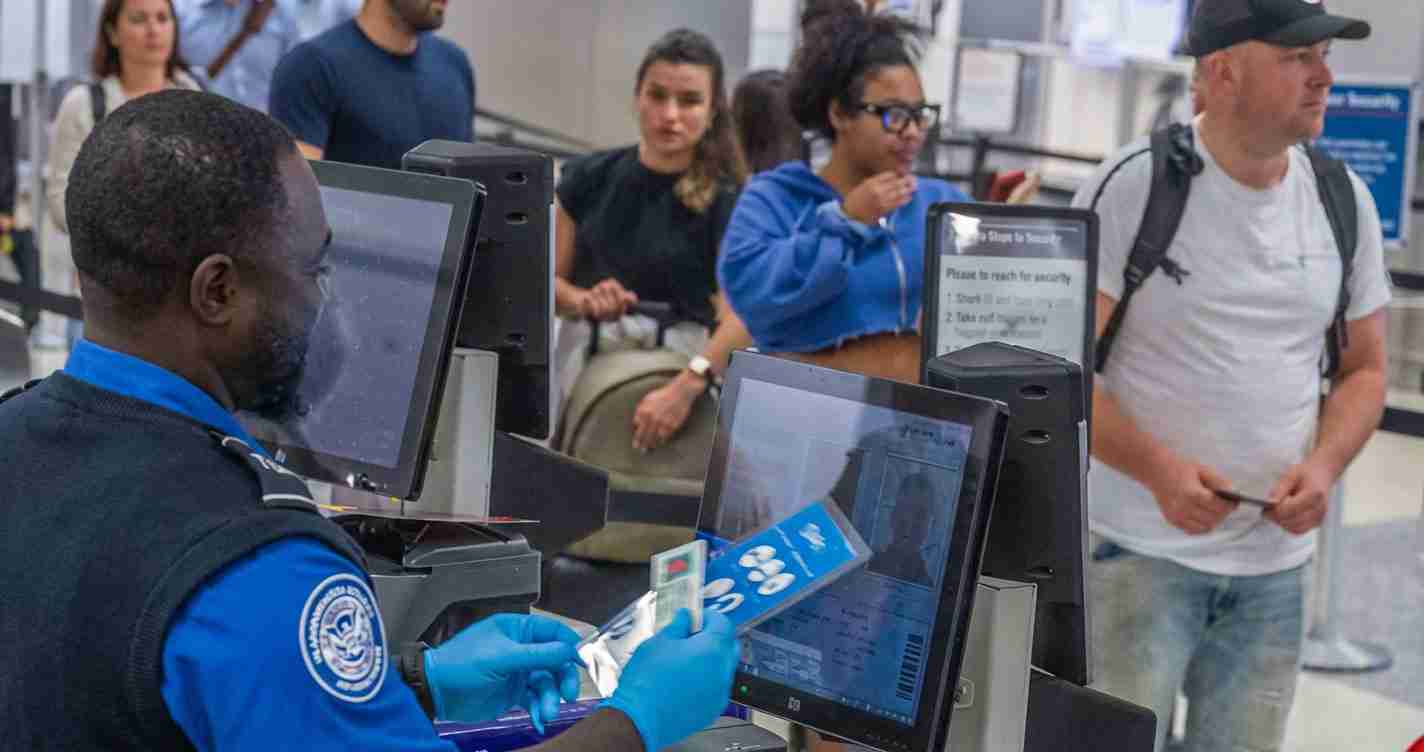
TSA ConfirmID is a digital pathway for verifying a traveler’s identity when they arrive at the checkpoint without an approved ID. Travelers complete a form and pay $45 on Pay.gov, providing their legal name and a selected travel start date.
After payment the traveler receives an electronic or printed receipt to present at security. The payment is tied to an individual and valid for a 10‑day window beginning on the travel start date chosen at purchase; travel outside that window requires a new payment.
Note: TSA says the fee covers extra screening time, staffing and digital identity‑verification systems, but a successful verification is not guaranteed and travelers could still be denied boarding.
Who will be affected and key limits
- Age and flight type: Applies to travelers 18 and older on U.S. domestic commercial flights who present no approved ID. Children under 18 generally do not need ID for domestic travel, though airlines may have separate policies for unaccompanied minors.
- One payment per traveler: Each adult must pay individually. The fee is nontransferable and nonrefundable and expires after the selected 10‑day travel window.
- Official travel & fraud: The fee is not reimbursable for military official travel or civilian official duty. Providing false information can carry federal penalties.
Acceptable ID and REAL ID alternatives
To avoid the fee, travelers should bring any federally accepted ID. Acceptable options include:
- U.S. passport or passport card (passport cards are valid for domestic air travel) — see Metro Airport summary.
- DHS Trusted Traveler cards such as Global Entry, NEXUS, SENTRI or FAST (Travel.DOD.MIL).
- Enhanced Driver’s Licenses (where issued).
- U.S. Department of Defense IDs, including Common Access Cards.
In California, REAL ID‑compliant driver’s licenses display a gold bear with a star in the upper right corner. If your license lacks that symbol it will not be accepted as a REAL ID at airport checkpoints. Travelers unsure about their license can check the California DMV or the TSA for guidance.
How Californians can avoid the fee
- Get a REAL ID: Apply at a California DMV location well before travel; verify required documents and appointments at California DMV.
- Use a passport or passport card: One-time solution for frequent travelers (Metro Airport summary).
- Carry other accepted IDs: Trusted Traveler cards, enhanced licenses, or DoD IDs also avoid the fee.
- Prepay ConfirmID only if necessary: Purchase via Pay.gov, remember the 10‑day validity and that the fee only buys an attempt.
- Check with your airline: Arrive early and confirm any airline-specific ID or boarding policies.
Questions, limitations and what to expect at the checkpoint
TSA’s manual identity process can add time at security. Expect longer lines when a ConfirmID verification is requested. The agency emphasizes the payment covers added resources and technology, but verification may still fail, potentially resulting in denied boarding.
For the ConfirmID payment and form use the official Pay.gov page. For official TSA guidance on identification requirements and alternatives, visit TSA.gov.
Implications for Fresno, California
Economic impact
A $45 ConfirmID fee could add out‑of‑pocket costs for Fresno residents who fly for work, family or leisure. For frequent flyers or families, the fee can accumulate. Low‑income residents without passports or REAL IDs may face increased travel costs.
Political consequences
Local leaders and state lawmakers may face pressure to accelerate REAL ID enrollment and outreach. Fresno officials could see constituent complaints and calls for expanded DMV access, mobile enrollment events, or assistance programs for low‑income applicants.
Social effects
Residents — including recent immigrants, elderly people, or those using older licenses — may not realize their ID lacks REAL ID status until the checkpoint, causing missed flights and stress. Community organizations may need to expand education and enrollment support.
Cultural relevance
Fresno’s diverse population often travels to maintain family and cultural ties across the U.S. and abroad. Ensuring widespread knowledge of TSA ID requirements and alternatives (like passports) will help reduce travel friction and preserve connections.
Practical tips for Fresno travelers
- Check your license now: Look for the gold bear with a star; if absent, plan to apply for REAL ID well before Feb. 1, 2026 (California DMV).
- Consider a passport: A passport or passport card avoids recurring checkpoint worries (Metro Airport summary).
- Use local resources: Check Fresno County or city offices, community centers and libraries for DMV outreach or mobile REAL ID events.
- If you must use ConfirmID: Prepay via Pay.gov, keep the receipt, and respect the 10‑day validity window.
Sources and official links
Official announcements and guidance referenced in this article:
- Travel.DOD.MIL — Department of Defense summary of TSA ConfirmID policy
- Pay.gov — TSA ConfirmID payment form and instructions
- Metro Airport summary — summary of acceptable IDs and implications
- California DMV — REAL ID application and document requirements
- TSA.gov — official TSA guidance on identification requirements