Route 66 at 100: How the “Mother Road” Became America’s Great RV Adventure — and What Fresno Travelers Should Know
Celebrating its 1926 founding, U.S. Route 66 marks 100 years in 2026, tracing 2,448 miles from Chicago to Santa Monica and offering a mix of history, roadside culture, and RV-friendly travel opportunities for Fresno-area visitors.
- Centennial year: 2026 marks 100 years since Route 66’s 1926 establishment and will bring events and higher visitor activity.
- RV advantage: An RV opens access to small towns, original alignments and on-route lodging that many hotels miss.
- Plan ahead: Full coast‑to‑coast trips typically take 2–3 weeks; spring and fall are ideal, and centennial dates may require early bookings.
Route 66 history: from patchwork roads to the Mother Road
Route 66 did not begin as a single purpose-built highway. It was formed by linking existing local and state roads into a diagonal corridor connecting the Midwest to the Pacific. Promoters like Cyrus Avery of Tulsa and other regional leaders advocated for a unified route to move goods and people westward; the number and routing were settled in 1926 and by 1938 the corridor was largely paved and usable year‑round.
“Mother Road” — the phrase John Steinbeck used in The Grapes of Wrath — helped cement Route 66 as a symbol of migration and hope.
Growth, decline and preservation
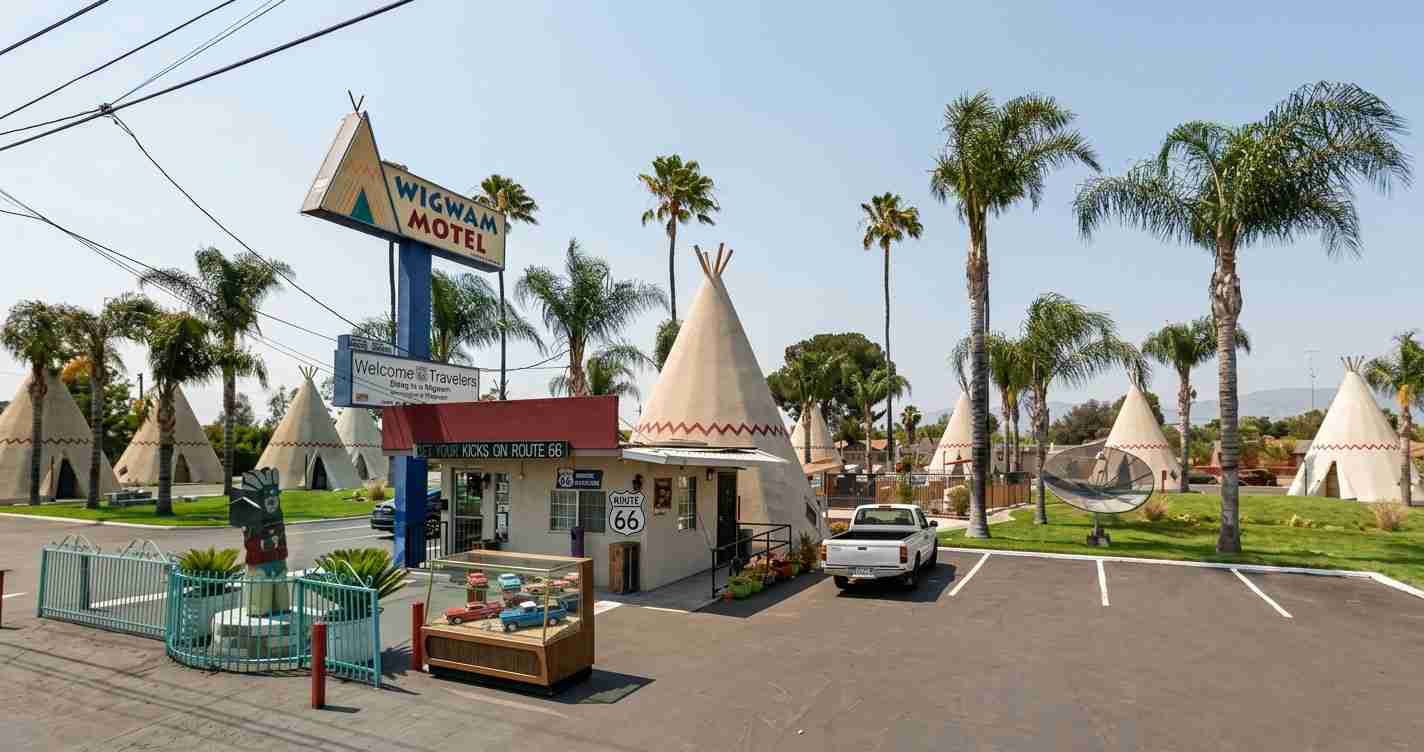
Postwar boom: After World War II, Route 66 fueled a roadside economy of motels, diners, service stations and neon. The 1956 Federal‑Aid Highway Act and the Interstate system later bypassed many Route 66 towns, and by 1985 the highway was decommissioned as a federal route. Since then, local and state groups — and the National Park Service — have worked to preserve segments as Historic Route 66, with museums, restored motels and festivals keeping the road alive.
Why 2026 matters: Route 66 Centennial 2026
The centennial is more than an anniversary: it’s a moment for communities and preservationists to spotlight history and culture. Expect an increase in parades, car shows, living‑history events and restoration publicity, especially around the formal date of November 11, 2026. Travelers should plan for higher demand and check local calendars early.
Why an RV changes the trip
An RV provides mobility and lodging flexibility. Many Route 66 towns sit miles from large hotels; an RV lets travelers stop close to original alignments, carry cooking and sleeping facilities, and use campgrounds that range from full‑service parks to primitive pull‑outs. Rental platforms let non‑owners test various vehicle styles without long‑term commitment.
How long to plan, and when to go
For a full coast‑to‑coast Route 66 experience, build a 2–3 week itinerary to allow museums, detours and unplanned roadside discoveries. State segments work well for shorter trips — one week per state segment can be memorable. Aim for spring (April–May) or fall (September–October) for milder weather and thinner crowds; summer is family friendly but expect heat in parts of Texas and Arizona.
Practical travel tips for a successful RV Route 66 trip
- Plan pacing: Build rest days and allow time for roadside stops; Route 66 rewards slow travel.
- Check vehicle and route: Some original alignments are narrow or rough — verify drivability before you go.
- Reserve early: Book campsites and rentals well ahead of centennial events.
- Know local hours: Small‑town museums and shops often follow seasonal or mid‑week schedules.
- Carry backups: Bring spare tires, extra water and paper maps for rural stretches with limited phone coverage.
- Use local tourism offices: Town chambers offer current event calendars and parking or camping tips.
Implications for Fresno, California
Economic opportunity: Fresno sits roughly 200 miles inland from Santa Monica and can serve as a gateway for travelers combining Route 66 with the Sierra Nevada, Central Valley agri‑tourism, or trips to Los Angeles. Expect potential boosts for hotels, RV parks and food and wine businesses.
Regional planning: Fresno tourism offices and chambers should track centennial events and promote the city as a convenient hub for RV travelers who want to combine historic driving with Yosemite, Sequoia or local attractions. Consider partnerships with RV rental companies and temporary parking or information kiosks during peak centennial months.
Community opportunities: Small businesses can attract visitors with pop‑ups, photo ops and vehicle‑friendly events that offer authentic local experiences to Route 66 travelers.
Practical advice for Fresno-based travelers
- Factor travel time and coastal traffic if starting/ending near Los Angeles or Santa Monica.
- Combine Route 66 with regional highlights such as Yosemite or Sequoia for nature extensions.
- Book RV rentals and campsites early for centennial dates and monitor local event listings for traffic impacts.
Sources for planning and history
These sources provide maps, timelines and event information useful for travelers and reporters:
- U.S. Department of Transportation, “Back in Time: Route 66 — The Mother Road”
- National Park Service, “Route 66 (1926–1945)”
- Route 66 Centennial project
- Wikipedia overview: U.S. Route 66
- Additional historical summary
Reporting questions to follow
Local reporting can explore:
– Which Fresno-area RV parks are already promoting centennial bookings?
– Are local Chambers of Commerce coordinating with Route 66 groups?
– How will regional transportation agencies support increased RV traffic?
Tracking bookings, interviewing small businesses and profiling municipal plans will reveal how Fresno expects to welcome centennial road‑trippers.