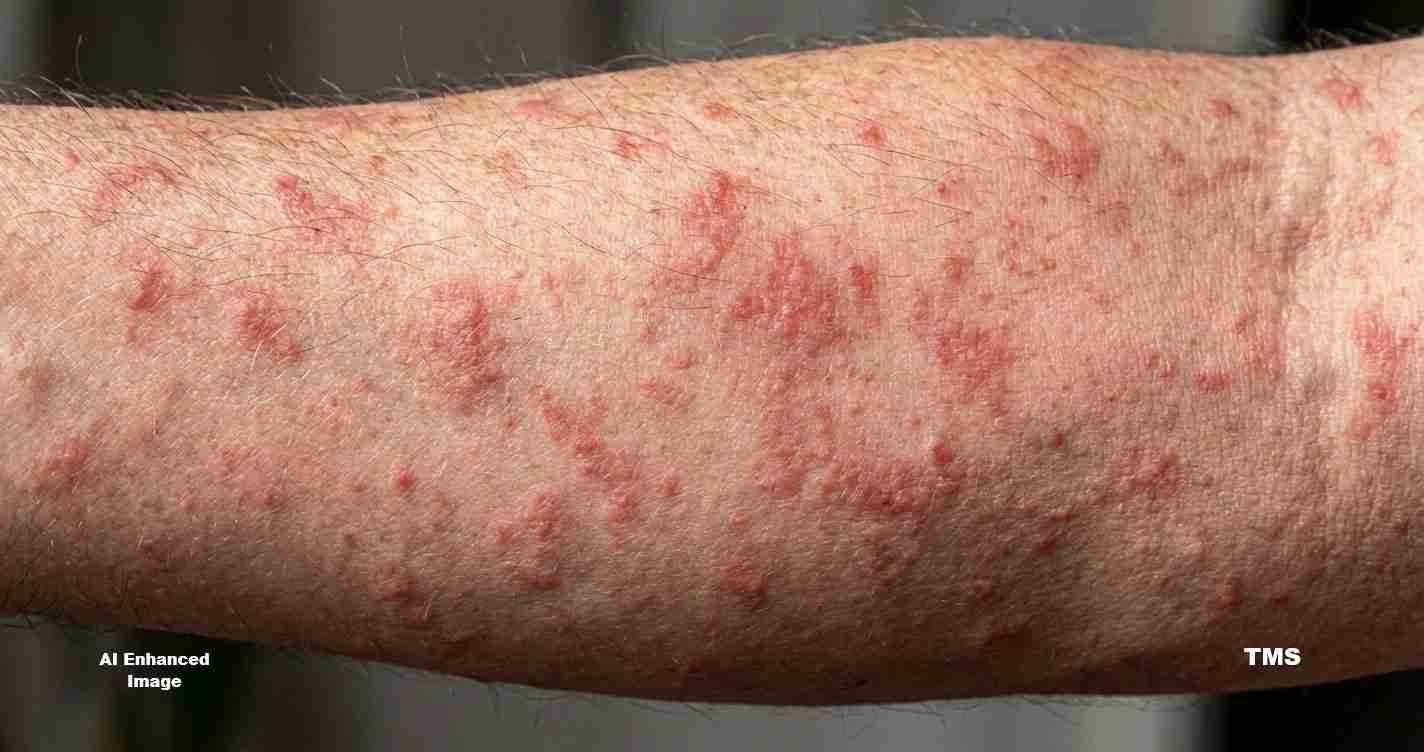
Shasta County measles outbreak adds to rising California cases as state urges vaccinations
Shasta County has confirmed its first measles outbreak in at least six years — eight linked cases as of Feb. 9, 2026 — largely among unvaccinated people, joining 17 statewide cases as California urges vaccination and vigilance.
- Eight linked cases in Shasta County — all unvaccinated or with unknown vaccination history; index patient identified Jan. 30, 2026 (CBS Sacramento).
- Seventeen confirmed statewide as of Feb. 9, 2026, with cases in Los Angeles, Orange, San Bernardino, Riverside, Napa and Shasta counties (California Department of Public Health).
- National surge: the U.S. reported 733 confirmed cases in 2026 across 20 states as of Feb. 5, after more than 2,200 cases in 2025 (CDC).
Shasta County outbreak: who was exposed and how officials responded
Health investigators say the eight confirmed cases in Shasta County stem from a single index patient identified on Jan. 30, 2026. Most secondary cases were close contacts who later tested positive. Public-health staff credited rapid contact tracing and cooperation for limiting spread and asked exposed residents to isolate before they became contagious (CBS Sacramento).
Public tracing identified local exposure sites in Redding:
- Ninja Coalition, 900 Dana Drive — Jan. 23, 2:30–5:20 p.m.
- Highland Neighborhood Park (capture-the-flag event) — Jan. 23, noon–4 p.m.
- Osaka Sushi, 1340 Churn Creek Rd. — Jan. 23, 6:30–10 p.m.
- Former CrossPointe Community Church gym (basketball), 2960 Hartnell Ave. — Jan. 24, 1:45–5 p.m.
- Costco, 4805 Bechelli Lane — Jan. 24, 6:30–9 p.m.
- Churn Creek HealthCare clinic, 3184 Churn Creek Road — Jan. 28, 1:45–5 p.m.
Officials emphasized that measles is highly contagious and can remain in the air for up to two hours after an infected person leaves an indoor space. Shasta County Public Health Director Katie Cassidy praised resident cooperation with isolation and contact tracing efforts (CBS Sacramento).
Statewide picture: where California stands
By Feb. 9, 2026, the California Department of Public Health (CDPH) reported 17 confirmed measles cases across multiple counties, including Los Angeles, Orange, San Bernardino, Riverside, Napa and Shasta. Some cases were travel-related; others were locally acquired. Napa recorded its first case in nearly 15 years, highlighting how immunity gaps can let measles resurface.
CDPH guidance for residents and providers: check vaccination records before international travel, ensure recommended MMR doses are current (two doses ≈ 97% effective), isolate suspected cases with airborne precautions, report suspected measles to local health departments immediately, and use PCR testing when available (CDPH Immunization — Measles; CDPH CAHAN alert).
National surge and what it means
The Shasta cluster is part of a broader national increase. The CDC logged 733 confirmed cases in 20 states as of early Feb. 2026, following more than 2,200 cases in 2025 — numbers not seen since measles was declared eliminated in the U.S. in 2000. Many outbreaks are concentrated in communities with low vaccination coverage.
“We are seeing the highest numbers of measles cases, outbreaks, hospitalizations and deaths in more than 30 years,” said Dr. Erica Pan, director of the California Department of Public Health, noting that low-vaccination pockets are driving much of the spread (CDPH).
Officials warned that ongoing outbreaks could threaten international recognition of measles elimination in the Americas. The scale of outbreaks elsewhere — for example, South Carolina’s large 2026 outbreak with more than 920 linked cases — underscores the speed of spread in undervaccinated populations (CDC).
Notable exposures
Statewide tracing also noted that two infectious people with measles visited Disneyland on Jan. 22 and Jan. 28. Travelers and visitors who were at Disneyland on those dates should review CDPH guidance and confirm immunity (California Department of Public Health).
Symptoms, risks and guidance for the public
Symptoms begin with high fever, cough, runny nose (coryza) and red, watery eyes, followed by a rash a few days later. Measles is contagious roughly four days before to four days after the rash appears. It can be severe in young children and pregnant people; unvaccinated exposed persons face an attack rate of about 90% (CDPH).
Vaccination recommendations (CDPH and CDC):
- Infants 6–11 months traveling internationally: one early MMR dose plus two routine doses after the first birthday (CDPH).
- Children 12 months and older: two doses of MMR, at least 28 days apart (CDPH Immunization — Measles).
- Adults born in 1957 or later without evidence of immunity: two doses of MMR, 28 days apart (CDPH CAHAN alert).
Health providers should use airborne isolation and N95 respirators for suspected cases, report suspicions immediately to local health departments, and prioritize PCR testing through public labs (CDPH).
Investigative questions raised by the outbreak
- Origin of the index case: Was there international travel or contact with an overseas visitor? CDPH and local investigators continue tracing travel histories (CBS Sacramento).
- Immunity gaps among exposed: How many people exposed at Redding locations remain unvaccinated or have unknown status? Local officials are locating exposed residents to offer vaccination or post-exposure prophylaxis (CBS Sacramento).
- Access and hesitancy: Are there local barriers to vaccination that need targeted outreach? High statewide kindergarten coverage is reassuring, but pockets of low uptake remain (CDPH Immunization).
Implications for Fresno, California
Economic impact: Fresno’s clinics, schools and businesses could face disruptions — temporary closures, increased sick leave, and higher demand for vaccinations and testing. Health providers should ensure vaccine supplies and staffing capacity (CDPH).
Political consequences: Outbreaks often prompt debate over vaccine policy and public-health authority. Local leaders may face pressure to review education, school-entry requirements and exemption policies; clear, nonpartisan communication is critical.
Social and cultural effects: Fresno’s diverse communities — including recent immigrants and multi-generational households — may lack documented immunity. Outreach in multiple languages, mobile clinics and partnerships with faith and community groups can help close gaps and reduce stigma (CDC).
Practical steps for residents: check MMR records with your doctor before travel or large gatherings; parents should confirm two-dose MMR schedules for children; adults born after 1957 without proof of immunity should consider two doses. Clinics and pharmacies should publicize MMR hours and post-exposure guidance (CDPH; CDC).
Sources and further reading
- CBS Sacramento: “Shasta County measles outbreak”
- California Department of Public Health (CAHAN alert): Increase of Measles in California
- CDPH Immunization — Measles information
- Centers for Disease Control and Prevention — Measles data and research
Reporting by Times Media Service.