Engine detaches, plane explodes after takeoff in Louisville; 14 dead as NTSB opens probe into UPS Flight 2976 disaster
A UPS Airlines McDonnell Douglas MD-11, Flight 2976, crashed shortly after departing Louisville Muhammad Ali International Airport, killing 14 people. An engine detached during takeoff, triggering a massive fire and a full NTSB investigation into the disaster.
Key takeaways
- Deadly crash: 14 people confirmed dead, including all three UPS crew members and at least one child; multiple on-the-ground victims reported.
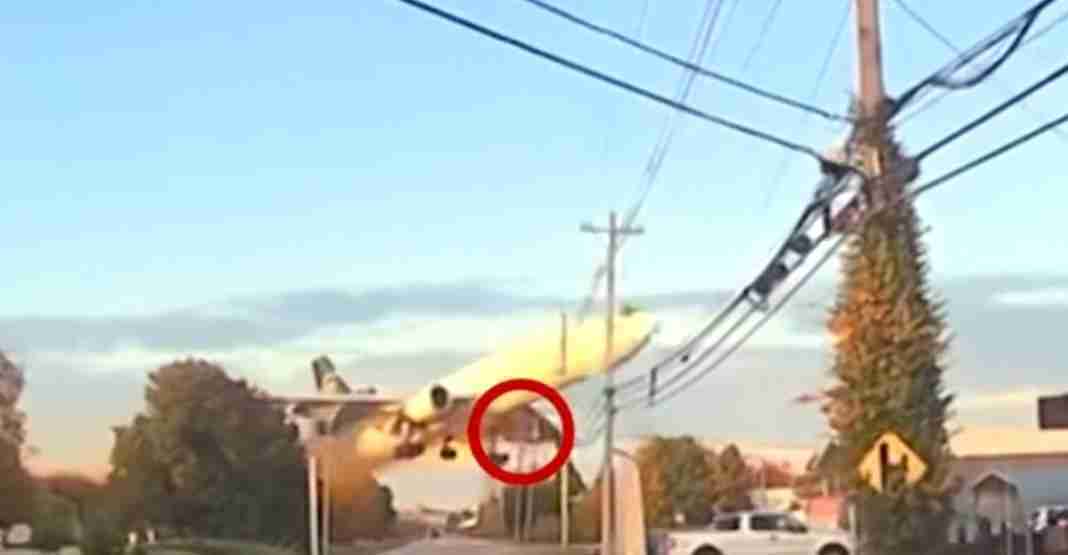
- Engine separation: Witness video and investigators show the left (No. 1) engine detached during the takeoff roll and was later found beside the runway (source: Wikipedia).
- Rapid loss of control: Cockpit bell repeated for ~25 seconds while crew attempted recovery before the aircraft veered left and struck structures.
- Investigation: The NTSB has opened a formal probe focusing on engine/wing separation, maintenance records, flight recorders and MD-11 safety factors.
What happened during takeoff
Sequence: Flight 2976 began its takeoff roll at about 5:13 p.m. EST bound for Honolulu. Video and eyewitness accounts show the left engine separating as the MD-11 lifted; the left wing subsequently appeared on fire and the jet rolled sharply to the left (source: Wikipedia).
Seconds after liftoff the aircraft struck the roof of a UPS warehouse, impacted fuel tanks and exploded. Debris was scattered across roughly half a mile; the wreckage extended into a semi-truck lot and an auto scrap yard, igniting multiple buildings and intense fires.
Cockpit alarms and communications
Alarms: The NTSB reported a repeating bell in the cockpit sounding for about 25 seconds while pilots attempted to regain control. Investigators are reviewing cockpit voice and flight data recorders as well as radio transmissions to reconstruct the crew actions and warnings in those critical seconds (source: Wikipedia).
“A repeating bell sounded in the cockpit for about 25 seconds as pilots tried to control the MD-11 before it veered left and crashed.”
The NTSB also noted severe radio interference on some cockpit communications. No full transcript or preliminary factual report had been released at the initial update; the 25‑second alarm and the loss of control frame the early investigative leads.
Human toll and rescue response
First responders arrived within minutes. Over 100 firefighters battled intense flames and conducted search-and-rescue operations into the night. Crews reported people trapped in damaged buildings; hospitals in Louisville received at least 15 patients, many treated and released.
Local response: Officials established a reunification center, coordinated shelter and emergency social services, and provided counseling and family support. The mayor mobilized city resources to assist with search efforts; area schools were closed the following day as authorities continued to account for people in the crash zone (source: Wikipedia).
Property and operational impacts
Multiple buildings near the airport were destroyed or damaged, including portions of a UPS facility. The aircraft’s landing gear remained extended when it struck structures, indicating loss of control very early in departure.
Operations: All airport operations were halted temporarily; a five-mile shelter-in-place order was issued and flights were suspended. UPS temporarily halted operations at its Louisville Worldport hub and issued a statement expressing sorrow and cooperation with investigators (source: UPS official statement on the accident).
Investigation scope and safety questions
Focus areas: The NTSB is leading the probe with early attention on why the left engine separated from the wing. Teams will examine maintenance records, the engine and wing structures, manufacturing history, potential pre‑existing defects or maintenance errors, aircraft systems, pilot actions, and any cargo factors (source: Wikipedia).
Because the MD-11 is an older wide‑body type, investigators will review prior MD-11 incidents and service bulletins. Analysis of flight data and cockpit voice recorders is expected to take weeks; final probable cause determinations could take much longer.
Historical context for UPS and air safety
This crash is the deadliest in UPS history and at least the third fatal accident for UPS Airlines. The outcome raises questions about cargo airline safety, maintenance oversight, and management of aging aircraft in heavy operations. Regulators and industry groups will monitor the NTSB findings closely; recommendations could prompt airworthiness directives or changes in maintenance practice.
Community effects in Louisville
Local leaders focused on assistance for affected families, reunification services, and counseling. The wreckage and fires caused significant disruption, temporary airport shutdowns, and business closures. Search teams worked into the night; city agencies coordinated emergency response and support.
Implications for Fresno, California
Economic impact: Fresno depends on air and ground logistics for agriculture and e-commerce. Disruption at a national hub like Louisville can slow package flow and delay time‑sensitive shipments; reroutes or capacity limits could raise costs and affect schedules.
- Political: Local policymakers may press for clearer contingency plans and oversight to protect supply chains.
- Social: Families and organizations relying on timely deliveries should plan for delays and verify contingency routing.
- Practical steps: Residents and businesses should monitor carrier notices, allow extra lead time for critical shipments, and confirm logistics plans with carriers and insurers.
Sources and links for reporting and follow-up
- Wikipedia summary of the crash and timeline
- UPS official statement on the accident
- National Transportation Safety Board (NTSB) investigation updates
Investigators on the ground in Louisville will continue to gather wreckage, analyze flight recorders and interview witnesses. As the NTSB MD‑11 teams work, technical findings and safety recommendations are expected to emerge that could reshape cargo-airline practices nationwide.