Seriously wounded U.S. airman climbs 7,000-foot ridge, hides in crevice and evades Iranian bounty-hunters for 36 hours before daring rescue
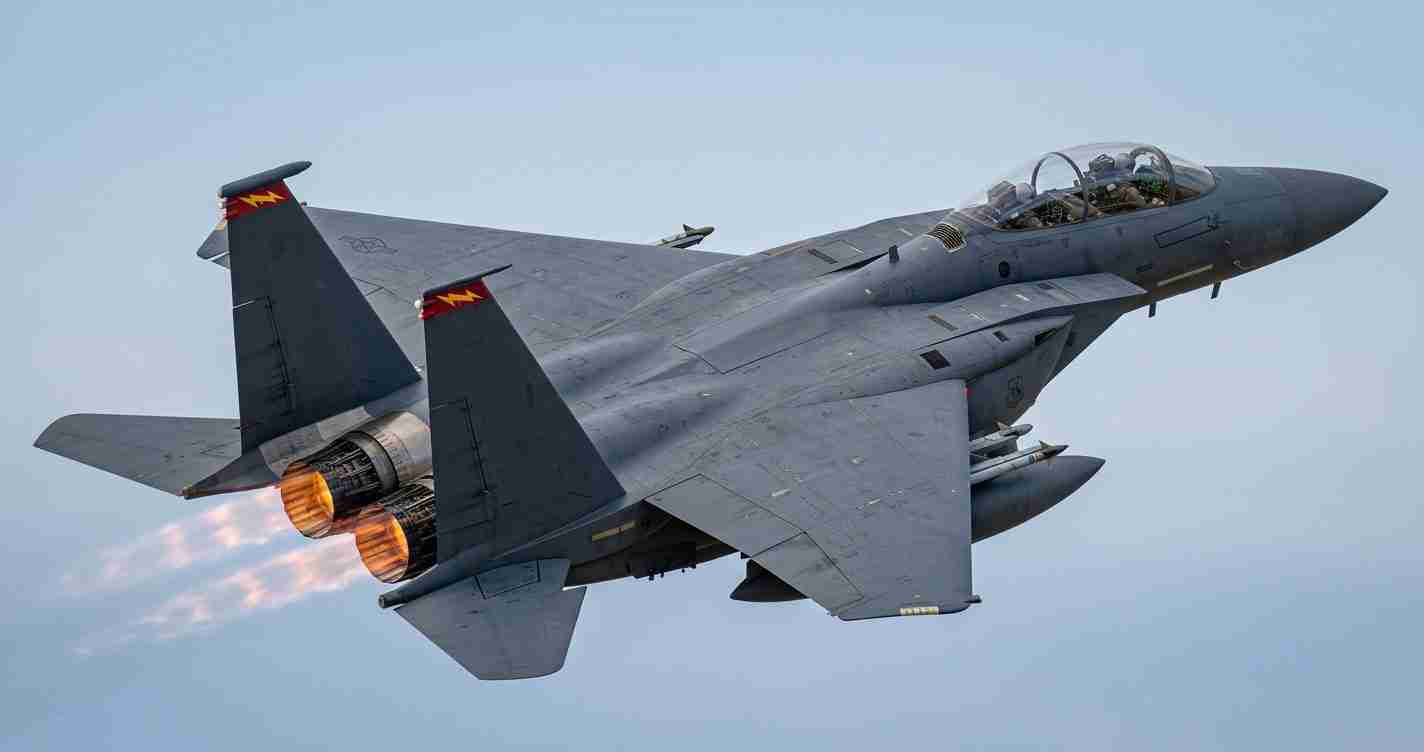
A severely wounded U.S. Air Force F-15E weapons system officer evaded capture for 36 hours in Iran’s Zagros Mountains, hiding in a crevice before a complex Special Operations rescue involving CIA tracking, drones, and elite units brought him to safety.
- Rescue after 36 hours: The unnamed colonel hid in a crevice at about 7,000 feet while evading capture following the Friday shootdown.
- Layered operation: CIA tracking, MQ‑9 Reaper drones, diversionary intelligence and ~100 Special Operations troops including SEAL Team 6 secured the extraction.
- Reported bounty and pursuit: Officials said a reported $60,000 bounty spurred locals and fighters to search; public reporting cites President Trump’s description.
- Primary public source: Account based largely on public statements and a Times Media Service video.
A wounded airman on the run
What happened: U.S. officials say the F-15E weapons system officer’s jet was shot down on Friday. The pilot was rescued hours earlier; the weapons officer — described as seriously wounded — climbed roughly 7,000 feet, found a crevice and remained hidden for about 36 hours amid steep, rocky terrain while evading hostile forces, according to U.S. officials and the Times Media Service video.
Tracking, radio signal and a simple message
U.S. officials say the wounded officer activated an emergency beacon early Sunday local time from the crevice. That beacon and related tracking data helped pinpoint his location. Before extraction he transmitted a brief radio message — reported as “God is good.” Defense Secretary Pete Hegseth later posted the same phrase on X. President Trump noted the phrasing publicly and compared it to a common Islamic exclamation in remarks summarized in media coverage (Times Media Service report).
CIA role and diversion tactics
Officials credited the CIA with confirming the airman’s location by tracking his equipment and said the agency helped craft a deception operation: planting false intelligence that suggested the airman had already been rescued and was being driven out of the country. That diversion aimed to draw hostile forces away from the true location and reduce risk to rescuers, according to U.S. accounts and the Times Media Service video.
A large, layered rescue operation
When command decided to move, the extraction was a daylight operation involving dozens of aircraft and MQ‑9 Reaper drones establishing a protective perimeter. Officials say strikes were used to keep hostile forces roughly two miles away from the airman’s position while ground teams moved in. Approximately 100 Special Operations personnel participated: SEAL Team 6 led the ground assault, with Delta Force and Army Rangers on standby. Accounts describe skirmishes between U.S. special operators and local tribesmen during the effort (Times Media Service coverage).
Complications and equipment losses
Officials acknowledged last‑minute complications: two aircraft south of Isfahan became disabled, forcing commanders to redirect three additional aircraft to extract stranded teams and to destroy vehicles to prevent enemy capture. During the earlier pilot rescue phase, U.S. forces reportedly faced incoming fire; accounts say an A‑10 pilot ejected and was later rescued, and two transport planes were reportedly destroyed. These details come from U.S. sources and the Times Media Service video.
Verification and limits of public information
U.S. officials have described the weapons system officer’s injuries as serious but have not released his name or detailed medical information. The Pentagon has not issued a full operational timeline. Much of the public account is drawn from high‑level briefings and political leaders’ statements summarized in media reporting; the consolidated public narrative is largely based on the Times Media Service report.
Context: U.S. special operations in hostile territory
Experts note search‑and‑rescue missions in hostile areas often combine intelligence, electronic tracking, aerial overwatch and special operations. The reported use of MQ‑9 Reapers to create a two‑mile protective perimeter and precision strikes to keep hostile forces away aligns with standard protocols designed to minimize risk to the survivor and recovery teams. The involvement of SEAL Team 6 and Delta Force underscores the complexity and high risk of such missions (Times Media Service video).
Reporting and source note
This article relies on public statements by U.S. officials and the Times Media Service coverage. Where possible, claims are attributed to the officials who made them; several operational details remain uncorroborated by independent sources at the time of publication.
Implications for Fresno, California
Economic impact: Fresno and the San Joaquin Valley have many residents tied to the military. A high‑profile rescue can increase demand for veteran support services, medical and mental‑health resources, and community fundraising for affected families.
Political consequences: The mission may sharpen local debate about foreign policy, use of force and congressional oversight. Elected officials in the Central Valley could face constituent questions about intelligence, risk and accountability.
Social effects: Fresno’s military and veteran community may feel pride and concern; community groups, churches and veteran organizations often mobilize support after such incidents.
Cultural relevance & practical applications: The story’s themes of survival, resilience and faith may resonate locally. First responders and health providers should prepare to support returning service members with serious injuries, and local media and officials are urged to rely on verified sources when reporting.
Keywords used in public accounts include “US Airman rescued Iran”, “Zagros Mountains evasion” and “SEAL Team 6 Iran rescue”. Local newsrooms and community leaders should prioritize verified sources when sharing updates; the consolidated public account is available via the Times Media Service video.
Reporting based on public statements from U.S. officials and the Times Media Service coverage.